
Instinctive Drives® assessment for teams
Understand teammates’ different needs for detail, structure, and flexibility. Cloverleaf uses Instinctive Drives® results to help them set expectations, give feedback, and work through disagreements.


THE CLOVERLEAF DIFFERENCE
Why use Instinctive Drives® with Cloverleaf
Help employees understand each other’s working needs and apply their results through shared team insights and personalized coaching.

Connect insights
Combine Instinctive Drives® with other assessment results to understand each person’s needs, communication preferences, and motivations.

Coach relationships
Help managers and teammates prepare for feedback, clarify expectations, and work through conflict with coaching tailored to each person’s Instinctive Drives®.

See team patterns
View teammates’ results together to discuss different needs for detail, structure, and flexibility when planning work.

In the flow of work
Personalized coaching to help teammates apply their strengths when giving feedback, sharing responsibilities, and working through conflict.


It's incredible how this platform understands my work style and motivates me to strive for better collaboration and personal growth."
- LIEW Sookmun,
Employer Branding Manager, APAC, BASF


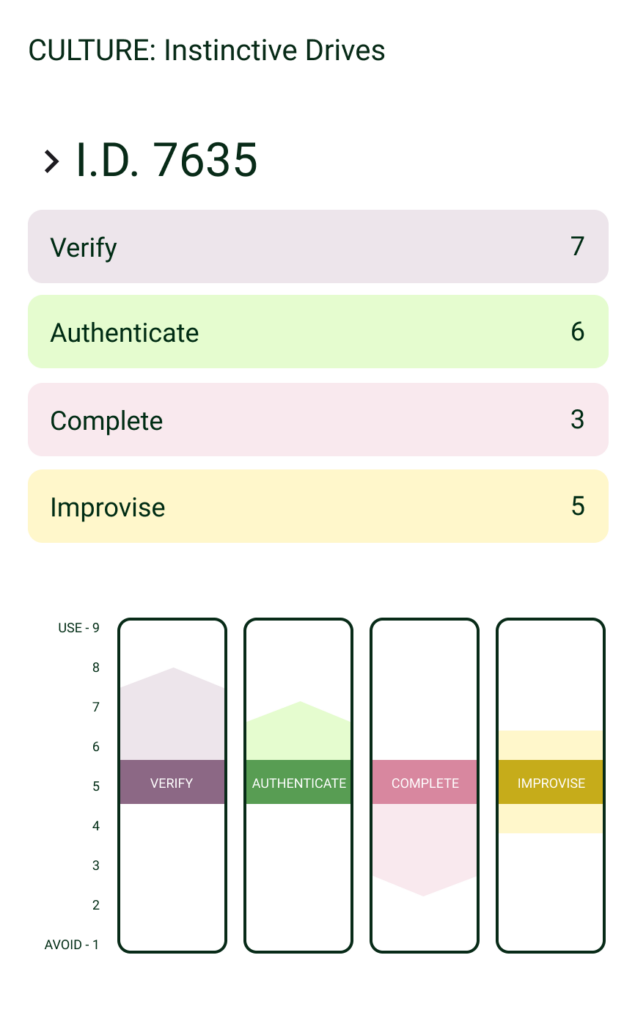
Verify
The need to question, check details, and understand why, or to accept information and move ahead without extensive checking.

Authenticate
What feels most motivating: tangible outcomes and direct experience, or the ideas, feelings, and possibilities behind them.

Complete
The need for structure and coordination, or the freedom to shift focus and approach tasks as they arise.

Improve
The pull toward new possibilities and finding a way forward, or toward proven methods, clear boundaries, and greater certainty.

USE (6–9)
A natural pull toward using this drive. For Verify, that means questioning, checking, and understanding why.

NEUTRAL (5)
No strong pull toward using or avoiding this drive. Either approach may fit, depending on the situation.

AVOID (1–4)
A natural pull toward the opposite approach. For Verify, that means accepting information without needing to check every detail.
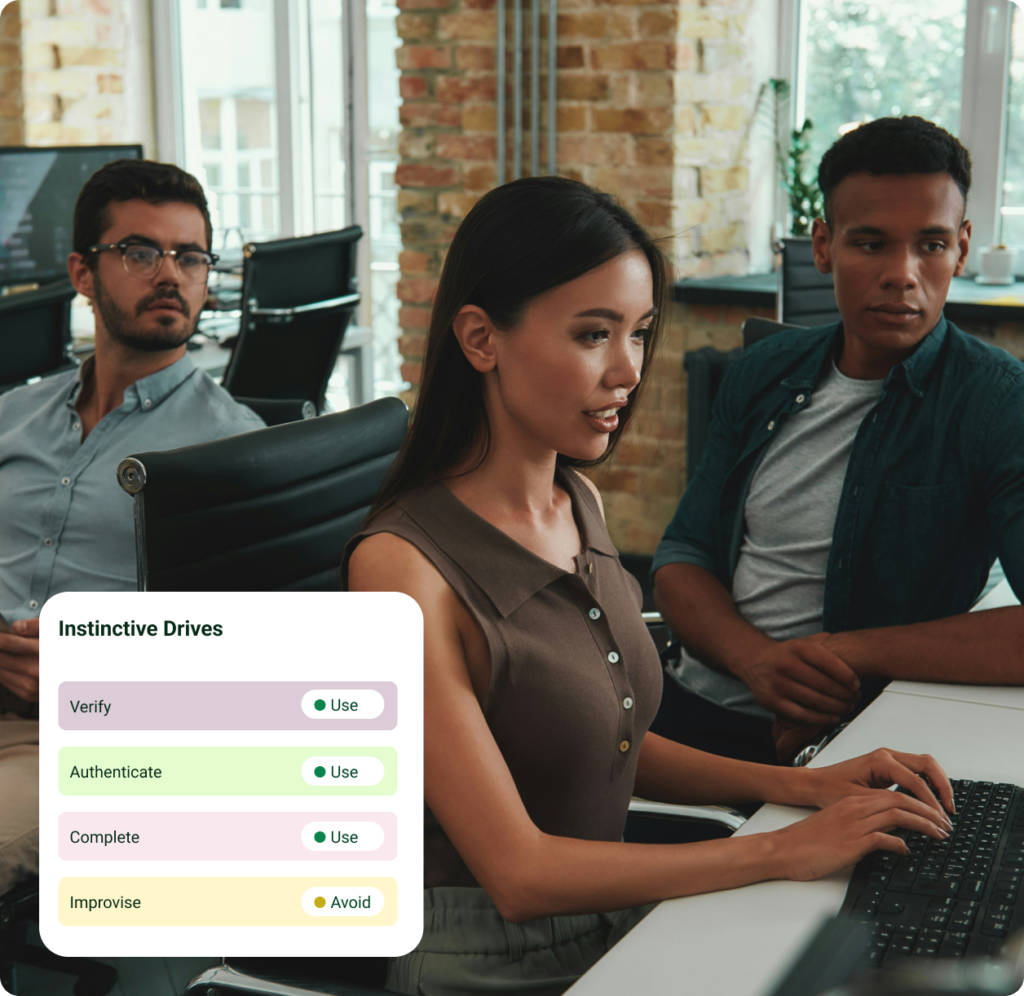
Why Instinctive Drives® matters for teams
Instinctive Drives® gives teams a shared way to discuss what they need from one another when planning work, communicating, and handling pressure.


Cloverleaf allows our leaders, our directors, our vice presidents… to truly know what drives and motivates our people."
- Kevin Mills,
Vice President, Organizational Development

Put Instinctive Drives® insights into practice
The research behind Instinctive Drives®
A 2005 report from the University of Western Sydney, now Western Sydney University, examined the reliability and validity of the Instinctive Drives® questionnaire. Researchers also explored how its results relate to personality, leadership style, and general health.
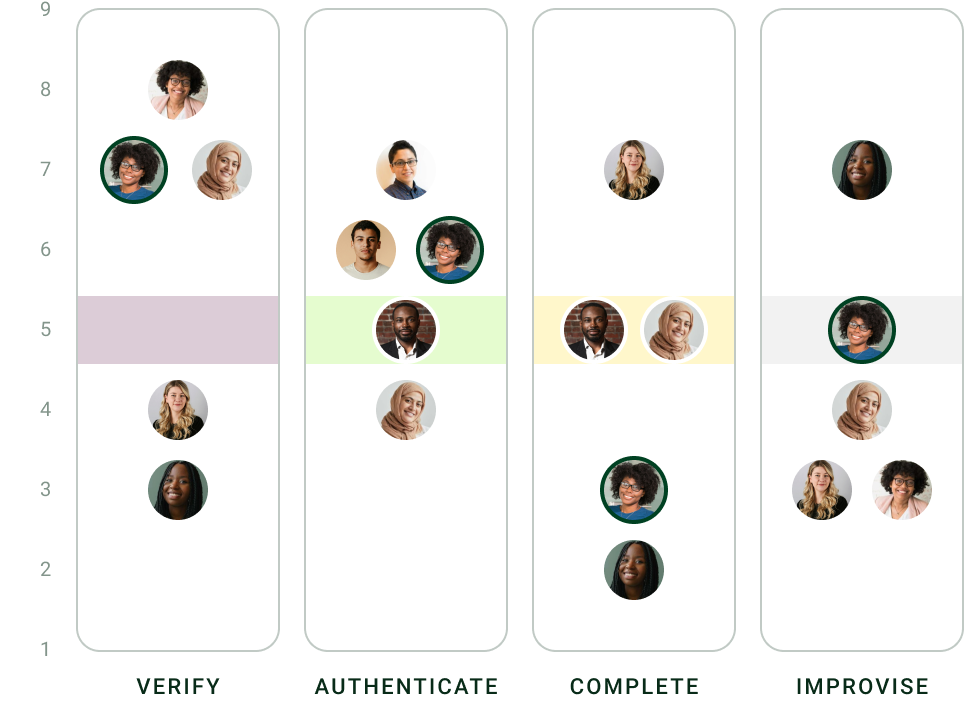
How to apply Instinctive Drives® with Cloverleaf

Onboarding & role changes
Help employees and managers discuss expectations, preferred ways to receive information, and the support needed when starting a role.

Team agreements & conflict
Use differences in working needs to guide agreements about communication, decisions, and how the team handles conflict.

Manager conversations
Give managers coaching tailored to each direct report’s Instinctive Drives® to prepare for feedback, discuss motivation, and clarify expectations.

Performance & well‑being
Use results to explore what makes an assignment difficult and discuss adjustments to planning, focus time, or support.