
AI Coaching for Teams
A Plain-Language Guide for Talent Development Leaders
BROWSE TOPICS
TL;DR (for busy leaders):
An AI coach is a trustworthy, always-on helper that understands you, your team, and how you work together. It’s available to serve personalized, in-the-moment coaching—inside tools people already use—to reduce friction, speed decisions, and make behavior change measurable. It doesn’t replace human coaches; it scales coaching to everyone and reinforces learning between sessions.
What is “AI Coaching” for Teams (in plain language)?
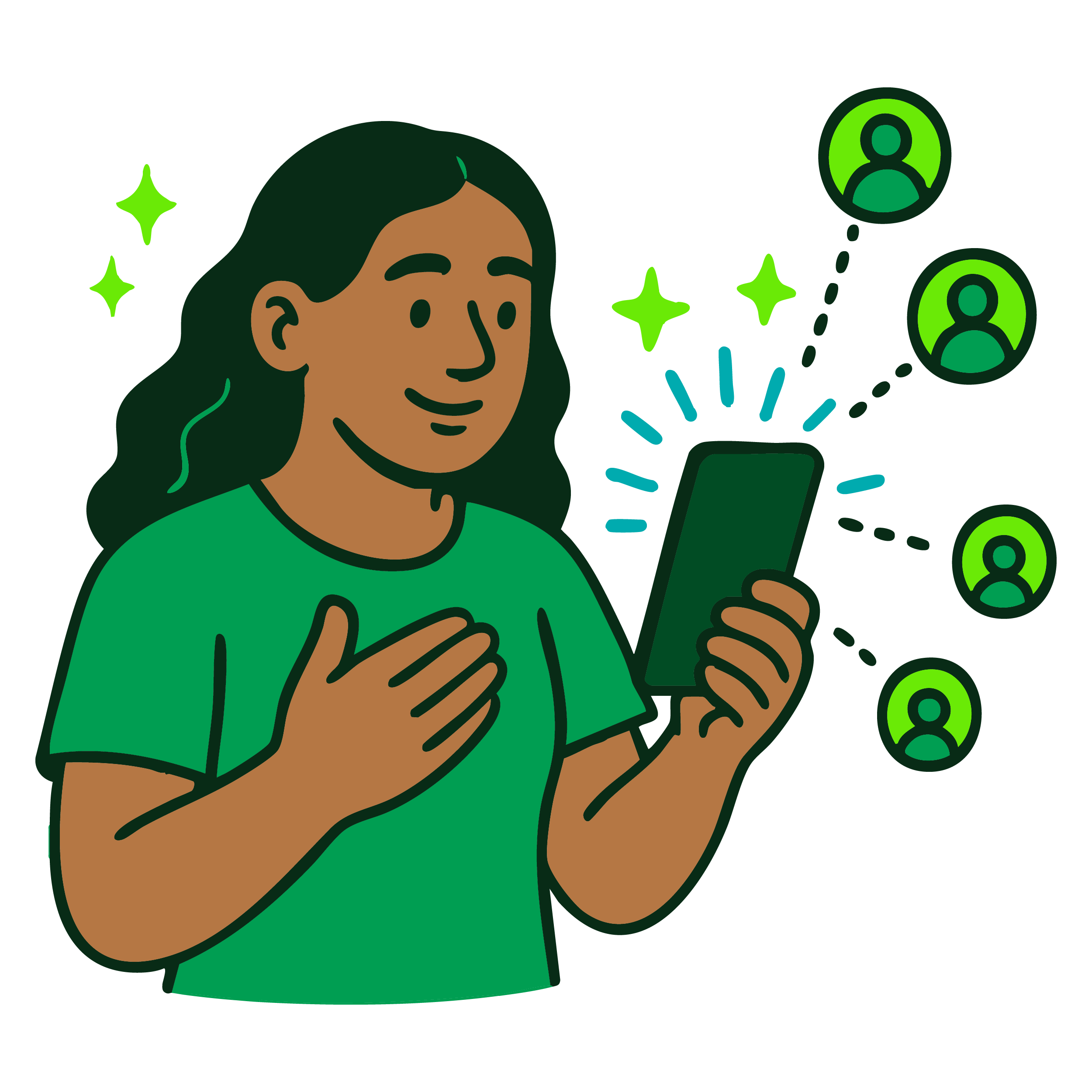
AI coaching is like having a professional coach in your pocket — a small but powerful companion that knows you, your team, and the dynamics that drive your success. It’s always there to guide, cheer, and challenge you in real time.
Unlike chatbots or generic learning apps, the best AI coaches understand your personality, work context, calendar, and team dynamics. It delivers coaching exactly when you need it — in the tools you already use — and it doesn’t just coach you. It also helps your manager and teammates understand how to bring out your best work.
It’s continuous development that happens in the flow of work, not in isolation.
Why the team matters:
No one works in a vacuum. A useful coach must know you and the teammates your success depends on—styles, motivators, friction points, goals, and history. Most “AI coaches” today only focus on the individual. A true team coach understands the system so it can improve collaboration, not just personal habits.
What it feels like day to day:
- It appears in your calendar, Slack/Teams, and email with just-in-time hints.
- It helps you craft a message to fit your recipient’s style.
- It gives a 30-second pre-brief before a 1:1, or a debrief prompt after a tense meeting.
- It suggests phrasing for tough feedback, or a way to defuse conflict—right now, not next quarter.
AI coaching for teams is an always-available, context-aware coach that automates improvement and growth by helping people collaborate better—right inside their daily workflow.
How is AI Coaching different from traditional coaching or leadership training?
Continuous vs. episodic
Human programs happen in cohorts and sessions; AI coaching happens every day, in the flow of work.
Context-aware vs. generic
Tailored to your role, goals, style, and the real people you work with—so advice fits the moment.
Embedded vs. separate
Lives in your calendar, chat, and email—not another app to remember.
Scalable vs. exclusive
Extends coaching to everyone (especially new managers and frontline employees), not just executives.
Data-Driven vs. Self-Reported
Captures behavior signals (topics coached, application moments) so change is visible without surveys.
Private and safer to surface issues
People can ask sensitive questions; anonymized patterns help HR spot trends without “surveillance.”
How AI Coaching Complements Traditional Development Initiatives
AI coaching supplements (not replaces) leadership programs and human coaches. It reinforces learning between workshops, sustains behavior change, and makes scarce human coaching time more effective.

What most AI coaching tools are missing (and what you should require)
Real context (not just frameworks).
Many tools parrot generic models. What matters is context—power dynamics, constraints, team history, motivators, and relationship patterns—captured from reliable, multi-perspective sources (e.g., validated behavioral assessments, role and team data).“Others” awareness.
Coaching shouldn’t stop at the individual. Effective tools know the people you rely on for success—managers, teammates, reports, partners, clients—and use that to tailor guidance.Deep Integration into Everyday Workflows
Users don’t want another platform or app to manage — they want help where work already happens. The best AI coaches integrate natively into Slack, MS Teams, Zoom, Calendar, and even performance or HR systems. That’s what makes insights actionable instead of abstract, reducing cognitive load and driving consistent adoption.Robust data, not an echo chamber.
ChatGPT-style tools can coach—if you feed them lots of data. Without that, they risk mirroring your biases or telling you what you want to hear. Real AI coaching connects to trusted organizational data (performance notes, goals, competencies, skills, team structures) to surface blind spots, not reinforce them.

What problems does AI Coaching solve for Talent Development leaders?
AI coaching solves one of the most persistent challenges in talent development: scaling culture and leadership principles consistently across every team. It ensures the values and frameworks your organization invests are not forgotten but can be referenced and acted upon.
- Scales personalized learning from “role-based” to person-based (skills, blind spots, goals, style, relationships).
- Delivers the right learning at the right time—micro-coaching in the moment of stress or need.
- Reinforces the 70/20/10 model so lessons stick and programs are successful.
- Enables manager effectiveness at scale without more workshops or headcount.
- Reduces friction and rework by improving everyday communication.
- Speeds new-hire ramp and spreads “what good looks like” across teams.
- Supports change adoption with timely nudges and scripts embedded in work.
- Democratizes access to coaching—affordable, scalable, and adaptive for everyone.

Key Business Outcomes from AI Coaching (and How to Measure Success)
Leading indicator: Usage
If it’s helpful, people use it—daily/weekly active usage should be high (no more single-digit logins).
Behavior change
- Topics employees seek help on (e.g., feedback, conflict, persuasion)
- Moments of application (e.g., message rewrite used, debrief completed)
- Habit formation over time (consistency of behaviors)
Engagement & culture
- Higher manager-quality/trust scores
- More effective feedback and recognition
- Fewer escalations; smoother cross-team work
Business performance
- Faster decision and feedback cycles
- Shorter, more effective meetings
- Lower regrettable attrition
- Higher cross-team throughput and on-time delivery
How companies are using AI Coaching to improve workplace communication
Self- and others-awareness
Make invisible dynamics visible (e.g., “your drive for speed may steamroll quieter teammates”) so people can adjust in the moment.Coaching around feedback moments
Pre-briefs to plan phrasing and intent; in-conversation nudges; post-conversation reflection to reinforce what worked.Just-in-time (JIT) coaching in meetings and messages
- Calendar pre-briefs and debriefs
- Message rewrites to fit recipient style
- Role/intent nudges (“clarify decision owner,” “invite dissent”)
- Conflict triage prompts and scripts
Why AI Coaching Effectively Drives Communication Impact
Employees interact more than 10,000 times a year across meetings, chat, and email. Even a small improvement in those daily moments compounds into higher trust, faster decisions, and smoother collaboration.
Evidence from Users
Teams using AI coaching tools like Cloverleaf report that new hires build trust and effectiveness in 6–8 weeks instead of 6–8 months. Less friction, faster integration, greater collective impact.
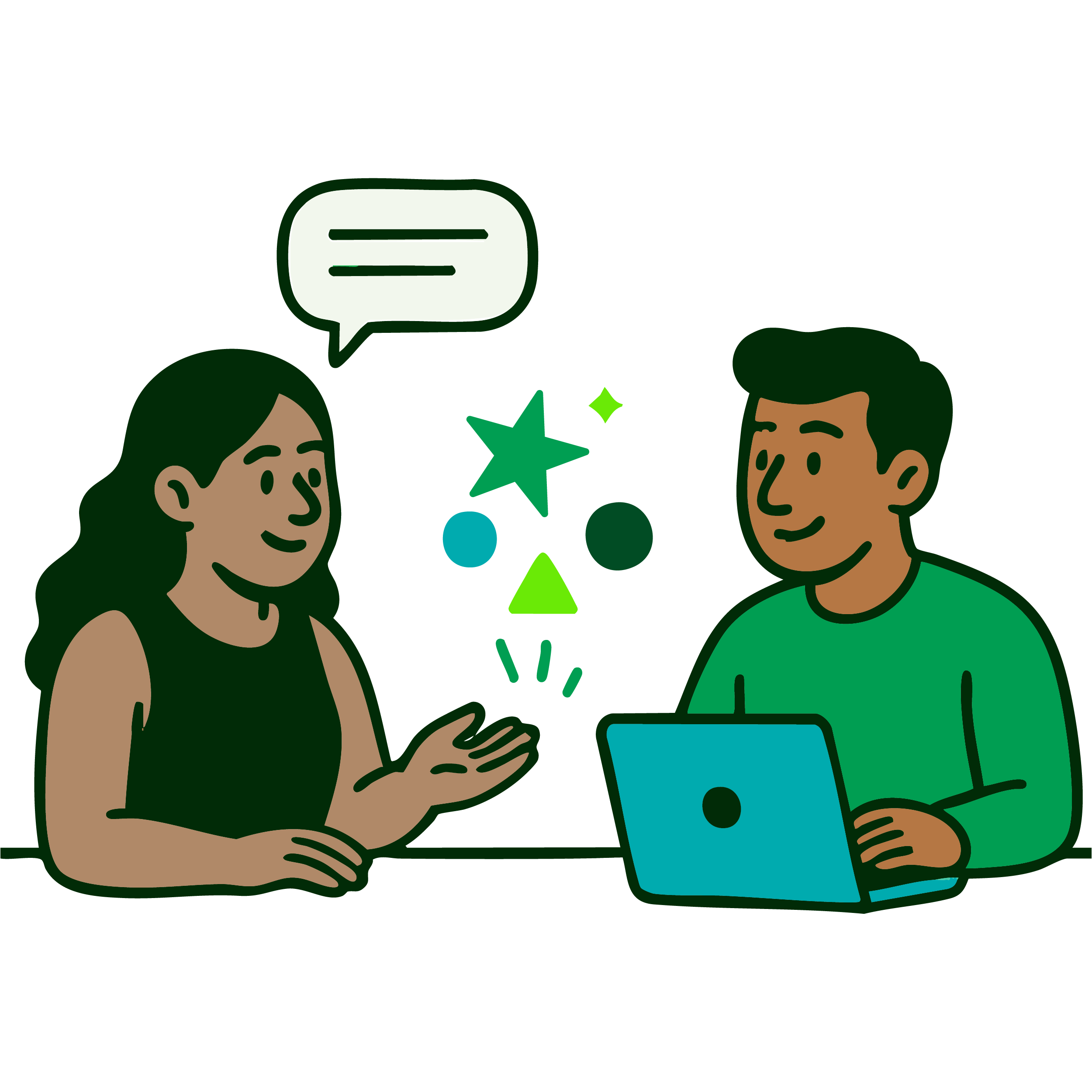
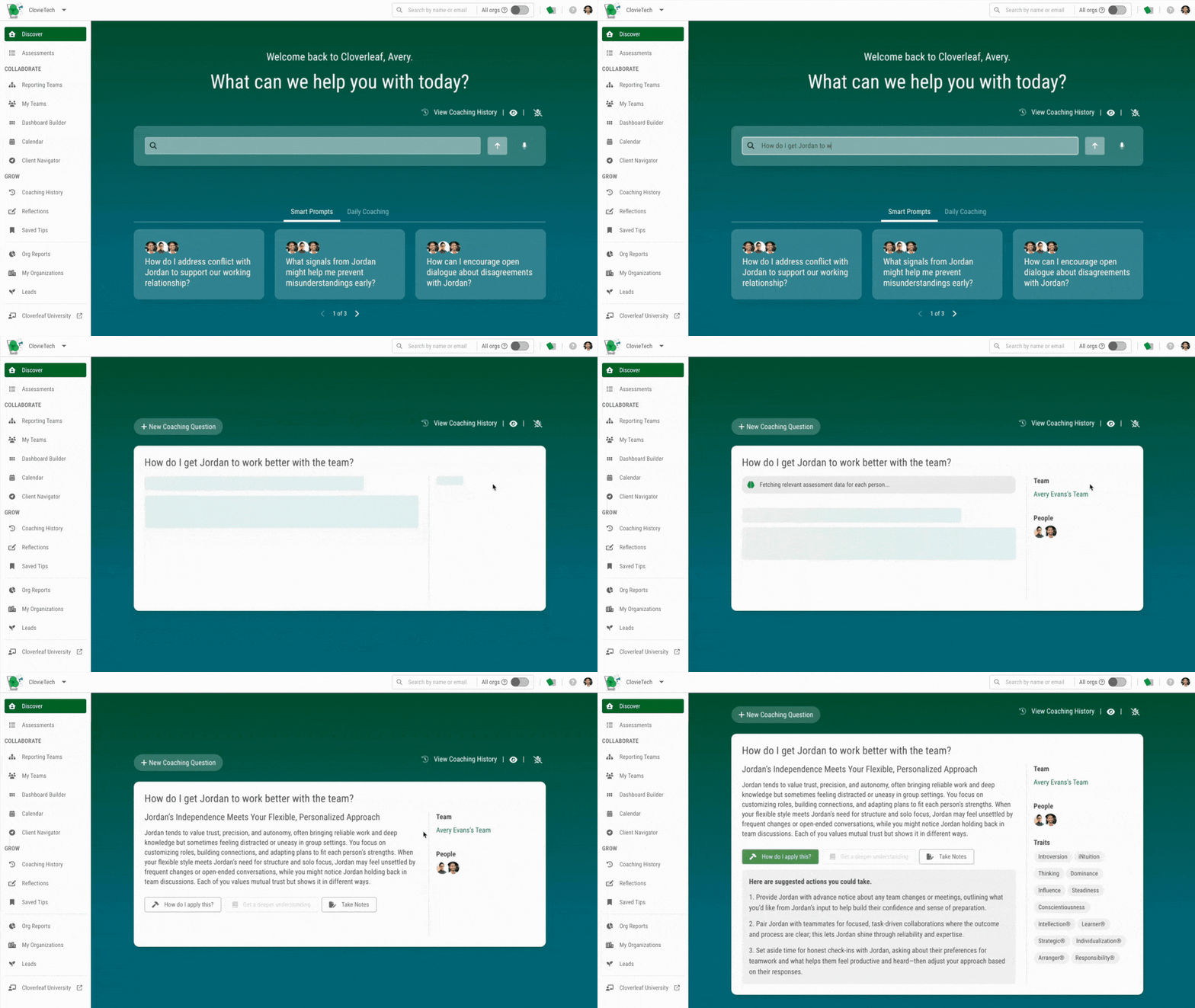
A simple explanation of how Cloverleaf’s AI Coach works (for skeptical HR leaders)
- Grounded understanding: Combines validated behavioral assessments with role and team context to build a reliable picture of people and relationships (not just self-report).
- Right place, right time: Delivers nudges inside tools you already use—calendar, Slack/Teams, email—so advice is applied, not forgotten.
- Manager Enablement in Real Time: Managers spend much of their day navigating people challenges — giving feedback, motivating teams, or resolving friction. Cloverleaf acts as an always-on partner that helps managers coach more effectively, communicate clearly, and grow their people without adding administrative load.
- Reinforcing Human Insight with AI: Cloverleaf doesn’t replace human connection — it strengthens it. By reinforcing learnings between sessions, identifying emerging behavior patterns, and personalizing support, AI expands the reach and consistency of great coaching across every level of the organization.
If you’re skeptical: Ask your ER team what causes most issues—misaligned styles, unclear expectations, feedback gone sideways. Cloverleaf reduces that friction by coaching the cause, not just the consequence.
Common concerns about AI—and how responsible AI coaching addresses them
Bias & hallucinations
Ground models in behavioral science and organizational frameworks; test for bias; keep a human in the loop.
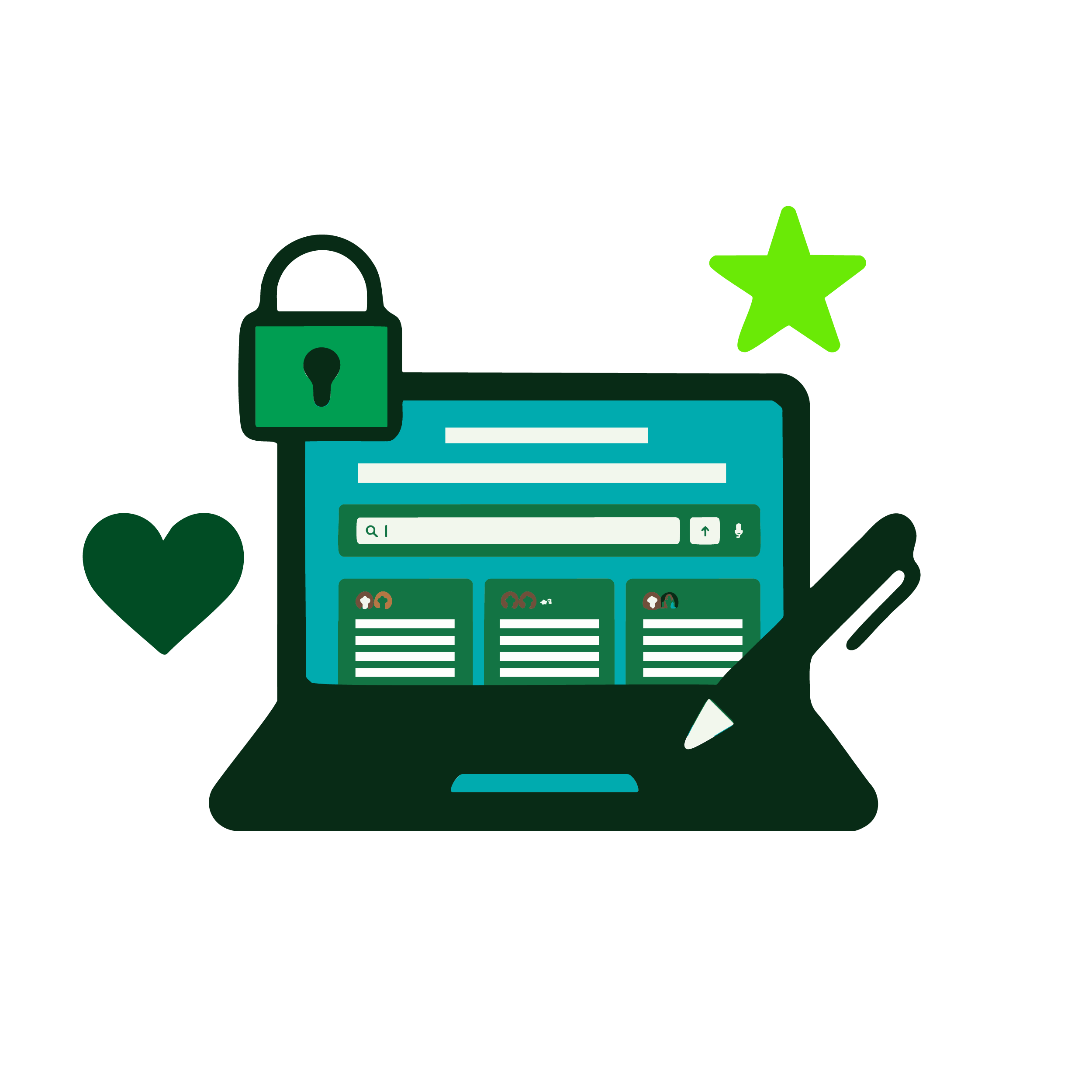
Privacy & data protection
Transparent data flows and permissions; least-privilege access; employee control over personal insights; retention limits; encryption; audit trails.
“Replacement” fears
The AI coach doesn’t rate performance or make decisions; it suggests options and scripts. Managers still manage; people still choose.
Trust & alignment
Coach to the organization’s values and competencies; allow customers to infuse their own frameworks; block disallowed questions while permitting hard, growth-oriented ones.
Key policy stance to communicate:
- No training of external LLMs on customer data.
- Memory and personal insights stay under the individual’s control.
- Suggestions-not-actions by default.
Why Right Now Is the Tipping Point for AI Coaching Adoption
We’re entering a new era of learning — one that’s adaptive, contextual, and continuous.
AI coaching represents the next generation of development: it delivers learning exactly when and where it’s needed, not weeks later in a course.
- LLMs are finally good and cost-effective.
- Hybrid work amplifies friction and makes soft skills pivotal.
- Managers are stretched thin; budgets demand ROI.
- Early adopters build data flywheels (nudge → behavior → outcome) that compound over time—waiting creates change debt.
- HR can lead responsibly: due diligence on compliance and equity, then move to tools that increase trust, safety, and performance.
Organizations that wait will accumulate change debt—lagging culture and fragmented communication patterns that are harder to correct later.
What AI coaching will change in the next 2–3 years
- Team-level copilots facilitate meetings in real time, orchestrate work across apps, and accelerate storming→norming.
- Org-tuned models close the loop from nudge→behavior→outcome so you can steer culture with evidence.
- Ubiquity in progressive organizations—an AI coach for every employee, like email or HRIS today.

AI Coaching Platform Evaluation Checklist (What to Look For in a Vendor)
Choosing an AI coaching platform isn’t about picking the flashiest features — it’s about selecting a partner that aligns with your organization’s culture, data standards, and people strategy. The right solution should enhance trust, scale learning, and translate directly into measurable business outcomes.
1. Core Coaching Capabilities
- 1:1 Pre-Briefs and Debriefs: Deliver personalized insights before and after key meetings to reinforce learning in the moment.
- Message Optimization: Rewrite or suggest tone adjustments based on recipient style to prevent friction.
- Conflict and Feedback Coaching: Provide phrasing, emotional framing, and escalation prevention scripts when tensions arise.
- Behavior Reinforcement: Track applied coaching moments and re-engage users with timely nudges.
2. Collaboration Intelligence
- Team Dynamics Mapping: Combine personality, motivation, and role data to visualize collaboration patterns.
- Stakeholder Maps: Identify influence paths and friction points across departments.
- Meeting Effectiveness Nudges: Prompt inclusivity, clarify decision roles, and encourage follow-ups automatically.
3. Integration and Accessibility
- Native Integrations: Outlook/Google Calendar, Slack, Teams, HRIS, and performance platforms.
- Workflow Embedding: Coaching delivered inside existing tools—no separate logins.
- Multi-Platform Access: Works across mobile, desktop, and browser extensions.
4. Data Foundations and Personalization
- Validated Behavioral Assessments: Incorporate trusted psychometric data (DISC, Enneagram, MBTI, Big Five, etc.).
- Contextual Awareness: Pull from role, team, goals, and competency data for richer personalization.
- Adaptive Learning: Adjusts coaching content as individuals and teams evolve.
5. Governance and Trust Controls
- Data Privacy & Security: Encryption, least-privilege access, retention limits, and independent audits.
- Transparency: Explainable AI outputs and human review controls.
- Customization: Align coaching tips with your organization’s values, leadership frameworks, and compliance requirements.
6. Measurement and Reporting
- Usage Analytics: Daily/weekly active use and coaching moment tracking.
- Behavioral Insights: Identify top coaching themes and applied changes.
- Organizational Impact Reports: Tie engagement, retention, and trust scores to coaching adoption.
Pro Tip: Vendors that can connect coaching interactions to business outcomes (e.g., fewer escalations, faster decision cycles) will help you tell a stronger ROI story internally.
Implementation playbook (quick start)
- Start small: Pilot with a manager cohort or a change-heavy team.
- Define success: Choose 3–5 metrics (usage, manager quality, escalations, meeting effectiveness, retention).
- Integrate where work happens: Calendar + Slack/Teams first.
- Coach to your values: Load core values, competencies, and feedback frameworks.
- Inspect and adapt: Review signals monthly; expand to adjacent teams.
Explore related resources
Frequently asked questions
What is AI coaching (in one sentence)?
An always-on, context-aware coach that helps teams collaborate better by delivering personalized guidance in the moment of need.
Does it replace human coaches or leadership programs?
No. It scales coaching to everyone and reinforces learning between sessions; human coaches remain essential for depth.
Where does it show up?
In the tools people already use—calendar, Slack/Teams, email—so guidance is applied immediately.
How is this different from ChatGPT?
ChatGPT doesn’t know your people or context unless you feed it data. A real AI coach connects to trusted org data to surface blind spots and relationship dynamics—safely.
How do we know it’s working?
Track usage, behavior signals (topics, applications), engagement trends, manager quality, escalations, meeting effectiveness, decision speed, retention, and cross-team throughput.
Is our data safe?
Require least-privilege access, encryption, retention limits, explainability, admin controls, and a “no external LLM training” commitment.