The Secret To Coaching Employees Toward Long Term Growth
Reading Time: 9 minutesDiscover how to coach employees in the workplace effectively and create lasting change with strategies that empower and inspire growth.
Built for Better Work
Helping teams communicate, collaborate, and perform at their best.
Book a demoReal Business Impact
Support leaders, teams, and organizations through every stage of growth.
Book a demoRelationships
Use Cases
Built for Better Work
Helping teams communicate, collaborate, and perform at their best.
Book a demoReal Business Impact
Support leaders, teams, and organizations through every stage of growth.
Book a demoCloverleaf
Life at Cloverleaf

Reading Time: 9 minutesDiscover how to coach employees in the workplace effectively and create lasting change with strategies that empower and inspire growth.
Reading Time: 12 minutesToday’s leaders are navigating an increasingly complex challenge: building cohesive, high-performing teams in a hybrid and remote work environment. Misaligned goals, fragmented communication, and inconsistent collaboration often lead to frustration, reduced productivity, and disengaged teams. As coaches and consultants, you’re frequently called in to resolve these issues, yet scaling traditional 1-1 coaching approaches to address the intricate dynamics of modern teams can feel like an uphill battle. These challenges demand a more holistic approach—one that goes beyond individual coaching to address the team as a dynamic whole. Team coaching offers this solution by providing a structured, scalable method to unify diverse teams, drive sustained behavioral change, and align collective efforts toward shared goals. Rather than patching up problems as they arise, team coaching equips teams with the tools and strategies to anticipate and overcome these hurdles together. In this article, we’ll guide you through a practical, step-by-step process for designing and implementing a team coaching program that meets these needs. From gathering actionable insights and setting clear objectives to structuring impactful sessions and tracking progress, you’ll discover how to create a program that addresses immediate concerns and builds a foundation for long-term success. First, Does Your Approach To Team Coaching Need Reimagining? Leaders and organizations often find themselves confined by the traditional limits of 1-1 coaching: high costs, restricted access, and a narrow focus on individual development that fails to address the broader team dynamics. These limitations can leave critical team issues unaddressed, leading to misalignment, communication breakdowns, and stalled progress. Let’s be honest: Traditional coaching methods are great, but they’re often not enough. You already know this. The real challenge—and opportunity—lies in scaling coaching beyond the individual to the entire team. Modern, tech-savvy team coaching breaks free from the limitations of conventional approaches. It’s about more than just keeping everyone on the same page—it’s about rewriting the entire playbook. Team coaching promotes continuous development across every level, making sure everyone—from the newest hire to the most seasoned executive—grows in sync. It’s not just about ticking the boxes on individual improvement; it’s about embedding those skills into the team’s DNA so they’re prepared to tackle challenges head-on and drive real, lasting success. Imagine the shift when team coaching realigns communication and goals. Suddenly, what once felt like insurmountable roadblocks become stepping stones to growth. With each voice contributing, new strategies emerge—creating a unified team that’s not just connected, but resilient and ready to tackle challenges head-on. Shift your coaching business from hourly billing to predictable revenue Ready to finally move beyond hourly limits? Let’s start building your profitable coaching business today Get the High Impact Coach Crash Course to see how to build a coaching business that delivers more value, serves more clients, and grows more revenue without burning you out. How To Create A High Impact Team Coaching Program Designing an effective team coaching program requires more than just a plan—it demands a strategic approach that challenges the way you think about team development. As coaches, it’s easy to rely on what we know works for individuals, but scaling those practices to a team level? That’s where the real work begins. This guide isn’t just about following a static approach; it’s about using a framework to create a customized program that is unique to the team. Gathering insights isn’t just about collecting data—it’s about actively digging deep to uncover what truly drives each team you coach. Setting goals shouldn’t feel routine—it should feel like crafting a vision that challenges the status quo of every culture. Structured sessions are not about following a script but about creating an experience that resonates with those participating. Whether you’re reassessing how you track progress or reimagining how you engage with your team, this guide will equip you with the tools to create a program that’s not just effective but unique. Step 1: Collect Anonymous Team Data Before diving into the coaching program, starting with a deep understanding of your team’s current dynamics is crucial. Gathering honest, unfiltered feedback is essential, as it reveals surface-level issues and the underlying challenges that may be holding the team back. Using anonymous surveys or assessments, you can create a safe space for team members to voice their thoughts and concerns without fear of judgment, ensuring the data you collect is candid and actionable. Let’s think beyond the usual data-gathering routine: this step is about truly hearing the team’s collective voice. The goal is to uncover the strengths that can be leveraged and the areas for growth that need addressing, setting the stage for a coaching program that is not only relevant but transformative. Tools: Start by designing a brief yet targeted survey that digs into critical areas of team dynamics. Consider questions that provoke deeper reflection, such as: How effectively does our team communicate? (Scale of 1-10) What communication challenges have you noticed within the team? Do you feel that you can openly share your thoughts and ideas with the team without fear of judgment? (Yes/No) If no, what are the barriers to building trust within the team? Do you feel that everyone on the team understands their role and responsibilities? (Yes/No) How well do individual strengths align with team goals? Do you feel your skills and strengths are being fully utilized in your current role? (Yes/No) What additional strengths do you believe the team should leverage more? Do you have the tools and resources you need to do your job effectively? (Yes/No) If not, what resources are missing? Are there areas where the team could benefit from further development or training? (Yes/No) What specific skills or knowledge areas would you like to see the team develop? How effective is the team’s decision-making process? (Scale of 1-10) What could improve the way we make decisions as a team? Using this data, determine focus areas to discuss in session one based on date, such as Team communication, conflict resolution, and collaboration effectiveness. Outcome: The anonymized data collected through this process will highlight key areas for development and growth,
Reading Time: 11 minutesWe’ve all heard the stories—a newly hired C-Suite leader, brimming with technical expertise, suddenly finds themselves losing their cool in high-stakes meetings. The table-slamming, the shouting, the profanities—it’s a pattern that repeats itself far too often in organizations. But what if these outbursts were more than just isolated incidents? What if they were symptoms of a deeper issue that Talent Development Leaders must address? In a conversation, a client shared his experience with a newly hired C-Suite leader who started to lose his cool a few months into the job. He described instances just like those above. It took HR exactly two weeks after a number of employees started to report these types of interactions to let the person go. The gaps in this leader’s human skills, turned an amazing opportunity into a humiliating failure for him. While he was technically highly proficient and had the exact experience and background the company needed, none of it could save him. When these kinds of behaviors surface, they often stem from gaps in essential human skills like emotional intelligence and conflict management. These gaps can turn extraordinary opportunities into catastrophic failures—not just for the individual but for the entire organization. While technical proficiency and experience are critical, they cannot compensate for the lack of core human skills that are crucial for effective leadership. To address these leadership breakdowns, we must look beyond the surface and tackle the root causes head-on. Addressing the Root Causes of Leadership Failures While it’s easy to focus on the visible manifestations of leadership breakdowns—like the outbursts and poor behavior mentioned earlier—the real challenge lies in addressing the underlying causes. These incidents are often symptomatic of deeper issues such as unaddressed stress, inadequate emotional intelligence, and a lack of continuous development in critical human skills. For Talent Development Leaders, this is where the opportunity—and responsibility—truly lies. Improving human skills isn’t solely about avoiding such dramatic fallouts. It’s about proactively building social and human capital within the organization, creating an environment where employees can experience meaningful personal growth that makes them not just better professionals but better leaders. Conventional approaches to leadership development often fail to provide the ongoing support managers need to navigate today’s complex work environments. Continuous development isn’t just a best practice—it’s a necessity, given the increasing pressures on leaders. People skills are not just a benefit but a requirement. Organizations can no longer afford to take a reactive approach. Leaders need real-time, personalized insights to manage stress, improve emotional intelligence, and maintain their composure in high-pressure situations. For organizations, the stakes extend beyond individual incidents. The ripple effects of a leadership failure can be felt across teams, departments, and even the entire organization. By proactively equipping leaders with the tools they need to succeed—not just through traditional training but through continuous, context-specific coaching—you can build a resilient leadership culture that not only prevents failures but also supports consistent growth and development. How To Improve Human Skills In Management: From Big Picture Vision to Ground-Level Growth Top-Down Leadership: Aligning Strategy with Human Skills Misalignment in leadership values and approaches is more than just a growing pain—it’s a critical risk that can derail organizational success. When leaders are not aligned on core values and competencies, it leads to inefficiencies, employee dissatisfaction, and, ultimately, missed business objectives. Step 1: Define Core Leadership Values and Competencies The first step is clearly defining the leadership values and competencies critical to your organization’s success. This involves identifying the key qualities and skills that every leader should embody, from the C-Suite to middle management. These values should reflect the company’s long-term goals and cultural priorities. For example, an engineering team at a startup might have been built up by a leader who cultivated a flexible work environment and prioritized mental health. However, as the company grows, it may bring in a CTO with a different leadership style that emphasizes performance in high-pressure environments. This shift can lead to misalignment if the core values and competencies are not clearly defined from the top. Step 2: Communicate and Align Leadership Teams Once these values and competencies are defined, the next step is communicating them across all leadership levels. Every leader must understand and buy into these principles. Regular alignment meetings, workshops, and leadership training sessions can effectively ensure that all leaders are on the same page. To prevent misalignment, organizations must define their desired leadership values and approaches from the top down. However, defining these values is only the first step. Continuous alignment and reinforcement are necessary to ensure these values are lived daily. Step 3: Utilize Continuous Feedback and Coaching Tools With core values and competencies defined and communicated, the focus shifts to continuous alignment and reinforcement. This is where tools like Automated Coaching can strengthen culture and support ongoing development. By providing leaders with real-time, personalized insights, these tools help reinforce the company’s core values and leadership competencies in every interaction, ensuring that leaders consistently model the behaviors expected of them. Step 4: Identify Skill Gaps Using Data-Driven Insights The next step is to identify potential skill gaps among current leaders. This process should be driven by data, leveraging tools that comprehensively analyze where leaders stand regarding the desired competencies. Cloverleaf’s platform, for instance, offers detailed assessments and continuous feedback, enabling organizations to create targeted, data-driven learning paths that address these gaps effectively. Step 5: Implement Targeted Development Programs Finally, after identifying the gaps, organizations should execute targeted development programs. These programs should be designed to address specific gaps and reinforce the core competencies identified earlier. Regularly reviewing progress and adjusting these programs as needed will ensure that the development is ongoing and aligned with evolving organizational needs. Ultimately, a well-executed top-down approach to leadership development, supported by continuous alignment and personalized coaching, helps individual leaders succeed and drives the organization toward its strategic goals. By ensuring that every leader is on the same page and equipped with the necessary skills, companies can build a resilient leadership culture that is ready
Reading Time: 6 minutesLearn how to scale the impact of personalized emotional intelligence training for leaders to drive real change and results.
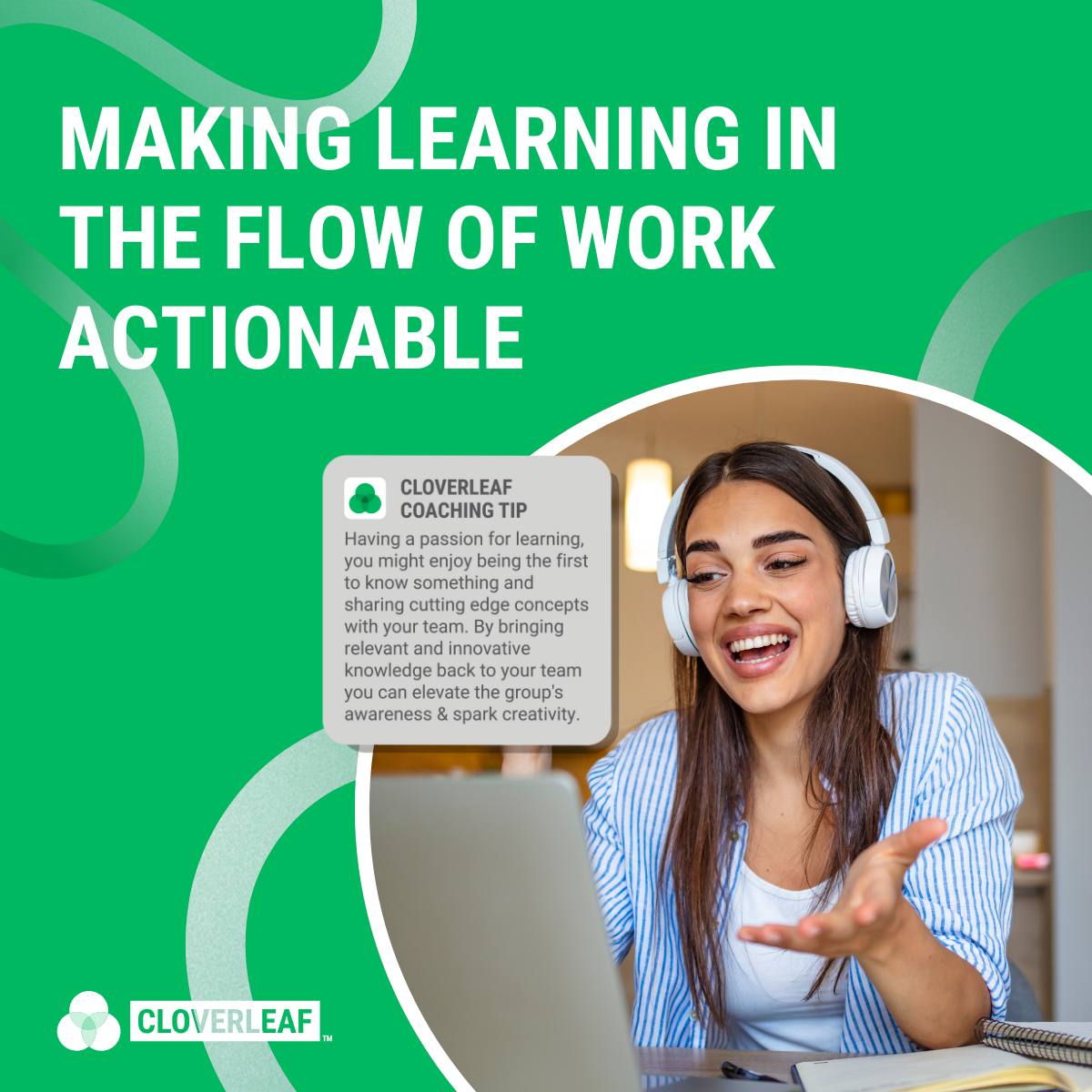
Reading Time: 6 minutesExplore how learning in the flow of work is a reality with personalized, contextual insights that empower real time development.

Reading Time: 6 minutesExplore the rise of microlearning platforms and how Automated Coaching seamlessly transforms learning into actionable content.