
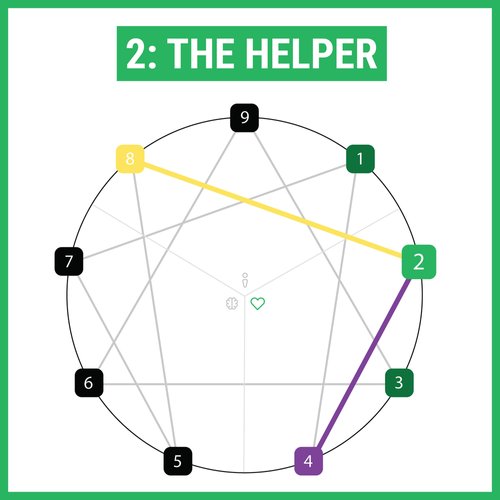
Enneagram 2: The Helper – Strengths, Growth & How You Work Best
Reading Time: 9 minutesEnneagram Type 2, The Helper: More Than a Caretaker You don’t just help—you anticipate needs before they arise. You’re the one who remembers birthdays, checks in on a friend having a tough week, and notices when a teammate seems off. Your kindness isn’t just about being nice—it’s about creating deep connections and making others feel valued. But constantly giving can come at a cost. You might push your own needs aside, struggle to say no, or feel unappreciated when your efforts aren’t acknowledged. At times, it can feel like the love you give isn’t always reciprocated. You’re not just a helper—you’re a person with your own needs, dreams, and boundaries. And that’s what makes you a Giver. This guide will help you maximize your strengths, set healthy boundaries, and grow in ways that let you support others without losing yourself in the process. The Enneagram Guide To Healthy Teams See How High-Performing Teams Use the Enneagram to Strengthen Collaboration Core Motivations & Fears of Type 2s A common misconception about Twos is that they give simply because they enjoy helping. While that’s true to an extent, there’s something deeper at play—a core longing to be loved, appreciated, and truly seen. You thrive on connection, and your generosity isn’t transactional—it’s how you express love. Whether it’s supporting a friend through a tough time, making sure no one feels left out, or anticipating needs before they arise, you instinctively create spaces where people feel valued and cared for. But beneath these motivations lie some powerful fears: Fear of being unwanted—that if you stop giving, people might not stick around. Fear of being unworthy of love—that love has to be earned through selflessness. Fear of being overlooked—that your kindness might go unnoticed or unappreciated. Twos are one of the most relationally driven Enneagram types, making up 14% of the 883,560+ Enneagram assessments taken on Cloverleaf. You’re the glue that holds teams, families, and friendships together. But here’s the truth: You don’t have to earn love—you’re worthy of it just as you are. In this guide, we’ll explore how you can honor your generous spirit without overextending yourself or losing sight of your own needs. Strengths of Enneagram 2: The Giver As a Type 2, you have a gift for connection—you don’t just support people, you see them. You instinctively know what someone needs, often before they say a word. More than just kindness, your generosity creates belonging, strengthens relationships, and makes people feel truly valued. Twos bring warmth, encouragement, and collaboration into every space they enter—whether it’s at work, in friendships, or in leadership. But these strengths, if unchecked, can also lead to exhaustion, unspoken expectations, or resentment (more on that in the next section). Core Strengths of Enneagram 2 ☘️ Deeply Empathetic & Emotionally Attuned – You don’t just listen; you feel what others feel. Your ability to recognize unspoken emotions makes people feel safe and understood. ☘️ Encouraging & Uplifting – You naturally bring warmth to any environment, making people feel valued and appreciated. ☘️ Collaborative & Relationship-Oriented – You thrive in team settings, building strong connections and ensuring that everyone feels included. ☘️ Generous & Supportive – You’re always ready to offer help, guidance, and reassurance, making you a trusted confidant and ally. ☘️ Persuasive & Inspirational – Your sincerity and passion allow you to rally people toward a shared mission, whether it’s a team goal or a personal cause. What This Means in Work & Life Your ability to bring people together and create harmony is unmatched. Whether leading a team, supporting a friend, or working behind the scenes, you make others feel important and valued. But this deep investment in people can become a double-edged sword—overextending yourself, giving more than you have, or struggling to say no. 💡 Coaching Insight: Helping doesn’t always mean doing. Before stepping in, ask yourself: 💬 How can I empower this person rather than doing it for them? ✔ New Habit: Shift from fixing to guiding, so you support others without overextending yourself. Challenges & Growth Opportunities for Enneagram Type 2 Your ability to care for others is your superpower, but it can also become your greatest struggle. You give, support, and uplift—often without being asked. But when you pour all your energy into others without setting limits or asking for what you need, exhaustion and resentment can creep in. So how do you continue being a source of encouragement and connection without losing yourself in the process? ⚠️ Common Challenges for Type 2s 👉 Difficulty Setting Boundaries – You feel responsible for others’ happiness, making it hard to say I can’t right now—even when you’re running on empty. 👉 Suppressing Personal Needs – You focus so much on what others need that you push your own desires aside—until frustration builds. 👉 Absorbing Others’ Emotions – You take on people’s stress, sadness, or struggles as if they were your own, leaving you emotionally drained. 👉 Seeking Validation Through Giving – You want to feel appreciated and loved, but this can lead to giving with unspoken expectations. 👉 Neglecting Self-Care – You’re so busy taking care of others that you forget to take care of yourself. 🌱 Growth Strategies for Type 2s ✅ Set Healthy Boundaries Without Guilt – Saying I can’t right now doesn’t mean you don’t care—it means you respect your own limits. ✅ Give Yourself Permission to Rest – You don’t need to “earn” self-care. Prioritizing your well-being helps you show up fully for others. ✅ Give Without Expecting – Care isn’t a transaction. Remind yourself: I give because I choose to, not because I need something in return. ✅ Communicate Your Needs Clearly – No one can read your mind. Practice saying: I need support right now. It’s not weakness—it’s healthy. ✅ Balance Giving & Receiving – Letting others support you, too, creates deeper, more reciprocal relationships. 💡 Coaching Insight: Twos thrive when they realize that their worth isn’t tied to how much they give—they are valuable just as they are. ✔ New Habit: Instead of asking