
Have you ever felt the weight of navigating through a workplace that seems rigid, unresponsive, or even impersonal? Contrast this with an environment where trust, collaboration, and genuine conversations are the norm. That’s the magic of a coaching culture—a transformative approach that is revolutionizing how we work and interact.
KEY TAKEAWAYS
- The Essence of a Coaching Culture: At its core, coaching emphasizes trust, collaboration, and accountability to promote open, growth-oriented conversations.
- Benefits Extend Beyond the Organization: Creating a coaching culture can enhance business outcomes, reduce turnover, and strengthen psychological safety.
- Feedback as a Dual-Growth Tool: Feedback serves as a powerful tool for mutual growth, benefiting both the giver and the receiver.
- Consistency in Application: For success, coaching must be consistently applied across all levels and interactions within the organization.

Defining a Coaching Culture in the Modern Workplace
At its core, a coaching culture embodies trust, accountability, and collaboration. Unlike traditional top-down management systems, where leaders dictate terms, a strong coaching culture promotes a paradigm where leaders act as facilitators. Leaders are more akin to guiding mentors or thinking partners, encouraging open dialogue, fostering individual growth, and cultivating team synergy. The emphasis shifts from focusing solely on results to nurturing personal and professional development, ensuring everyone feels valued and heard.
Allow me to share a personal story that demonstrates the impact of internal coaching in my professional life. Recently, I found myself under new leadership. This leader and I were poles apart in our approaches and personalities.
Over several months, we endeavored to understand each other, but the journey was challenging. It’s no secret that experiencing difficulty with a superior is not unique; many of my peers relayed similar struggles with their bosses—leaders who seemed unaware of their impact, disinterested in the development of their team, and lacked the compassion or intent to build personal relationships with members of their team.
Imagine spending most of your waking hours at work, only to feel invalidated or undermined consistently. The sense that your value to your team is perpetually overlooked can be disheartening. When I shared my frustrations with colleagues, the resonance was palpable. Some confided in their daily tears, while others considered leaving due to their unsupportive bosses. Another colleague hoped for a leadership change in the upcoming months.
Taking the initiative, I approached my leader to address these concerns. While many had done the same, my leader chose to engage in an open dialogue with me—a conversation of vulnerability.
This coaching approach proved to be a turning point. I presented my experiences, framing them as observational data. My feelings, arising from specific situations, led me to certain assumptions or, as some might call them, “learnings.” However, there was a lingering doubt: were my interpretations accurate? For instance, based on particular interactions, I questioned my perceived value within the team. Bringing these concerns forward, I was met with surprising feedback. My leader’s narrative differed starkly from my perceptions, offering a fresh perspective.
Interestingly, of the several such experiences I knew of—three of which involved my friends in similar job settings—only one leader (mine) chose to participate in such a dialogue. This highlights the rarity, yet importance, of open communication in a coaching culture.
A recent survey by my organization, LHH, showed that while 69% of all managers believe it is important for companies to provide coaching and mentoring on leadership skills, only 23% of leaders have received or are receiving coaching or mentoring. – forbes.com
Rather than being confrontational, our interactions were rooted in mutual respect and a genuine quest for understanding. During a particularly vulnerable conversation, where I shared my apprehensions and assumptions, we experienced a breakthrough.
HUMAN SKILL PROGRAMS ARE HITTING LIMITATIONS...
5 THINGS THIS FREE RESOURCE WILL TEACH YOU
- Close the widening gap between learning and on-the-job application
- Overcome the tension of pausing productivity for development opportunities
- Integrate learning so it is actually in the flow of work
- The evolution of human skill development
- What Automated Coaching™ is and how it works.

The Imperative for Change: What Is The Value Of Coaching?
A coaching mindset seeks to foster trust, accountability, and collaboration. Coaching conversations are not about merely directing. A coaching experience is rooted in creating a space where every member feels valued and validated.
Emotional intelligence and psychological safety have emerged as crucial components in today’s work environment, with the latter becoming the number one indicator of a team’s success. This safety and the intrinsic trust it fosters are pivotal for high-performing teams and creating a sense of belonging in the workplace.
When teams embed a coaching culture, they tend to achieve more tremendous success. Their performance often becomes the benchmark for others in the organization. Shifting the company culture is not about a sweeping organizational change right from the get-go; individual teams can embrace and champion this culture, setting an example for others.
The advantages of this culture extend beyond team dynamics. Coaching in the workplace can catalyze the connection between personal growth and broader business goals when considered on a larger scale.
The result? Enhanced stability and a significant reduction in turnover. In an age where employee engagement and retention are critical, employee coaching becomes even more necessary for supporting professional growth and leadership development.
6 Tangible Benefits Of Coaching for the Organization
- Personal Development: Coaching promotes individual growth, new skill development, and well-being.
- Impact on Business Outcomes: An individual’s progress and successes can intrinsically tie to the organization’s success.
- Foundation of Trust: Trust sits at the heart of culture, creating an environment of mutual respect and understanding.
- Reduction in Turnover: Trust also leads to reduced turnover. Employees feel valued, reducing the need for them to seek opportunities elsewhere.
- Alignment with Goals: Employees willingly align with the company’s goals and create action plans to develop relevant competencies.
- Increased Investment: Deeper investment and involvement from individuals can lead to high performance.
4 Strategies for Successful Implementation Building a Coaching Culture from the Ground Up
Establishing an effective coaching process isn’t instantaneous. It requires targeted strategies, unwavering stakeholder commitment, and proactive participation from everyone on the team.

1. Start Small: Practical Steps for Leaders and Teams
A. Engage Even in Difficult Environments
Leaders can lay the groundwork for change even in challenging organizations where tension is palpable. It may be tempting to assume that change can only come from a complete organizational shift, but small, calculated steps can make all the difference.
B. Harnessing the Power of Individual Teams
A pervasive misconception is that for coaching to be effective, it must start organization-wide. Individual teams can pioneer this culture, serving as examples for the broader organization. Test cultivating this culture at the micro-level to spread it throughout the company organically.
C. Utilize Simple Conversations
Often, the most profound changes start with straightforward, transparent dialogues. In the realm of coaching, it’s crucial to set clear expectations around conversations, ensuring both leaders and team members understand their roles and the goals of each interaction. This regularity in dialogue establishes a cadence, ensuring that feedback and coaching become normal.
2. Practice Two-Way Feedback For Dual Growth
In a coaching culture, feedback isn’t merely a tool; it’s the cornerstone. It provides opportunities for mentoring, clarity, and mutual understanding. But more importantly, it doesn’t just promote the growth of the one receiving the feedback; it’s a two-way street, and both leader and team member evolve together.
If leaders want their managers to take daily accountability for employee engagement, performance and development — to truly give up on bossing and begin real coaching — those managers need to be coached themselves. – gallup.com
A. Use Feedback as a Growth Mechanism
Feedback isn’t just about pointing out areas of improvement; it’s a bridge to understanding, collaboration, and mutual growth. However, embracing feedback isn’t always straightforward. It’s pretty vulnerable and may feel risky, especially when leaders aren’t accustomed to seeking it.
B. Dual Development
A misconception in traditional workplace hierarchies is that leaders coach and direct reports learn. However, this dynamic is turned on its head in a thriving coaching culture. Coaching isn’t a one-way spilling of knowledge or skills; it’s a collaborative journey. It’s a discovery process that two people or a team are doing together.
Feedback, when used effectively, does more than identify gaps; it fosters an environment of continuous improvement, mutual respect, and dual growth.
3. Navigate Challenges and Leverage Differences
Theory without practice is like a ship without a compass. Real-world experiences offer tangible evidence of the challenges and triumphs within a coaching culture.
A. Embracing Differences
Diversity is often celebrated for bringing various perspectives to the table, but it can also bring its fair share of challenges, especially when members have vastly different strengths and talents. However, these differences, when harnessed correctly, can be beneficial.
Consider my own experience; there is still ongoing learning between my leader and me, working through leveraging our different strengths. It’s not about seeing eye-to-eye on everything but appreciating and leveraging those unique qualities.
B. Confronting Challenges Head-On
Transitioning to a coaching culture may unearth hidden conflicts, but it’s also the best tool to navigate them. Don’t forget, when I got a new leader, it was not a seamless start to our relationship. There were misaligned expectations, which you don’t know until there’s some friction.
Introducing a new leader can be a challenge in any organization, especially if there are different perspectives or understandings. However, addressing these issues head-on can lead to resolution and mutual understanding.
C. Open Communication
When issues arise, the path to resolution often lies in dialogue, understanding, and mutual respect. Consider how my leader responded when I brought up my issue; he actually talked with me about what could go better and how we can move forward. This dialogue is essential in fostering understanding and creating a foundation for future collaboration.
It’s in our day-to-day real-life examples that it becomes evident that challenges are inevitable. However, a coaching approach can develop our know-how for navigating complex situations. Teams can thrive with open communication, a willingness to embrace differences, and confronting challenges head-on.
4. Addressing Core Challenges with Cloverleaf’s Automated Coaching
The road to embedding a coaching culture is not always without its hitches. Many teams and leaders grapple with specific pain points:
A. Catalyzing Genuine Behavioral Change:
Often, driving behavioral change can feel like scaling a steep mountain. The aspiration is clear: supporting individuals to become their best selves. Cloverleaf provides the dashboard and insights to navigate this challenge, turning aspirations into actionable coaching.
B. Navigating Impact Measurement:
Quantifying the effects of coaching and team development initiatives can leave people leaders guessing. Without tangible metrics, demonstrating the value of coaching to the broader business becomes nebulous. However, with Cloverleaf, you’re not just armed with data; you’re empowered with insights that resonate, showcasing the impact of your endeavors as pivotal to organizational success.
C. Equipping Managers for Diversity in Teams:
Leaders often find themselves at the helm of diverse teams, each member with unique strengths, motivations, and communication styles. Cloverleaf guides managers in understanding, valuing, and leveraging these diversities. The result? Teams that are not just effective but also harmonious.
Cloverleaf: A One-Stop-Shop To Scale Coaching To Your Whole Team

With Cloverleaf, you can transform popular validated assessments into Automated Coaching™ for the whole team.
Your organization can:
A. Enhance Strength Awareness:
Cloverleaf’s team dashboard is more than just a digital interface. Members who engage with it experience significant improvements in teamwork quality. The platform fosters an environment where leaders and teammates:
- Recognize and capitalize on each other’s strengths.
- Adapt to evolving challenges and scenarios.
- Cultivate deeper collaboration and synergy.
B. Strengthen Recognition:
Everyone yearns for recognition and acknowledgment. Within just three months of utilizing the Cloverleaf platform:
- Individuals reported a 33% increase in feeling recognized.
- Members sensed a heightened appreciation for their unique skills and inputs, fostering a positive work environment and boosting morale.
C. Promote Psychological Safety:
A team’s success isn’t just about skills but also about how comfortable members feel expressing their opinions and ideas. Cloverleaf plays a pivotal role here by:
- Simplifying the intricacies of understanding varying personalities and behaviors within teams.
- Encouraging open dialogue and mutual respect.
Practical Application in Everyday Scenarios
Creating a culture of coaching doesn’t mean a complete overhaul of your existing workplace culture, hiring external coaches, or setting up formal coaching sessions every week. Instead, it’s about integrating intentional practices into daily interactions, one-on-ones, and workflows.

4 Characteristics Of A Coaching Culture
1. Practice Coaching In The Flow Of Work:
Incorporating coaching into the very fabric of daily work does more than enhance skills—it transforms mindsets. As individuals become more adept and versatile, they invigorate their teams, creating a positive domino effect that can resonate throughout the organization.
2. Foster Trust And Transparency:
A thriving culture is rooted deeply in trust and transparency. Coaching is more than just believing in someone’s expertise; it’s about fostering a shared belief that everyone is collectively working toward the organization’s success. By maintaining open communication channels, embracing feedback, and celebrating each person’s unique strengths, teams build trust and create a resilient bond that elevates results.
3. Move Beyond Transactional Interactions:
In a coaching culture, interactions are more than just transactional. Instead of merely giving instructions or feedback, there’s a focus on understanding, mutual respect, and learning. Every interaction is an opportunity for growth and understanding.
4. Develop Consistency:
For a coaching culture to be successful, it needs to be consistent. It can’t just be a one-off workshop, a once-a-year coach training, or limited to the C-suite. Instead, coaching principles must be embedded in daily interactions, whether it’s a team meeting, a one-on-one catch-up, or even a quick chat by the water cooler.
Final Thoughts
Establishing a coaching culture means moving away from a top-down approach to leadership and towards an environment where every person feels valued, understood, and empowered to contribute their best to the organization. And it all starts with trust. Without trust, the foundation is shaky, but with it, the possibilities for growth and success are limitless.
Career pathing, often nestled within the broader concept of career development, stands out as a nuanced strategy pivotal for organizational effectiveness. Today, as employees discern between merely holding a job and advancing in a fulfilling career, companies grapple with the dual challenge of aligning talent aspirations with organizational trajectories.
The essence? It’s more than just mapping professional growth; it’s about weaving an individual’s vision into the fabric of the company’s future.
Career pathing is a symbiotic relationship between employees channeling their skills and desires in ways that resonate with the organization’s direction. It’s this cohesiveness that can galvanize teams, spark innovation, and lay the foundation for a thriving culture.
In this article, let’s demystify career advancement, illuminating its role in bridging the aspirations of individuals with the strategic direction of your business to foster an environment where mutual growth is not just encouraged but inevitable.
KEY TAKEAWAYS
- Navigating Career Nuances: Employee development aligns individual aspirations with organizational vision, bridging ambitions and company success.
- Impact of Career Pathing: A structured professional development framework yields business benefits, from being profitable to strengthening new skills within your team.
- Crafting the Right Framework: An effective career path requires a clear structure and technology, from organizational charts to e-learning platforms.
- Challenges Aren’t Roadblocks: Issues like resistance to change can be navigated with transparent communication and manager training.
- Building a Culture of Growth: Beyond strategies, a career pathing program should be ingrained in a company’s culture, emphasizing mutual growth and learning.

Career Pathing Vs. Career Development: Navigating the Nuances
Understanding the nuances between career pathing and career development is crucial for both organizations and employees. The distinction, though subtle, plays an imperative role in how individuals plan their career trajectories within and outside an organization.
What Is Career Pathing?
Career pathing within an organization means aligning an individual’s skills, talents, and desired areas of growth to the talent and business priorities of the organization. It’s about finding the intersection between an employee’s skills, talents, and desired growth areas with the company’s present and future needs.
This means the ways in which one wants to develop, move up, take on new responsibilities, etc., also have to match up with where the organization is headed, its current needs, and its anticipated needs.
3 Key Career Mapping Considerations:
- Strategic Alignment: How do an individual’s growth aspirations align with the company’s direction?
- Organizational Fit: Are there current or anticipated roles that match the individual’s desired path?
- Skill Evolution: What skills or competencies must the employee develop to fit into these roles?
For instance, if an employee is keen on stepping into a leadership role, career pathing would involve understanding whether there are leadership opportunities within the organization. Likewise, if someone is contemplating a shift in function, the question becomes whether lateral moves are possible and beneficial.
Career Development: A Broader Horizon
Career development, in general, may refer to an individual who is looking at developing their career holistically and independently from a specific organization. While these terms tend to be used interchangeably at times, the distinction here is important.
While career pathing is organization-centric, career development adopts a more holistic perspective, independent of any specific organization. It’s about the larger journey of a professional, which could span multiple roles, organizations, or even industries.
Consider an individual who envisions a future working independently or transitioning to a larger enterprise for more expansive growth opportunities. This vision falls under the umbrella of career development. Such aspirations might not always align with the immediate objectives of their current organization, potentially leading to misaligned expectations.
Aligning Individual Aspirations with Organizational Objectives
Employees may find themselves at a crossroads when their career aspirations don’t sync with the needs of their organization. This misalignment can lead to frustration and a sense of stagnation. Hence, it’s crucial for both parties to have transparent conversations.
For employees, it’s about introspection and open dialogue:
- Am I looking for growth opportunities strictly within my current organization, or am I open to broader horizons?
- How can I better align my aspirations with the organization’s needs?
- If I am interested in a different function, can I move laterally?
- What potential roles or functions can I explore to maximize my impact on the team and the broader company?
On the flip side, organizations should encourage performance management conversations, ensuring employees feel valued, understood, and aligned with the business’s trajectory. This approach ensures mutual growth and strengthens organizational culture and employee retention.
In summary, while career pathing and career development share overlapping territories, discerning the differences is crucial. It paves the way for more informed decisions, clearer communication, and a harmonious balance between individual aspirations and organizational objectives.
HUMAN SKILL PROGRAMS ARE HITTING LIMITATIONS...
5 THINGS THIS FREE RESOURCE WILL TEACH YOU
- Close the widening gap between learning and on-the-job application
- Overcome the tension of pausing productivity for development opportunities
- Integrate learning so it is actually in the flow of work
- The evolution of human skill development
- What Automated Coaching™ is and how it works.
The Tangible and Intangible Benefits of Career Pathing
A Catalyst for Organizational Growth
Career pathing isn’t just a buzzword thrown around in human resources. It’s a strategic initiative that goes beyond employee well-being and satisfaction, driving critical business outcomes. When implemented effectively, career pathing can translate into significant bottom-line benefits, transforming how an organization thrives in an ever-competitive market.
Career Pathing: Beyond Just Retention
1. Aligning Vision with Action: Organizations in the modern era are facing an evident demand: the workforce is seeking more than just a paycheck. People want and expect development opportunities, meaningful work, empowering cultures, and a supportive environment that aligns with their core values. Career pathing can address this demand head-on, allowing employees to envision a brighter future within the organization, subsequently fostering loyalty and commitment.
2. Building Organizational Loyalty and Trust: Personal and professional relationships thrive on mutual trust and loyalty. Imagine having an ally, someone you can wholeheartedly trust and who champions your cause. In an organizational setting, when employees feel this profound sense of loyalty, their commitment and dedication to the company’s success know no bounds. They’re more likely to go the extra mile, not out of obligation, but out of genuine care and alignment with the company’s vision.
3. Tangible Business Outcomes: While fostering a positive work culture and enhanced employee morale are noteworthy, career pathing also delivers tangible benefits:
- Profitability Boost: Engaged employees, driven by a clear career path, often exhibit higher productivity levels. Higher productivity means better service or product quality, ultimately leading to increased profitability.
- Reduced Turnover: With a clear career trajectory, employees are less likely to seek opportunities elsewhere. This reduces recruitment costs and can increase employee engagement.
- Bridging Skill Gaps: By identifying the desired paths of employees, organizations can offer targeted training and development programs. This caters to individual growth and addresses the skill gaps within the company.
4. Creating an Empowering Environment: A company that values and prioritizes career pathing is often perceived as forward-thinking and employee-centric. This perception can create an empowering environment where leaders are engaged, communication is transparent, and individuals feel valued. Personal accountability, performance, and engagement naturally soar within such an environment.
Career pathing stands at the intersection of individual aspirations and organizational growth. Its benefits, both tangible and intangible, are hard to overlook. As organizations brace themselves for the challenges of the modern world, career pathing can help illuminate the way towards mutual success and growth.
Crafting a Comprehensive Career Pathing Framework
The Foundation of Employee Satisfaction
In an ever-evolving workplace, a structured career pathing framework is no longer an option but a necessity. Such a framework doesn’t merely provide a direction; it intertwines employee aspirations with organizational goals, driving a direct link to job satisfaction and overall employee well-being.
7-Step Career Pathing Framework
1. Starting from the Back: Organizational Chart and Job Descriptions
Before diving into individual career paths, aligning the organization’s structural underpinnings is crucial. An updated organizational chart provides clarity on the hierarchy, team alignment, and the available progression routes. Likewise, having a consistent framework for job descriptions ensures that expectations are clear from the outset.
Each job description should clearly list the competencies vital for success. This doesn’t only include technical skills but also the softer, often overlooked interpersonal and leadership skills. Recognizing that leadership is as much about people management and group dynamics as expertise ensures holistic career development.
2. Visualizing Departmental Career Progressions
By mapping out specific progressions within departments, employees gain a visual understanding of their potential growth path. This visualization is pivotal for motivation and clarity. Moreover, showcasing how skills acquired in one function can be transferable to another promotes flexibility and cross-functional growth. For instance, the competencies honed in marketing operations might seamlessly translate to a role in marketing analytics.
3. Aligning with Learning and Development
Once the career paths are outlined, it’s essential to compare them with the organization’s current learning and development initiatives. Does the company offer sufficient opportunities to equip employees with both the hard and soft skills necessary for role advancement? Identifying gaps and ensuring the alignment of developmental opportunities with career objectives is paramount.
4. Onboarding with a Vision
A new employee’s introduction to the organization should be about their current role and the company’s future potential. An onboarding process that aligns with career pathing objectives sets a precedent for growth from day one.
5. The Drive for Continuous Upskilling
In today’s rapidly changing corporate landscape, static skill sets quickly become obsolete. Emphasizing the importance of continuous upskilling and certifications—achieved through avenues like webinars, workshops, and courses—ensures employees remain agile and relevant.
6. Effective Communication and Training
A framework is only as good as its implementation. Regularly communicating the importance of career pathing and training both leaders and individual contributors on how to facilitate related conversations is critical. Establishing a dedicated leader or team to oversee the framework’s execution and training ensures consistency and commitment.
7. Evaluating and Iterating the Framework
The career pathing framework shouldn’t be static. Regular evaluations through methods like pulse surveys help understand its effectiveness and improvement areas.
Questions to consider include:
- Are leaders actively using it?
- Do employees understand and resonate with it
- How frequently is it highlighted in company-wide communications?
A meticulously crafted career pathing framework is more than just a tool—it’s a commitment. A commitment to employees that their growth matters and a pledge by the organization to provide clear, achievable paths towards that growth. In this mutual journey of development, both parties flourish, resulting in a harmonious, productive, and future-ready workplace.
Strategies for Effective Career Pathing: Leaders and Employees
Two-Way Street of Career Pathing
Navigating one’s career path is a collaborative effort. While organizational strategies shape the general direction, individual desires, and aspirations add depth and meaning to this journey. Effective career pathing necessitates a blend of top-down leadership directives and bottom-up employee initiatives.

Career Pathing Best Practices for Leaders…and Employees!
1. For Leaders: Coaching Beyond the Framework
Having a robust career pathing framework is foundational, but it’s the personal touches leaders add that truly make a difference. Adopting a coaching approach means actively listening, especially when employees express concerns or seek challenges.
- The Power of Questions: Asking thought-provoking questions can unlock hidden desires and goals. Questions like, What would you love to explore in your role? or, Which of your skills do you believe is underutilized? can shed light on unseen growth areas.
- Listening Beyond Conversations: As projects or new initiatives surface, astute leaders match these opportunities with employee talents and career goals, ensuring alignment and fulfillment.
2. For Employees: Charting Your Path
While organizational support is crucial, taking charge of one’s own career progression is equally important. Here’s how:
- Vocalize Your Aspirations: Use every interaction, from one-on-one meetings to skip-level discussions, to voice your growth desires.
- Be Proactive: Even if there’s no formal pathing structure, initiate the dialogue. Explore both internal and external opportunities to grow.
- Feedback is Gold: Regularly seek feedback, embrace diverse perspectives, and hone your ability to adapt and evolve.
- Networking: Building and maintaining relationships within the organization is paramount. An insightful conversation today could unlock a door tomorrow.
3. The Role of Mentorship
Mentorship programs offer invaluable guidance, helping employees navigate their careers with the wisdom of someone who’s been there. Such programs not only provide direction but also strengthen bonds within the organization.
4. Performance Reviews with a Career Focus
Regular performance reviews shouldn’t be just about past accomplishments. They should be forward-looking, with career paths as core discussion points for mentoring and guiding employees toward their next milestones.
Fostering a Culture of Continuous Career Growth
The Pivotal Role of Organizational Culture: A company’s ethos significantly impacts career pathing. It’s an invisible force that can either fuel aspirations or stifle them. It’s imperative for organizations to foster a culture where career growth isn’t just encouraged—it’s ingrained.
Cultivating A Learning Culture
In an environment that prizes learning, career pathing is not an added benefit—it’s a natural outcome. Such a culture views individual, leader, and team growth as indispensable investments.
- Reflection of Learning: When an organization truly values learning, career pathing becomes second nature. It’s not merely a structured process but a manifestation of the company’s commitment to individual growth.
- Satisfaction and Success: A learning culture and tangible growth opportunities escalate job satisfaction. And as employees flourish, it’s mirrored in positive business outcomes.
For an organization to thrive, both leaders and employees must share the commitment to continuous growth. With the right practices, mentorship, and an unwavering focus on learning, career pathing can become the compass guiding everyone towards their best selves.
4 Challenges and Solutions in Implementing Career Pathing
Navigating the Roadblocks
Just as any journey is bound to face obstacles, the road to effective career pathing isn’t always smooth. Organizations often confront myriad challenges—from ingrained resistance to evolving dynamics. Identifying and preempting these challenges with effective solutions is key to creating a robust career pathing framework.

1. Resistance to Change
Challenge: One of the most common barriers is resistance to change, especially in established organizations with deep-rooted processes and hierarchies. Employees and even leaders can be apprehensive about shifting paradigms.
Solution: Cultivate a culture of adaptability. Begin with awareness campaigns, workshops, and discussions to underline the benefits of career pathing—for the individual, teams, and the organization as a whole. Also, share success stories where career pathing made a positive difference.
2. Lack of Clear Communication
Challenge: Even the best-laid career pathing plans can become convoluted without clear communication. Ambiguity can lead to misunderstandings and missed opportunities.
Solution: Establish open channels of communication. Regularly update all stakeholders about career pathing’s developments, benchmarks, objectives, and advantages. Foster an environment where employees feel comfortable discussing their career aspirations and uncertainties.
3. Inadequate Manager Training
Challenge: Managers play a pivotal role in facilitating career pathing. However, without proper training, they might struggle to guide their team members effectively.
Solution: Invest in comprehensive training programs for managers, equipping them with the tools and knowledge to steer employee career pathing discussions, understand their aspirations, and match those with organizational needs. To help you start, check out the post: The Managerial Readiness Playbook.
4. Misalignment of Personal and Organizational Goals
Challenge: There can be situations where an employee’s career aspirations don’t align with the organization’s immediate needs or long-term vision.
Solution: While it’s crucial to prioritize organizational objectives, it’s equally important to value individual employee’s aspirations. Create flexible career pathing frameworks, allowing some level of adaptability to cater to unique talents and goals.
The Role of Technology: Making Career Pathing Seamless
Technology can be a game-changer for designing career pathing opportunities in this digital age.
- Data-Driven Insights: Use analytics tools to identify skill gaps, track employee progress, and predict future skill requirements. This not only adds precision to the process but also helps in making informed decisions.
- Digital Roadmaps: Interactive platforms can visualize potential career paths, allowing employees to explore different trajectories, understand required skills, and plan accordingly.
- E-learning Platforms: As upskilling is integral to career planning, integrating e-learning platforms can facilitate continuous learning, ensuring employees are always ready for the next step.
- Feedback Mechanisms: Implement technology-enabled feedback tools to gather real-time insights on the effectiveness of the career pathing process, facilitating continuous improvement.
While challenges in implementing career pathing are inevitable, they aren’t insurmountable. With a proactive approach, clear communication, and the leverage of technology, organizations can create a dynamic and responsive career pathing framework that resonates with both their vision and their employees’ aspirations.
Cloverleaf: A One-Stop-Shop To Help Your People Be Their Best Selves
Charting the Course to Organizational Excellence
Navigating the intricate landscape of career pathing might seem daunting, but its rewards are manifold and far-reaching. By understanding the pivotal role of a structured career pathing framework, organizations not only unlock doors to heightened employee satisfaction but also pave the way for increased productivity, reduced turnover, and a robust employer brand.
But it’s not merely about setting up a system; it’s about fostering a culture. A culture where growth is not a mere aspiration but an ongoing journey. Where leaders listen actively, and employees champion their career ambitions. Where challenges are viewed as stepping stones, and technology is harnessed to streamline, simplify, and magnify the process.
In the end, career pathing is more than just a strategic tool—it’s a testament to an organization’s commitment to its people. It signifies a promise that every individual’s career voyage matters and that the organization is a willing and proactive co-traveler in that journey.
Every team has a star player who exhibits enthusiasm and vision beyond their current role. A clear indication of this is when a direct report, during a 1-1 call, eagerly declares their intention: “They would like to be a manager!” This ambition is commendable but also prompts an essential question: Are they ready for the challenge?
Such aspirations reflect personal ambition and mirror the shifting expectations in modern workspaces. With platforms like LinkedIn showcasing management training success stories, there’s no shortage of inspiration. However, understanding and evaluating managerial readiness is critical. How can you determine if you or someone on your team is cut out for a management role? How does an organization measure this readiness, and what does it encompass?
Key Takeaways
The Multifaceted Nature of Managerial Readiness: Managerial readiness isn’t one-size-fits-all. Depending on the sector and organizational goals, defining what constitutes readiness requires understanding both technical expertise and leadership acumen.
- Leadership Beyond Expertise: Being an expert in a particular domain doesn’t guarantee effective management. True leadership blends strategic foresight with interpersonal prowess, ensuring managers can inspire, guide, and set a vision.
- Recognizing Potential Leaders: Identifying the next generation of managers is an art refined through observation and engagement—attributes such as active listening, emotional regulation, and a team-oriented approach signal managerial promise.
- Cultivating Leadership from Within: Proactive nurturing of budding leaders through feedback, mentoring, and development opportunities ensures a robust future for the organization. Tailoring developmental programs and providing the necessary tools and resources are pivotal.
- Investment in People Equals Organizational Resilience: In a rapidly changing landscape, an organization’s success hinges on its dedication to cultivating and championing its people’s growth and potential.

What is management readiness?
The Multifaceted Nature of Leadership
Managerial readiness is not a monolithic concept—it varies based on the sector, organizational goals, and even the cultural context. For instance, what constitutes a successful manager in the field of manufacturing could be poles apart from what’s needed in marketing. At its core, the idea of managerial readiness revolves around an organization’s priorities and purpose.
Technical Know-How vs. Leadership Acumen
A prevalent misconception many companies fall victim to is the idea that subject matter expertise or technical knowledge is the sole criterion for a management position. While this know-how is undeniably valuable, it doesn’t inherently prepare one for a leadership role.
The truth is that being highly knowledgeable about a specific area is a strong asset, but it isn’t the sole indicator of effective managers. The management landscape is laden with experts who falter when placed in a leadership role. The essence of leadership goes beyond expertise; it’s about being able to inspire, guide, and set a vision for a team. Thus, managers must be LEADERS, combining their technical know-how and leadership skills. It’s about gauging leadership acumen—understanding that a manager’s responsibility is multi-dimensional, blending strategic foresight and interpersonal prowess.
Crafting A Blueprint of an Ideal Leader
To properly define managerial readiness in your organization, it’s crucial to invest time and effort in sketching out a profile of the ideal leadership figure for the job description. This profile serves as a benchmark for aspiring leaders and will aid in shaping organizational culture. To help you start, consider the following aspects to help you define what is essential to your team.
7 Key Considerations in Crafting Your Leadership Profile
- Organizational Values: What ethos should leaders embody? How should they reflect and champion the organization’s values?
- Interpersonal Dynamics: Leadership isn’t just about strategy; it’s about people. What interpersonal skills are paramount for success?
- Guidance and Mentorship: Leaders shape their teams. How will they enhance both individual and collective performance?
- Technical and Business Acumen: What degree of business or technical understanding is required for different levels of leadership?
- Navigating Change: Leaders need adept change management and problem-solving skills to lead through change and uncertainty. What resources are available to support them?
- Communication Skills: Beyond just conveying information, how should leaders foster a work environment of open dialogue and cross-functional collaboration?
- Values Integration: A leader’s approach should align with the organization’s values. Whether it’s being approachable or offering timely feedback, how can these values be translated into daily actions?
Defining managerial readiness isn’t just about setting specific benchmarks or criteria. It’s about understanding the multifaceted nature of leadership and ensuring that the individuals being considered for managerial roles embody the technical expertise and leadership capabilities uniquely required in their specific domain. Each organization must critically examine what leadership means to them, what values and behaviors they cherish, and how they foresee leaders propelling the organization forward.
As we’ve outlined, managerial readiness goes beyond technical know-how and deepens into leadership acumen, interpersonal skills, organizational values, and adaptability to change. However, once this foundation is established, the next step is to recognize these attributes in potential leaders.
Up Next: Recognizing the traits of future managers and understanding the subtle yet impactful signs that someone is ready to lead.
HUMAN SKILL PROGRAMS ARE HITTING LIMITATIONS...
5 THINGS THIS FREE RESOURCE WILL TEACH YOU
- Close the widening gap between learning and on-the-job application
- Overcome the tension of pausing productivity for development opportunities
- Integrate learning so it is actually in the flow of work
- The evolution of human skill development
- What Automated Coaching™ is and how it works.

Recognizing Management Readiness
Lena, a seasoned manager at a fast-growing tech firm, often found herself silently observing the dynamics among her team. As a seasoned leader, she knew recognizing potential managers was an art honed through years of experience. As she settled into her chair for her regular one-on-one sessions with her team members, she couldn’t help but reflect on the subtle signs of leadership that had caught her attention.
She remembered Jacob, always the team player. He was the first to step in whenever the team was up against a tight deadline, offering assistance even if it meant going beyond his job description. His dedication was not just about completing tasks but genuinely ensuring the team’s success.
Then there was Sara, who had recently admitted to a mistake she made on a project. Her accountability stood out. Instead of deflecting the responsibility, she owned up to it, ensuring lessons were learned and similar errors were avoided in the future.
During team meetings, Lena noticed how Michael always listened intently, absorbing what others were saying without bringing the spotlight back to himself. Such active listening was a rare trait and spoke volumes about his potential as a manager.
Amidst the hustle and bustle of corporate life, it was Maria who set an example for work-life balance. She ensured her well-being was in check, understanding the significance of setting healthy boundaries. Her balanced approach was a testament to how she’d be able to lead without burning out, ensuring the well-being of those she leads.
Lena also recalled a recent presentation by Emma. The way she communicated complex ideas with such clarity and effectiveness left an impression on everyone in the room. Her peers respected her for her technical expertise and ability to connect effectively.
And when tensions ran high in the team, Raj showcased impeccable emotional intelligence. He’d ensure the atmosphere remained calm, diffusing potential conflicts and ensuring everyone was heard.
These observations led Lena to incorporate specific questions during her one-on-ones, subtly inquiring about their aspirations and sharing her comments about their leadership potential. She believed in nurturing leadership from within and took it upon herself to guide those budding leaders, even if they didn’t yet recognize their potential.
It’s in these everyday moments, through observation and active engagement, that leaders like Lena identify new managers. By paying attention to the nuances of team dynamics, they cultivate the next generation of leadership, ensuring a robust and visionary future for their organization.
7 Signs Someone Is Ready To Become A Manager
While expressing intent is a clear indicator of managerial aspiration, there are more subtle signs that individuals often exhibit, revealing their potential. Here are some signs that hint at a person’s readiness to step into a managerial role:- Team player with a servant-minded approach. Proactively stepping up, especially during critical moments, showcases their dedication and willingness to go the extra mile.
- Willingness to take accountability for their actions. A budding leader isn’t the type to deflect responsibility or pass the buck. High-potential employees own their actions, develop new skills, and are able to admit mistakes.
- Skillful in active listening. Great listening skills are essential to leading others. People interested in just speaking and directing can find themselves disconnected from their teams. People who actively listen and don’t constantly bring the subject back to themselves may be great candidates for manager roles.
- Prioritize their own well-being and understand healthy boundaries around work. Healthy managers lead to healthy teams. Work is only part of life; it is not responsible for providing for all of our social and emotional needs. Someone who is constantly burning out or overly relying on the organization will have unrealistic expectations of the organization and of others.
- Able to effectively speak and communicate clearly. Great leaders communicate succinctly, clearly, to and with the right people and in a timely fashion.
- Well-respected by other team members. Earning respect from their team signifies an individual’s ability to create a comfortable and trusting environment. This trait is indicative of someone adept at forging strong and effective connections with others.
- Takes time to regulate their emotions. Effective leaders balance vulnerability with diplomacy, especially during challenging communications. They maintain composure and adeptly navigate tense situations to find resolutions.
Cultivating Leadership Potential
A leader can recognize an individual contributor with leadership promise by actively observing these attributes. Regular one-on-one meetings offer a platform to integrate development into everyday work conversations. It’s essential to share feedback about where you notice their leadership potential. Inquire about their vision for the future – do they see themselves leading? Even if they don’t have an immediate vision of stepping into management, continuous encouragement, validation, and guidance can help nurture their latent potential. The key is to stay persistent and committed to cultivating leadership abilities throughout the organization.How Can You Support Someone Who Is Ready to Lead Or Manage?
When supporting those who are preparing to lead or manage, it’s important to articulate strengths and opportunities for growth. Whether a specific position is available, developing these individuals through stretch assignments, coaching, and project management opportunities is still important.
Guided conversations are a cornerstone of leadership development. Whether they’re part of a formal evaluation or casual check-ins, these dialogues can offer invaluable insights into an individual’s leadership trajectory. When engaging in such conversations with potential leaders, delve into these crucial areas:

6 Supportive Ways To Develop New Managers
- Understanding Leadership Styles: Ask them to articulate their vision of leadership. Do they see themselves as more directive or leaning towards a supportive role? How familiar are they with a coaching style of leadership? Our Boss to Coach Playbook can offer more insights into this perspective.
- Harnessing Leadership Strengths: Encourage them to introspect and share their perceived leadership strengths. Discussing how they can further amplify these strengths in their current roles can yield actionable strategies.
- Addressing Leadership Challenges: Just as it’s essential to identify and build upon strengths, recognizing challenges or areas where they can grow is equally crucial. Setting concrete objectives to bridge these gaps can be a proactive step toward leadership readiness.
- Aligning with Organizational Leadership: Gauge their perception of an ideal leader within the organization’s context. Comparing this with the organization’s defined leadership profile can help align their aspirations and the organization’s expectations.
- Seeking Managerial Support: It is vital to understand the specific types of support they expect from their immediate supervisors. This can streamline their journey, ensuring they have the necessary resources and mentorship.
- Resource and Development Needs: Lastly, discuss the tools, resources, or training they feel would best assist them in their aspirations. This feedback can guide the organization in tailoring its developmental programs for maximum impact.
Cloverleaf: A One-Stop-Shop To Help Your People Be Their Best Selves
A Roadmap for Success
Once you’ve identified the traits and requirements, it’s time to lay down a roadmap for their journey to leadership.
- Management Training: Consider introducing comprehensive management training programs. This will give them the necessary tools and knowledge to tackle new challenges.
- Readiness Assessment Templates: Providing templates or frameworks for self-assessment can empower these potential leaders to regularly evaluate their progress and readiness.
- Networking Opportunities: Encourage them to tap into the power of social media. Platforms like LinkedIn can be instrumental for young managers to connect, learn, and share insights with a global community of leaders.
- Regular Feedback: Continuous, specific, and timely feedback can fast-track their development. This feedback loop ensures they’re always aligned with the organization’s goals and personal development trajectory.
By investing in their growth and providing a structured path, you’re not just preparing an individual for a managerial role but strengthening the entire organization’s leadership foundation.
Final Thoughts
Managerial readiness is a gradual transformation, a process nurtured over time by exceptional leadership. When stalwarts guide the leaders of tomorrow, the outcome is twofold: organizations not only retain their top talent but also harness their immeasurable potential.
In an era marked by constant flux, where challenges are ever-evolving and new opportunities emerge at every turn, it becomes increasingly evident that the true mark of an organization’s resilience and success is its investment in its people. Those who prioritize and champion this endeavor are the ones poised to navigate the future with confidence and vision.
Leading people is no small feat, especially when you’re at the helm of a vast organization. As someone responsible for steering People Strategy in big enterprises, you’ve undoubtedly felt the weight of ensuring that every team member, from the fresher to the veteran, feels seen and heard. It’s not just about empathy; it’s about business. Research consistently shows that companies that actively foster a sense of belonging and inclusivity tend to outperform their competitors.
What happens when employees are heard and cared for in ways that are meaningful to them?
The best companies experience half the turnover as their peers and have employees who are six times more likely to help recruit talent. Eighty percent of employees on the best companies list look forward to coming to work and feel psychologically and emotionally healthy. Ninety percent say their company is a great place to work, and they feel cared for. At average workplaces, 52% of employees feel management sincerely cares about them as a person, and 57% say their workplace is great. – Michael C. Bush
But how do we translate this knowledge into actionable insights and strategies? Drawing from real-life stories and grounded in expertise, this piece is tailored to help people leaders like you navigate these waters with confidence.
Key Takeaways
- The Business Case for Belonging: Companies prioritizing belonging consistently outperform rivals with lower turnover and greater productivity, potentially saving millions annually.
- Employee Well-being: A culture of psychological safety boosts innovation, reduces stress, and improves job satisfaction and health.
- Retaining Leads To Loyalty: A strong sense of belonging is pivotal in reducing turnover and retaining invaluable expertise in the organization.
- Inclusivity Beyond Team Cohesion: It’s essential to value every employee’s uniqueness, ensuring all feel seen and valued regardless of demographics.
- Intentional Actions to Create Belonging: Strategic efforts, like appreciating individual contributions and empowering decision-making, create an environment where everyone thrives.

Why is Belonging So Important in the Workplace?
1. Enhancing Psychological Safety Fosters Better Employee Well-being
A culture that promotes psychological safety is at the heart of every thriving organization. This term, popularized by organizational behavioral scientist Amy Edmondson, underscores the value of an environment where individuals feel comfortable taking interpersonal risks. But what does this have to do with belonging?
Belonging is more than just fitting in; it’s about feeling safe to be one’s authentic self without the fear of retribution or ostracization. When employees genuinely feel they belong, they are more likely to voice their opinions, express concerns, and share innovative ideas. This is deeply intertwined with their mental health and overall fulfillment.
An environment lacking in belonging can lead to feelings of isolation, stress, and burnout, ultimately hampering the mental wellness of the workforce. Recent studies suggest that employees in psychologically safe environments, characterized by mutual respect and trust, exhibit better health, lower stress levels, and higher job satisfaction.
2. Elevate Employee Engagement and Increase Job Satisfaction
A deep sense of belonging doesn’t just enhance mental well-being—it also supercharges employee engagement and satisfaction. Think about it: When you feel valued, heard, and genuinely part of a team, aren’t you more motivated to give your best?
Employees who believe they belong are more likely to go the extra mile, display loyalty to their organizations, and commit to their roles. Their satisfaction is tied to their paycheck and the deeper, intrinsic reward of being part of something bigger. A survey from 2021 indicated that employees who felt a strong sense of belonging were twice as likely to be highly engaged in their roles compared to those who did not.
3. Improve Retention Rates and Reduce Turnover
Retention is a pain point for many large organizations. Hiring high-potential employees is one thing, but retaining them? That’s a different ball game. Here’s where the magic of belonging plays a crucial role.
Employees who don’t feel they belong or are not valued are more likely to seek opportunities elsewhere. Most of the time, it’s not always about better compensation or a fancier job title. More often than not, the underlying reason is the lack of connection, recognition, or a sense of purpose in their current roles. Businesses that prioritize belonging can experience a significant drop in turnover rates, saving them not only monetary costs but also the invaluable experience and knowledge that employees carry with them.
4. Significant Surge in Overall Productivity
Lastly, let’s talk numbers. While belonging might seem like an abstract concept, its impact on productivity is tangible. Employees who feel they belong are not just happier; they’re more productive. They collaborate better with their peers, show increased creativity, and tackle challenges with greater resilience.
When employees genuinely experience belonging, the positive impact on an organization’s financial health is profound. A strong sense of belonging has been associated with a remarkable 56% boost in job performance, a notable 50% decrease in the likelihood of turnover, and an impressive 75% fewer sick days taken. To put this into perspective, for an organization with 10,000 staff members, these benefits translate to an annual financial saving exceeding $52M. – Harvard Business Review
The correlation is evident: when individuals feel valued and know their contributions matter, they bring their A-game to the table.
HUMAN SKILL PROGRAMS ARE HITTING LIMITATIONS...
5 THINGS THIS FREE RESOURCE WILL TEACH YOU
- Close the widening gap between learning and on-the-job application
- Overcome the tension of pausing productivity for development opportunities
- Integrate learning so it is actually in the flow of work
- The evolution of human skill development
- What Automated Coaching™ is and how it works.

Understanding the Current State of Your Company Culture
Understanding Workplace Belonging:
Fostering a sense of belonging in the workplace might sometimes come across as intangible or trivial. Perhaps you’ve questioned its significance, wondering, “Is it genuinely essential? How do I cultivate it, and how can its impact be measured?” The answer lies in our innate human desire: our yearning to connect, to be recognized, and to form bonds and attachments. This longing for belonging is a profound and primal motivator.
A Personal Reflection on Belonging:
Reflecting on my journey, working at Cloverleaf has been incredibly fulfilling. My immense pride in being associated with the organization stems from our achievements and the deep belonging I feel here. My teammates appreciate me for who I am, celebrating my unique attributes that, in different contexts, might have been perceived as “too much.” My enthusiasm, ambition, and compassion are accepted, celebrated, and harnessed here.
Still Not Convinced About The Importance Of Belonging? Consider This…
To understand the gravity of belonging, think back to your early years, perhaps junior high. For many, it was a time characterized by the intense desire to fit in and the crushing weight of exclusion when one didn’t.
Remember that feeling? The stark difference between the warmth of inclusion and the cold sting of isolation? That’s the magnitude of belonging we’re discussing here.
Belonging isn’t just about avoiding exclusion. It’s about the positive affirmations we receive when someone appreciates our quirks, laughs at our jokes, or supports our endeavors. It’s about feeling valued, cherished, and seen. In the workplace, it’s about recognizing every individual piece and understanding how indispensable it is to the bigger picture. That’s the essence and impact of belonging we aim to cultivate in our professional environments.
3 Areas Of Focus For Creating Belonging In The Workplace
1. Assess Your Employee Experience
Belonging isn’t just a term; it’s a heartfelt sentiment. It encapsulates the emotions of being seen, valued, and supported. Our day-to-day interactions play a crucial role in fostering this sentiment. It’s interwoven in the way people communicate, share ideas, and engage with one another during team meetings and even informal check-ins.
An effective way to understand this more deeply is by diving into the employee experience. You don’t need an elaborate survey or a webinar to start. Instead, initiate an open conversation with a teammate. Encourage them to share their experiences, perhaps shedding light on instances where they might’ve felt isolated or excluded. Discover their perspectives on these feelings and understand their methods of enduring such challenges. Such feedback is vital for our decision-making process to foster belonging.
Should you uncover instances of exclusion or isolation, it’s essential to correct this trajectory. By engaging in open communication, you can delve into the nuances of their experience. Ask them how they felt during these moments, how they managed, and what changes might enhance their well-being.
2. Appreciate The Uniqueness Of Each Individual On Your Team:
Remember, fostering a feeling of belonging is not just about team cohesion but also acknowledging and celebrating individuality. This act of recognizing each employee’s uniqueness—regardless of their demographics—is a testament to inclusive leadership and workplace culture.
Every individual wants their unique contributions to be seen and valued. By understanding and appreciating each teammate’s varied strengths, backgrounds, and personalities, we set a robust foundation for true inclusivity. Thus, belonging becomes about feeling seen, valued, and supported at every level.
3. Value Work-Life Balance
The surge in remote work has opened up new challenges and opportunities in fostering belonging. Physical distance might lead to feelings of disconnect, but ensuring that the culture of belonging permeates even virtual spaces is essential. Regular one-on-one’s, team-building activities, and open channels for team members to experience remote collaboration can bridge this gap.
When an employee says, “My uniqueness was seen, and my team valued it,” it’s a testament to the effectiveness of your initiatives, whether in a traditional office or a remote setting.
Moreover, maintaining a work-life balance directly impacts an employee’s overall sense of fulfillment and peace of mind. By recognizing the importance of this balance, especially in a hybrid work model, leaders can reinforce the values of support and understanding, essential components for fostering high belonging.
10 Ways for Leaders To Foster Belonging and Inclusivity in the Workplace
A sense of belonging doesn’t just emerge; it’s cultivated through intentional actions and strategies. This section delves into practical tips that leaders can integrate into their management repertoire, ensuring that each member feels anchored, valued, and an integral part of the collective team journey.

Foster Belonging through Team Building:
1.See, Acknowledge, and Value Uniqueness:
- Use resources like Cloverleaf to identify and acknowledge your team’s unique traits.
- Go beyond recognizing to actively appreciate their contributions. This might include public affirmations like a shout-out in a Slack channel.
- Instill a coaching approach to further draw out their best selves.
2. Support Growth and Provide Opportunities Aligned with Strengths:
- Use tools like CliftonStrengths to understand strengths and leverage them.
- Allow projects that ignite passion, tapping into individuals’ key strengths.
3. Engage in Authentic Conversations and Foster Genuine Presence:
- Encourage open dialogues about feelings, values, and authenticity.
- Prioritize genuine interaction, being fully present, and valuing the individual over the task.
4. Educate on the Value of Belonging and Balance with Productivity:
- Emphasize how feelings can drive change and enhance productivity.
- Recognize the balance needed between accomplishing tasks and valuing individuals.
5. Empower Employees to Shape Solutions:
- Engage in collaborative strategy-building for fostering belonging.
- Take feedback seriously, merging personal development opportunities with business needs.
6. Engage in Regular One-On-Ones:
- Facilitate both peer and manager-employee interactions to strengthen team bonds.
- Use themes or topics to guide deeper, more meaningful conversations.
7. Initiate Team-building Activities:
- Encourage cross-functional brainstorming.
- Host collective learning sessions like webinars for a shared experience.
8. Support Remote Collaboration and Engagement:
- Create space for informal chats on platforms like Zoom or Slack.
- Ensure proficiency with collaboration tools, offering regular training sessions.
9. Promote and Support Employee Resource Groups (ERGs):
- Highlight different ERGs monthly, sharing their achievements and goals.
- Encourage projects that align with both ERG goals and company culture.
10. Highlight Success Stories and Achievements:
- Share stories that emphasize the organization’s values in action.
- Provide platforms where team members can showcase moments of pride and support.
The steps outlined here serve as more than just directives; they’re a commitment to recognizing the multifaceted tapestry of individuals that make up a team. Leaders enhance productivity by valuing uniqueness, championing growth, creating spaces for authentic conversations, and crafting a nurturing environment where everyone thrives.
Final Thoughts
The heart of an organization lies not just in its operational excellence but in its culture. A culture of belonging is not merely a perk or a box to check off; it’s the lifeblood that fuels every contributor’s passion, commitment, and innovation. This sense of belonging, of feeling seen, valued, and supported, shapes not only individual fulfillment at work but the overall trajectory of a company.
To the leaders reading this: Your role transcends traditional HR tasks. You are the torchbearers of your organization’s culture. With the ever-evolving dynamics of the workplace, are we valuing the person for their work and as someone with intrinsic worth?
In the intricacies of your organization, every individual is a unique and essential piece. Your organization can truly realize its full potential when each person feels acknowledged, cherished, and valuable.

Cloverleaf: A One-Stop-Shop To Help Your People Be Their Best Selves
In an era where the workforce landscape is rapidly shifting, the essence of the modern workplace is no longer solely defined by the tasks we perform or the titles we hold. More than ever, our experiences define it, the connections we forge, and the respect and voice we’re granted within our organizations.
The transformation we’re witnessing is not only about technological advancements or new business models. It’s about the people—their feelings, aspirations, and the environments where they spend most of their waking hours. And whether their organizations realize the impact of employee listening efforts.
While statistics paint a vivid picture of job turnover, the reasons behind it, and how to reduce its impact, they only scratch the surface. Behind every number is a narrative of an individual seeking more than just a paycheck—a quest for respect, inclusivity, and a meaningful role within their organization.
The age-old adage, “People don’t leave jobs, they leave managers,” has never been more pertinent. But this sentiment is evolving. Today, it’s not just about the manager—it’s about the entire workplace ecosystem.An ecosystem where employee engagement strategy and experience are not mere buzzwords but fundamental building blocks of a successful and sustainable business.
It’s a time when organizations are called to do more than provide jobs. They are entrusted with crafting experiences and, more importantly, genuinely listening to their most valuable asset—their employees.
As we delve deeper into the essence of employee listening, we’ll uncover its profound significance in shaping this new era of work and why it’s more critical than ever for organizations to hear, actively respond, and adapt.
KEY TAKEAWAYS
1. The Depth of Employee Listening Matters: Beyond merely collecting feedback, true employee listening involves intentionally understanding and acting on employee sentiments.
2. Understanding What Employees Value Is Imperative: Today’s employees seek more than just a paycheck; they value respect and a sense of belonging. Organizations that listen effectively benefit from higher retention rates, greater productivity, and a stronger brand reputation.
3. Strategic Listening Is Ongoing: Successful employee listening isn’t about one-off surveys. It demands a systematic approach involving real-time feedback mechanisms, followed by demonstrable actions.
4. Tailor Your Strategy For Your Organizational Needs: While the importance of listening is universal, the methods must be personalized to fit an organization’s unique culture and objectives.
5. The Leadership’s Role Is Paramount: For any listening initiative to be successful, leaders need to be engaged, responsive, and self-aware.

Understanding Employee Listening
What Is Employee Listening?
Employee listening in a conscious and intentional effort to capture and respond to employee feedback regularly. This commitment goes beyond merely deploying surveys or periodic feedback sessions. Because a survey, no matter how comprehensive, is only as valuable as the actionable insights derived from it and meaningful action to follow up in response to them.
The Disconnect in Current Workplaces:
A silent disconnect often festers within modern workplaces amid the bustling hallways and busy schedules. Recent statistics are alarming—The Pew Research Center highlighted that a staggering 57% of individuals who resigned from their roles cited feelings of disrespect as their primary reason.
The Workforce Institute’s global survey 2021 sheds further light on this issue, revealing that 86% of employees believe their concerns and voices are not heard fairly or equally in their workplaces.
Implications of Neglecting Your Employee’s Voice:
Ignoring the employee voice doesn’t just result in attrition or dissatisfaction—it breeds an environment where innovation is stifled, morale is consistently low, and the organization’s growth is stunted. In such a climate, not only does talent drain become a recurrent issue, but the fabric of the organization’s culture begins to erode. When employees don’t feel valued or heard, they often retreat into shells of minimal effort, contributing only what’s necessary.
The ripple effects are far-reaching, from burnout to deteriorating customer service. And in an era where brand reputation is intricately linked with employee advocacy, this neglect can significantly impact an organization’s external image and customer trust.
The Imperative for Employee Listening in Today’s Age
A. Emotional and Practical Factors
The Shift from Paycheck-Driven Jobs to the Quest for Respect and Meaningful Work
There was once a time when most of the workforce clocked in and out, primarily motivated by the prospect of a monthly salary. While remuneration remains critical, today’s employees, influenced by socio-cultural shifts and increasing global connectivity, crave more than just monetary rewards. They seek respect, inclusivity, and the chance to contribute to a meaningful purpose. Platforms like LinkedIn and various podcasts often showcase stories of professionals transitioning from high-paying roles to ones that align better with their values and aspirations. Such narratives underscore the magnitude of this shift in employee expectations.
The High Costs of Turnover and the Financial Imperative to Listen
Turnover is not just an HR term; it’s a significant business concern. Beyond the direct costs of hiring and onboarding, there’s a loss of institutional knowledge, a potential decline in team morale, and disruption to project timelines. All these factors translate to dollars. In today’s era, with platforms amplifying employee perceptions and experiences, organizations cannot simply replace employees; they must retain them. An essential step toward retention? Listening. It’s no longer just about HR leaders understanding employee needs; it’s about business leaders realizing that listening directly impacts the bottom line.
B. Call to Action
Highlighting the Responsibility of Organizations to Act and Bridge the Gap
The data speaks clearly: many employees feel their voices are stifled or unheard. In an age where transparency is highly valued and platforms like Glassdoor expose organizational cultures, it’s more critical than ever for organizations to address this disconnect.
The call isn’t merely for annual engagement surveys or one-off focus groups. It’s a call for continuous employee listening strategies embedded in the fabric of the employee life cycle. It’s about making feedback part of decision-making processes, benchmarking against best practices, and ensuring that action plans derived from feedback are effectively communicated and implemented. Organizations, stakeholders, and business leaders must realize that effective employee listening isn’t just an HR initiative—it’s a business imperative.
HUMAN SKILL PROGRAMS ARE HITTING LIMITATIONS...
5 THINGS THIS FREE RESOURCE WILL TEACH YOU
- Close the widening gap between learning and on-the-job application
- Overcome the tension of pausing productivity for development opportunities
- Integrate learning so it is actually in the flow of work
- The evolution of human skill development
- What Automated Coaching™ is and how it works.

Constructing an Effective Employee Listening Strategy
In the labyrinth of organizational growth and sustainability, the employee’s voice emerges as a guiding beacon. It’s not just about what employees say but how organizations interpret and act upon this feedback.
Crafting a robust employee listening strategy is more than just a nod to modern HR practices; it’s an acknowledgment of the immense value that employees bring to the table, not just in labor but also insights, perspectives, and innovative ideas.
In an age dominated by digital transformation and rapidly evolving work paradigms, understanding and implementing effective listening strategies can mean the difference between a thriving organization and one merely surviving.
As we delve into this section, we’ll explore the pivotal components of such a strategy, looking beyond traditional approaches and emphasizing the importance of action, transparency, and continuous evolution.
A. Move Beyond the Annual Survey
Continuous Listening Tools:
Once the cornerstone of employee feedback, the annual survey is no longer enough. In an era of immediacy, tools like pulse surveys, one-on-one meetings, engagement surveys, and performance conversations have become paramount. These instruments allow organizations to tap into the real-time sentiments of their employees, offering insights that can shape strategies on-the-fly.
The Role of Real-Time Feedback:
A constant stream of feedback is invaluable to inspiring collaboration in the workplace. It can accurately reflect workplace sentiments and enables organizations to act quickly, preventing minor concerns from snowballing into major organizational issues.
B. Transform Feedback Into Action
Importance of Ownership, Analysis, and Actioning of Feedback
Gathering feedback is only half the battle. The true challenge lies in its analysis and subsequent action. Organizations must have transparent systems and dedicated teams to collect and act upon feedback.
The Critical Aspect of Showing Employees Their Feedback Matters
Employees need to see tangible outcomes from the feedback they provide. This validates their concerns and encourages further participation in feedback loops, leading to a more engaged and invested workforce.
C. Measure The Reporting and Practice Accountability
Transparency in Results and Initiatives
Openness is key. Employees should be privy to what their feedback has led to – what changes are being implemented, what concerns are being addressed, and which areas still require attention.
Allocating Budget and Resources Towards Actionable Insights
An organization must allocate a budget and resources for feedback to transition into actionable steps. This financial commitment underscores the importance of a continuous listening strategy in organizational decision-making.

Case Study: Microsoft’s Employee Listening Evolution
Like many leading organizations, Microsoft initially centered its HR metrics around employee engagement. But, recognizing the evolving needs of the modern workforce and the limitations of traditional engagement metrics, they pivoted.
Microsoft defines employee thriving as “to be energized and empowered to do meaningful work.” Their journey moved beyond mere engagement, focusing on a more holistic measure of employee well-being and satisfaction, which they encapsulated in the term “thriving.”
Case Study Take-A-Ways
Microsoft Leveraged Survey Data for a Holistic Employee Experience:
Microsoft’s approach stood out because it didn’t treat feedback as a passive data point. Instead, they used it as a catalyst for change. Integrating employee feedback with their organizational strategies ensured that the insights gained directly informed their policies and practices. This integration was evidenced by their transparent leadership communications and their iterative changes in response to feedback.
Emphasis on Fostering a Growth Culture and Employee Thriving:
Microsoft’s transformation wasn’t just conceptual but actionable. Their commitment to “thriving” was demonstrated by tangible initiatives. From tailored professional development programs to team-building exercises, Microsoft responded proactively to feedback, demonstrating their dedication to fostering an environment where employees could flourish.
Lessons for Other Organizations
Microsoft’s approach to employee listening and its subsequent actions provide valuable lessons.
Their transformation underscores:
1. The Power of Continual Feedback: It’s not about a one-off survey but an ongoing conversation.
2. The Imperative for Action: Feedback without follow-through is futile. Microsoft’s success came from its responsiveness and willingness to adapt based on the insights gained.
3. The Holistic View of Employee Well-being: Beyond mere job satisfaction, the focus should be on overall well-being and creating environments where employees can thrive personally and professionally.
Other organizations, irrespective of their size or domain, can adopt and adapt these lessons, ensuring that their strategies are employee-friendly and conducive to long-term organizational success.
The Multifaceted Impact of Employee Listening
The true heartbeat of an organization lies not in its products or services but in its people. As the corporate world awakens to this realization, employee listening emerges not as a mere trend but as a cornerstone of sustainable success.
This practice, though simple in its intent, holds transformative power. From bolstering internal morale to influencing external brand perception, listening to your employees bridges gaps and forges pathways to possibility.
Understanding the strong connection between the employee experience and the customer experience is essential. When employees invest time, energy, and resources into listening to and responding to their employees directly impacts internal service quality.
A. Employee Engagement and Discretionary Effort
Feeling Valued and Its Impact on Effort:
When employees believe their voices matter, they transition from passive participants to active contributors within the organization. They are more likely to exhibit discretionary effort—the extra energy and dedication they might otherwise withhold due to disengagement or dissatisfaction. Such effort is about working harder and more intelligently, innovating, and proactively addressing challenges, leading to improved organizational performance.
B. Customer Experience and Business Growth
The Ripple Effect of Employee Contentment:
One of the most potent manifestations of employee listening is its direct correlation to customer service quality. Employees who feel heard and valued are likelier to give customers the same level of attention and care. Given the importance of maintaining an impressive online reputation, ensuring top-tier credibility has never been more crucial.
As companies prioritize and invest in their most significant asset—their people—they indirectly set a standard for how employees should engage with customers. Engaging employees can be a game-changer in a world where a single review can significantly influence consumer behavior.
C. The Financial Argument
The High Cost of Neglect:
Beyond the intangible benefits of improved morale and engagement, concrete financial implications are tied to employee listening. Retaining top talent reduces the costs associated with hiring and training new personnel. Enhanced productivity boosts profitability, and superior customer service attracts and retains a loyal customer base.
Conversely, not listening can be a costly mistake. The financial burdens of turnover and potential reputational damage from poor customer experiences can be detrimental. Brands must recognize this as an HR challenge and a business risk that demands attention.
In crafting a robust employee listening strategy, it’s not just about the mechanisms in place to gather feedback but also about the readiness and effectiveness of leaders to truly hear and act upon it. This is where tools like Cloverleaf come into play.

Cloverleaf: Enhancing Managerial Effectiveness
By fostering self-awareness, leaders can better understand their strengths, areas of growth, and communication styles. When managers possess this level of insight about themselves, they’re better equipped to listen to their teams truly.
In the dynamic ebb and flow of feedback, a leader’s self-awareness can be the linchpin in ensuring feedback doesn’t just end up as data but becomes a springboard for actionable change.
Kickstarting or Revamping Your Employee Listening Program
Whether you’re laying the cornerstone of your employee listening program or chiseling away at imperfections in an established system, the essence remains: it’s a strategic move toward organizational health.
This isn’t about following trends but getting to the core of what makes businesses thrive: their people. Remember that the feedback loop transforms corporate strategy into a lived experience as we delve into kickstarting or elevating your program.
A. Assess Your Current Efforts
1. Questions to Initiate Inquiry:
- How are we currently listening to employees?
- What feedback mechanisms are already in place?
- How often do we engage with our employees for their feedback?
- Which departments or roles feel most heard? Which feel least heard?
2. The Importance of Introspection:
Exploring the nuances of feedback gathered and recognizing patterns or recurrent themes that might have been previously overlooked.
B. Use Feedback To Inform Implementation
1. Prioritize Action Over Words:
The critical role of follow-through is when employees offer feedback—illustrating commitment through tangible actions rather than mere assurances.
2. Echo the Employee Voice:
The profound resonance of the phrase “you spoke, we listened” and its transformative power in bolstering trust and morale to improve our employee experience.
C. Personalize the Strategy
1. Craft a Custom Approach:
It is understood that no two organizations are the same, and each requires a unique strategy rooted in its values, culture, and objectives.
2. Allow For Evolution Over Time:
The significance of iterative refinement; evolving the strategy based on feedback, outcomes, and changing organizational goals.
3. View The Effort As Investment and Returns:
Emphasizing that the energy and resources dedicated to a robust employee listening program are not expenses but investments, with returns manifesting in myriad ways, from boosted morale to enhanced business outcomes.
Conclusion
We live in an era where the boundaries between professional and personal blur, where employees seek not just a paycheck but purpose and respect. The voice of the workforce isn’t just a murmur in the background—it’s the pulse of a living, breathing organization.
Ignoring this voice is more than just an oversight—it’s a missed opportunity to foster innovation, productivity, and, most crucially, loyalty. With data highlighting the tangible impact on business outcomes, from customer satisfaction to financial performance, listening to employees is not a luxury but a necessity.
To people strategy leaders reading this: The narrative of your organization’s success is not penned solely by market strategies or product innovations but by the voices of those who make it all possible—your employees. The call is clear and resounding: The time to listen is now.

Cloverleaf: A One-Stop-Shop For Scaling Self & Other Awareness In An Organization
In the fast-paced, ever-adapting landscape of modern work environments, one word holds the power to transform organizational dynamics: collaboration. Collaboration is more than just working side-by-side—it’s the synergistic force driving innovation, bridging generational gaps, and turning individual efforts into collective triumphs.
As remote collaboration becomes the norm and knowledge surpasses hard assets in value, understanding the true essence of collaboration and its pivotal role in the modern workplace isn’t just beneficial—it’s essential.
This workplace shift demands adaptive leadership capable of fostering an environment where collaboration isn’t just encouraged—it thrives. Keep reading as we share the transformative power of effective collaboration to bridge generational divides, fuel innovation, and elevate individual contributions into collective victories.
Key Takeaways
Diversity, openness, and respect are the foundations of collaboration.
Transparency will catalyze trust to create open communication.
Developing understanding and emotional intelligence can pave the way for harmonious teamwork.
Leaders must model and explain why collaboration is beneficial to address resistance and eliminate silos.
Adaptive leaders enable collaboration by remaining flexible, responsive, and committed to learning.

What Is Collaboration In The Workplace?
Collaboration in the workplace is about individuals joining forces to accomplish a shared goal; it’s an effort and a mindset that transcends the boundaries of simply working together. It is an effort to prioritize the group over individual achievements.
Embracing ‘Juntos’: The Heart of True Collaboration
When we talk about collaboration in the workplace, we’re delving into a concept much richer than just working alongside one another. The Spanish term “juntos” captures this essence beautifully. While its literal translation is “together”, it conveys a deeper sense of unity, a coming together of individuals for a common cause. It paints a picture of individuals united, not just by a task but also by a shared purpose and vision.
Imagine a group of musicians: individually, they might be skilled with their instruments, but when they play “juntos,” they create a symphony. That’s the depth of collaboration we’re aiming for in our workplaces.
A truly collaborative workplace aims for superior collective outcomes that would be unattainable in isolation.
The Pillars of True Collaboration: Humility, Curiosity, and Mutual Respect
At the core of a collaboration strategy lie three crucial attributes: humility, curiosity, and mutual respect.
1. Humility allows us to acknowledge and appreciate the unique skills and different perspectives others bring. It’s the understanding that we don’t have all the answers and that a group’s ability to share ideas surpasses that of an individual.
2. Curiosity drives us to ask questions, seek understanding, and explore new ways of problem-solving. It encourages continuous learning and makes the collaborative process a journey of seeing the bigger picture.
3. Mutual Respect ensures that every voice is heard and valued. It’s the foundation upon which trust is built, making open and honest communication possible.
To truly collaborate, we must look beyond our individual goals. It requires a unique blend of humility and curiosity, a willingness to set aside personal pride and goals in favor of a superior collective outcome.
Collaborative teams are made up of individuals who recognize that their teammates possess unique skills, experiences, and insights. These specialized understandings are crucial for tackling aspects of a problem that would be impossible to address alone.
HUMAN SKILL PROGRAMS ARE HITTING LIMITATIONS...
5 THINGS THIS FREE RESOURCE WILL TEACH YOU
- Close the widening gap between learning and on-the-job application
- Overcome the tension of pausing productivity for development opportunities
- Integrate learning so it is actually in the flow of work
- The evolution of human skill development
- What Automated Coaching™ is and how it works.

Why Is Collaboration At Work Important?
As leaders navigate the 21st century, profound shifts in economic models, workflow, generational dynamics, and societal values can challenge our notions of effective teamwork.
Understanding these dynamics is not about a quest for knowledge but a critical endeavor to ensure that the heartbeats of organizations – its people – connect, communicate, and create cohesively on mission.
Below are four imminent trends that underscore the urgency and intricacy of fostering collaboration in today’s workplace:
1. Pivoting Towards Adaptive Leadership
While the benefits of collaboration are tremendous, their actualization often hinges on the leadership in place. Enter adaptive leadership – a dynamic approach that champions flexibility, encourages participative decision-making, and is attuned to the ever-evolving demands of the workplace.
By facilitating an environment where collaboration is not just encouraged but is intrinsic, adaptive leaders amplify each of the benefits, ensuring their organizations remain resilient, innovative, and cohesive.
2. The Knowledge Economy: The Shift from Hard Assets to Knowledge
Today’s global economy, especially in the US, has dramatically transitioned towards a knowledge-based model. This shift is illustrated starkly by the S&P’s value: in just three decades, the percentage of value associated with hard assets plunged from 85% to 8%.
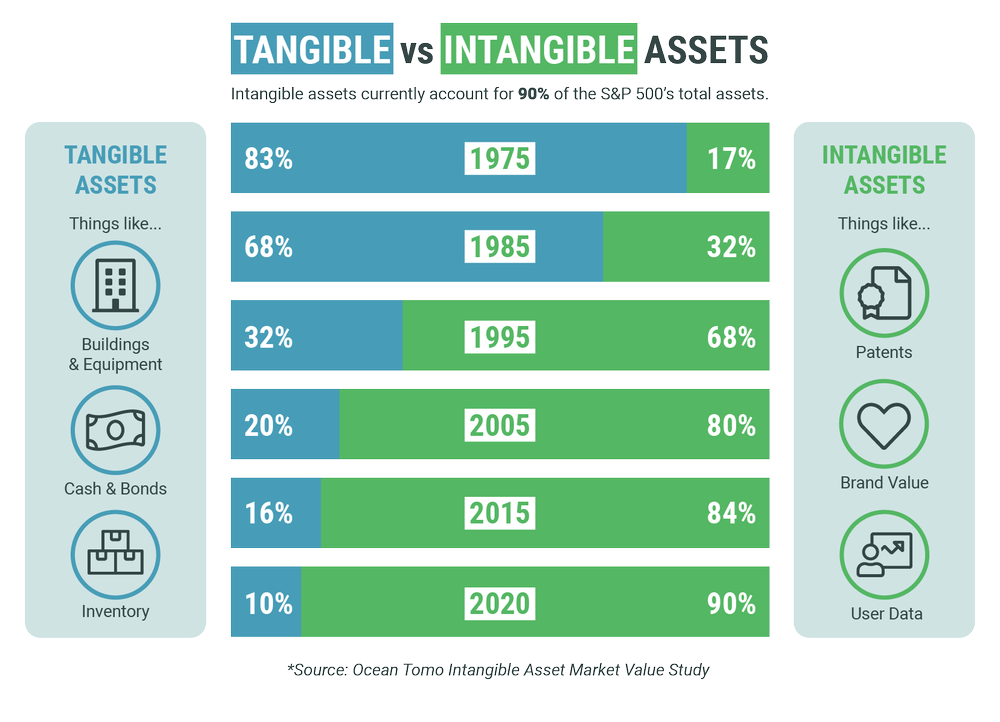
The message is clear: collaboration emerges as the pivotal strategy in an era where knowledge-sharing dominates. It’s comparable to how Kanban and Kaizan revolutionized production processes in the ’80s.
3. Remote Work Dynamics: Navigating Asynchronicity’s Double-Edged Sword
Remote employees and hybrid work models have redefined traditional workplaces. While they offer increased flexibility and potential for multi-tasking, they also pose challenges to collaboration.
The asynchronous nature of hybrid work provides more flexibility, allowing individuals and teams to multi-task more and possibly even be more productive. But this productivity can come at a social cost. With remote teams, our communication becomes much more transactional or said another way – we only connect with others when we need something from them.
This shift risks eroding the crucial elements of trust and psychological safety, which are fundamental for successful collaboration. The absence of spontaneous social connections inherent to in-person workplaces underscores the need to find innovative ways to foster these ties in remote settings.
4. Bridging The Generational Divide
For the first time, we have five distinct generations coexisting in the workforce. The accompanying chart showcases the challenges posed by this diversity. One major hurdle is the digital divide: while one generation are digital natives, having grown up with the internet, others began their careers in a pre-internet era. Addressing this divide is imperative to streamline collaboration across generational lines.
5. Countering Rising Individualism and Divisiveness
In our current society, technology has amplified individualism to an unprecedented scale. A 2019 Harris poll revealed the aspiration of “influencer” tops the career choices of American and British youth, surpassing professions like teaching and sports.
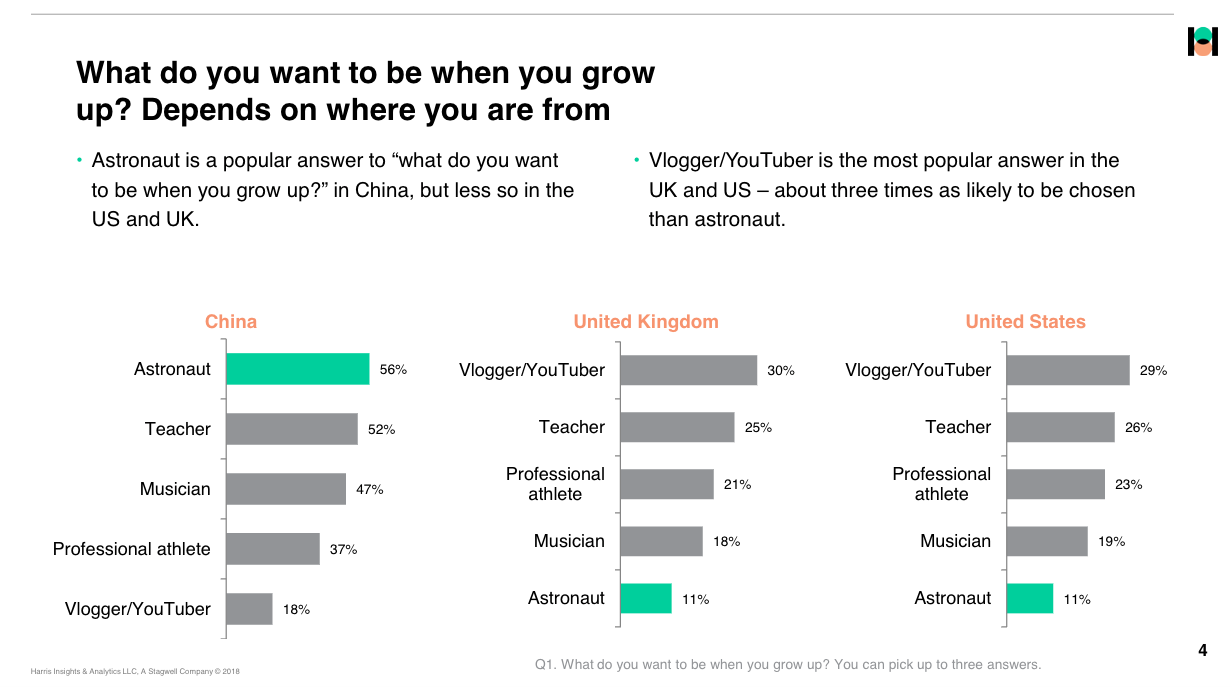
*Results of the Harris Poll survey.
This celebration of individualism and prevalent divisiveness pose a potential barrier to collaboration. As workplaces, there’s a pressing need to cultivate a culture that values collective achievements over individual accolades.

The Cascading Rewards: 3 Benefits of Workplace Collaboration
In the multifaceted ecosystem of the workplace, collaboration is the undercurrent that propels teams to generate value far beyond the sum of individual efforts. There are three foundational benefits of nurturing collaboration throughout the entire team.
1. Better, More Informed Decisions
Decisions formed through collaboration are like diamonds formed under pressure: they become multi-faceted, leading to more well-rounded and comprehensive solutions.
When minds converge to share knowledge, perspectives can intermingle, paving the way for holistic and precise decisions. By avoiding a singular viewpoint, teams can leverage diverse experiences and skills to ensure that choices are well-rounded.
2. Acceleration Of Innovation
The bridge between a good idea and a groundbreaking one is often a shared thought, an improvised solution, or a collective brainstorming session. Collaboration, in essence, becomes the petri dish where creativity meets possibility.
3. Forging a Unified Organizational Culture
It will build trust when individuals collectively tackle challenges, celebrate achievements, and learn from setbacks. A shared journey among teammates can cultivate a culture where mutual respect thrives and individuals celebrate team collaboration.
Unlocking the Power of Your Team: Six Principles of Effective Collaboration
While the significance of collaboration has become universally acknowledged, the actual blueprint for successful collaborative efforts is a mystery for some. However, after observation and experience, there are six quintessential principles that help catalyze collaborative work:
1. Valuing Diversity in Thoughts and Actions
When bound by mutual respect, diverse teams inevitably yield the most innovative solutions. Take my dynamic with my cofounder, Kirsten, as an example. She likes to gather as much input as possible, ever eager to source as many perspectives as possible. Conversely, I prioritize swift decision-making to remove barriers for my team, empowering them to progress. While these approaches might seem at odds, we both value each other’s perspective on the balance between speed and quality, usually arriving at timely and quality decisions.
2. Nurturing Openness and Curiosity For New Ideas
The term “growth mindset” has become somewhat of a catchphrase in recent years, but its essence remains pivotal. Collaboration thrives when people enter the arena with open minds, unburdened by rigid beliefs or personal agendas. Promising projects can derail because one team member can’t look beyond their preconceived notions, leaving others disenchanted.
3. Self-Awareness in The Workplace: A Collaboration Compass
Understanding your natural tendencies and those of your teammates can go a long way toward adjusting and adapting your style to the needs of the collaborative activity. Soft skills help teammates avoid common interpersonal problems, such as making assumptions about motivations or behaviors, to get the most out of one another for the best outcomes.
4. Adaptability in an Ever-Changing Landscape
The speed at which organizations, industries, and societies at large evolve is constantly increasing. These conditions make it extremely important that we know how to be adaptive, which entails performing well in the face of unpredictable and constantly changing environments.
To embrace adaptivity means comfortably pivoting when needed, responding quickly to change, and embracing the new direction. Those who can go with the flow and embrace constant change will thrive, while those who don’t will be frustrated and passed by.
For more on this, read: The Future Workplace Experience: 7 Trends Shaping A New Environment
5. Transparency: The Trust Builder
Trust is a key currency of collaboration. It is the grease that makes the gears turn. When operating in a trusting environment, we feel comfortable sharing and being vulnerable with others. We speak up, take chances, ask questions, and admit mistakes. Transparency is the fundamental building block that creates this sense of trust. If we are guarded and secretive, it allows others to make assumptions about the motivations behind our decisions.
6. Empathy and Emotional Support: Beyond the Professional Facade
We spend half of our waking hours with our colleagues. It is no surprise that these relationships are extremely important to our well-being. To assume that our non-work relationships are our only supportive systems is wishful thinking. Whether we mean to or not, we’re embedded in emotionally-involved relationships with colleagues. Teams that embrace this recognition and handle it with care will be more likely to increase the effectiveness of our collaboration.
In weaving together these principles, any organization can develop collaboration skills into a potent strategy for creating clear goals, increasing employee engagement, and improving retention.

How To Demonstrate Collaboration in the Workplace: A Guide for Leaders and Employees
How can leaders and employees move from understanding the importance of a collaborative environment to actively practicing it? This guide will provide you with actionable steps to demonstrate and encourage collaboration in the workplace.
1. Facilitate Open Communication
For Leaders: Imagine a workspace where employees aren’t just clocking hours but are passionately contributing, where every idea is valued, and every concern addressed. To shape this environment, leaders must champion a culture of inclusivity where people have a voice. This entails the opportunity for teams to discuss ideas openly and assurance that their feedback won’t result in negative consequences.
For Employees: Being part of a collaborative workspace is about more than just doing one’s job. It’s about engaging in meaningful conversations, seeking understanding when tasks are ambiguous, and valuing the perspectives of colleagues. This means taking the initiative to share insights during team meetings, asking clarifying questions when in doubt, and embracing feedback as a tool for personal growth rather than criticism.
2. Practice Active Listening
For Leaders: Envision a team meeting where every spoken word holds weight and importance. As a leader, your role is not just to advise but also to absorb. When team members share, it’s an act of trust. By leaning in, giving undivided attention, and reflecting back on their sentiments with empathy, you send a clear message: every voice matters.
For Employees: Picture yourself in a conversation where you’re hanging onto every word, not because you’re waiting for your turn to speak, but because you genuinely want to understand the narrative unfolding. This kind of listening goes beyond just hearing; it’s about immersing oneself in what others are sharing, sidelining any urge to interject.
3. Foster Diversity Within Teams
For Leaders: Diversity is an operational advantage. Drawing from varied perspectives and experiences can lead to more innovative solutions. Prioritize creating teams that reflect a broad range of backgrounds and skill sets.
For Employees: Everyone brings something unique to the table. By valuing and actively seeking insights from colleagues with different backgrounds and expertise, you better contribute to reaching team goals.
4. Share Goals & Vision
For Leaders: Outlining the company’s vision is more than setting a target—it’s about creating a clear roadmap for reaching a common goal. By openly sharing these plans, leaders can provide teams with clarity on the milestones ahead and how their roles contribute to reaching them.
For Employees: Consider your personal goals as key markers on this roadmap. By ensuring they are in sync with the team’s objectives, each task you undertake drives your progress and advances the organization’s collective mission.
5. Encourage Cross-functional Projects
For Leaders: Instead of thinking in isolated compartments, envision your organization as a network where each component strengthens the other. Initiate projects that intertwine different skills, allowing a seamless flow of ideas and expertise across the company.
For Employees: When tasked with cross-departmental projects, visualize it as an avenue for widening your knowledge and horizons. Engage with peers from different departments, absorb insights from their expertise, and fuse them with your own to enrich the project’s outcome.
6. Leverage Tools To Support Teamwork
For Leaders: Select tools that empower your teams to engage in collaborative work in real-time.
For Employees: Utilize the tools not just as a means to an end but as an intentional way to foster connections, share inspirations, and effectively communicate.
7. Recognize and Reward Collaborative Efforts
For Leaders: Move beyond generic praise. Pinpoint moments where collaboration shines brightly, and illuminate those moments with specific recognition. When teams witness their collective efforts being celebrated, it reinforces the value of the entire team in achieving success.
For Employees: When celebrated for success, always acknowledge your colleagues’ efforts. By highlighting the collective nature of accomplishments, you strengthen team unity and set the stage for more collaboration in the future.
5 Common Barriers To Effective Collaboration At Work
While collaboration stands as a pillar of productivity and innovation, it isn’t without its hurdles. Identifying barriers is the first step to ensuring seamless teamwork. By understanding the underlying causes that hinder collaboration, organizations can proactively address and overcome them.

1. Lack of Clear Communication
Barrier: Misunderstandings can stem from vague instructions, lack of feedback, or insufficient sharing of information.
Overcome: Establish regular check-ins for clarification and training on clear communication. Proactively ask questions, practice employee listening, offer feedback, and consistently document and share information with collaboration tools.
2. Mismatched Goals and Priorities
Barrier: Different teams or individuals may have conflicting objectives.
Overcome: Initiate conversations to collaboratively define mutual objectives, ensuring that all team members understand the broader organizational goals and how their tasks intersect and support one another.
3. Resistance to Change
Barrier: People can be set in their ways and resistant to new methods or tools.
Overcome: Provide workshops or training sessions to share “the why” and benefits. Create a feedback loop where team members can voice concerns and suggest improvements.
4. Lack of Trust
Barrier: A history of unresolved conflicts or competitiveness can erode trust.
Overcome: Focus on building relationships and communicating quickly. Oftentimes, confusion arises simply from a lack of understanding of each other’s unique motivations and ways of thinking.
5. Siloed Departments
Barrier: Teams or departments may become isolated, leading to a lack of collaboration.
Overcome: Encourage cross-functional projects and open-door policies to bridge gaps between departments.
True collaboration is the backbone of any thriving organization. It’s not enough to spot barriers; proactive intervention is key. Drawing on the qualities of successful collaboration not only provides a direction but also strengthens an organization’s foundation.
Remember, a unified approach not only enhances productivity but also fosters a workplace culture where every voice has the potential to drive innovation.
Conclusion: Creating a Collaborative Company Culture
Collaboration isn’t merely a buzzword for contemporary workplaces; it’s a fundamental shift in how we think, create, and grow together. As we’ve explored, the manifold benefits of collaboration — from driving innovation to fostering a united organizational culture — are crucial in today’s environment.
For leaders, the challenge is twofold: foster an environment conducive to collaboration and embody the principles of adaptive leadership. This approach, which values flexibility, responsiveness, and a willingness to learn, is the linchpin in creating a truly collaborative culture.
Cloverleaf Is A One-Stop-Shop For Scaling Self & Other Awareness In An Organization