
Talent Development Leaders play an essential role in helping their team develop soft skills (human skills) by sharing time-testing learning and concepts. This information provides foundational knowledge and skills that are essential for employee growth. However, one of the ongoing challenges in learning and development is ensuring that the valuable insights gained from these sessions are retained and effectively applied in everyday work.
We have access to more information than ever before, yet the changing nature of work, pressing problems to solve, and focus on productivity can quickly outpace the ability to retain new learning. Even before these more modern challenges made it harder to focus and acquire knowledge, there were models about learning that showed a typical erosion of knowledge days after learning. The human mind can only process a limited amount of information, most of which never makes it to long-term memory.
Does Learning and Development Need To Adapt?
Learning methods provide so much valuable information, but how do you make it stick? Training often involves ongoing sessions, but what about when these are not available or happening? Learners may forget or struggle to apply.
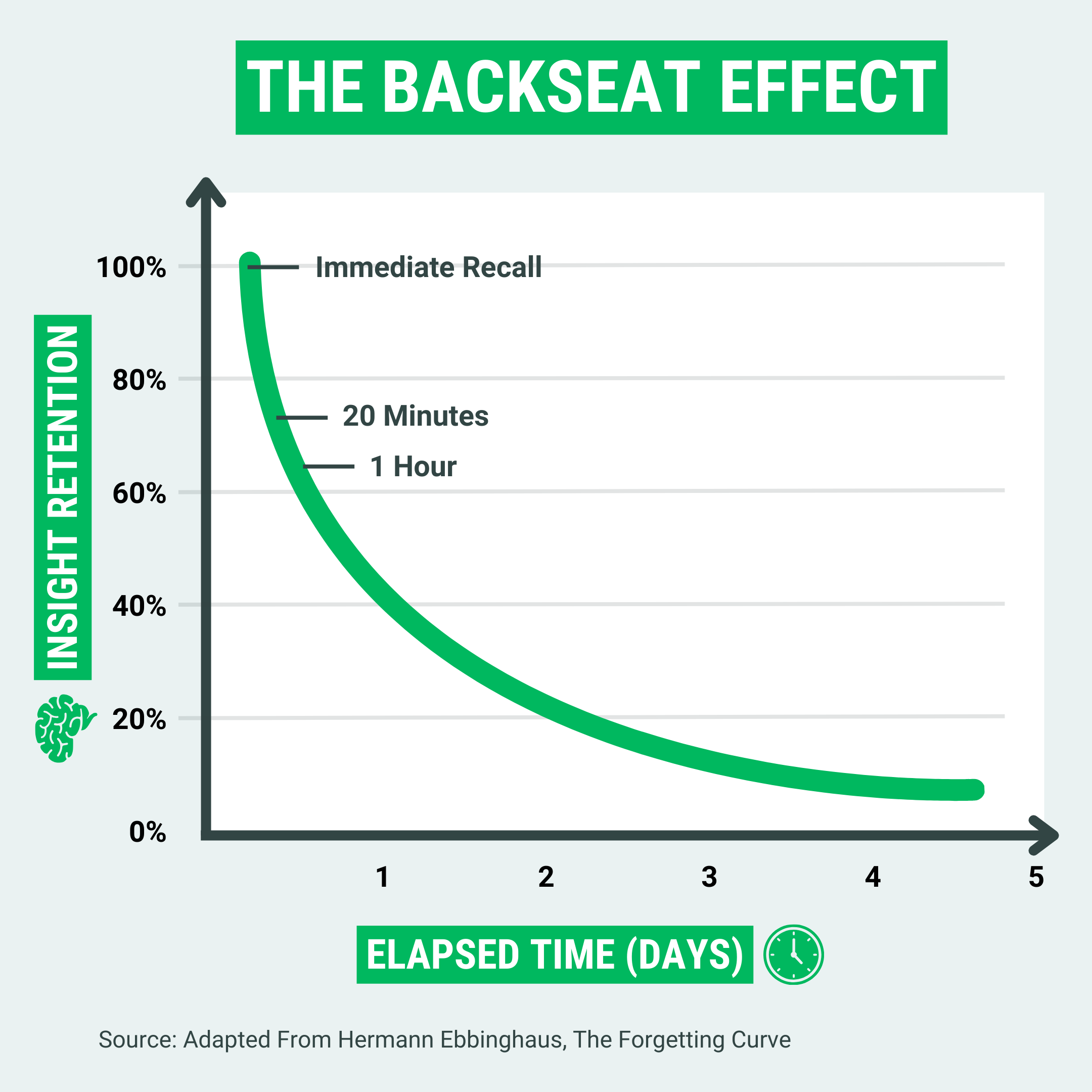
This was famously measured and proven by one of the most influential early experiments in psychology. Between 1880 and 1885, Hermann Ebbinghaus studied how much information can be retained after specific intervals of time. He found that within 20 minutes of studying new information, 40% is already forgotten, rising to nearly 70% by the end of that first day (Murre & Dros, 2015). This study has since been replicated numerous times, all with similar results, and that is after studying information with intentional attempts to remember it.
The approach to development is ripe for change so that it can align with how our brains process and retain information.
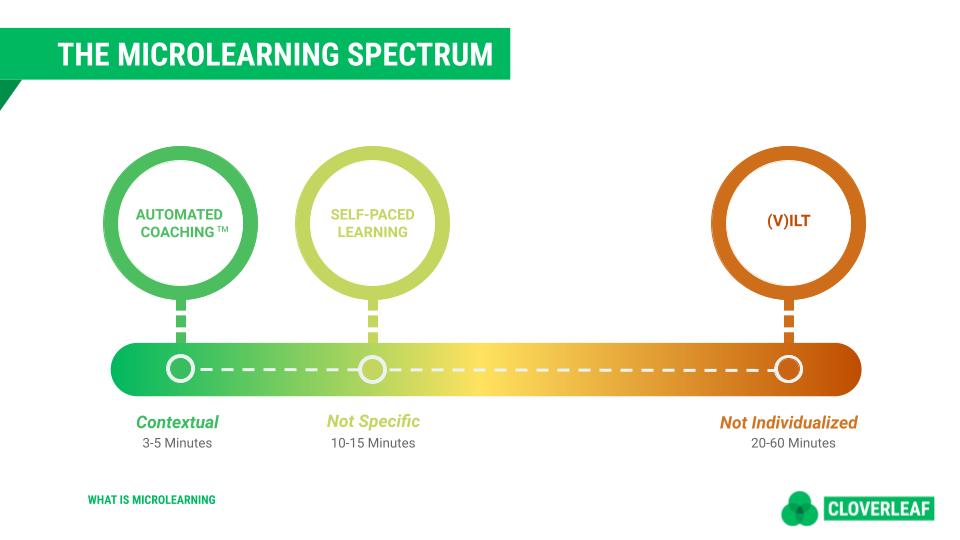
Enter the concept of micro-nudges, an approach to learning and development that seamlessly integrates into the daily workflow of employees. Micro-nudges are brief, focused prompts that facilitate continuous learning and improvement without the cognitive overload associated with traditional methods.
Nudges can leverage contextual, situational prompts to encourage behaviors and actions that align with organizational goals and individual development paths. Providing small, digestible pieces of information right when they are most relevant enables a more natural and effective understanding and application of new knowledge.
HUMAN SKILL PROGRAMS ARE HITTING LIMITATIONS...
5 THINGS THIS FREE RESOURCE WILL TEACH YOU
- Close the widening gap between learning and on-the-job application
- Overcome the tension of pausing productivity for development opportunities
- Integrate learning so it is actually in the flow of work
- The evolution of human skill development
- What Automated Coaching™ is and how it works.
Why Are Micro Nudges More Effective For Employees?
Micro-nudges represent a tailored solution to the challenges traditionally associated with learning and development, particularly the problems of information overload and rapid forgetfulness post-training. By addressing these issues head-on, micro-nudges enhance the learning experience, making it more effective and impactful.
Consider what it’s like to use some of the most popular strengths and behavioral assessments such as Myers-Briggs®, DISC, CliftonStrengths®, or Enneagram. Most assessment results are delivered as an overwhelming, one-time data dump in the form of a 30-page PDF report.
Most people will say they gleaned a key epiphany about themselves but can’t remember their result type. One epiphany is helpful, but 99% of the value is lost.
This happens so often that the trade has a nickname for this problem—the backseat effect—whereby detailed assessment reports are never fully internalized and tossed into the backseat of one’s car. Not because the reports aren’t thoughtfully constructed or lack insight but because they are simply too much information to handle at once.
A better approach entails using automated micro-nudges, where actionable insights are delivered in small doses over a long period of time. For example, Automated Coaching™ uses this approach by delivering assessment-derived recommendations via organizational communication channels (e.g., email, Slack, Teams) on how employees should approach their tasks or interactions with teammates.
Nudges can transform hard-to-retain information into an integrated learning process that aligns with the principles of how people best learn and adapt.
Are Nudges The Solution To The Challenges Of Human Skill Development?
1. Soft Skill Development Is A Dynamic Process
There is an assumption that soft skill development is sequential and upward, whereby individuals start at a lower level of competency and progress towards a pinnacle destination. While this scaffolding approach works for technical skills, it breaks down for soft skills.
The process of soft skill development is fluid—you start in situ, with varying levels of competence across an ever-evolving list of knowledge, skills, and abilities that matter in some contexts but not others (Day & Dragoni, 2015). Therefore, when it comes to developing human skills, it must move from a static experience to a dynamic experience.
Nudges provide timely, situational guidance that allows individuals to apply and refine these skills in real-time, adapting to the evolving demands of different workplace scenarios.
2. Soft Skill Development Must Be Highly Personalized
Organizations typically approach soft skill initiatives as if everyone is similar with respect to their psychographics (e.g., traits, strengths, cognitive abilities, worldviews, etc.) and their interest in development in general (e.g., motivation to learn, leader identity, self-efficacy). While designing for the mean is efficient, it’s not effective. The goal, instead, should be to assume variability across individuals (Rose et al., 2013) and, in turn, move from overgeneralized insights to personalized insights.
For example, Automated Coaching counters this problem by offering personalized insights tailored to the unique psychographics of each individual, such as their traits, strengths, and cognitive abilities. By integrating data-driven insights into personalized nudges, learners receive specific, relevant guidance that respects their individual differences and developmental needs.
3. Soft Skill Development Must Be Actionable
Soft skill development typically happens as a one-time initiative (e.g., workshop, training, coaching session, etc.) where participants are inundated with recommendations. This approach is misaligned with information processing theory, which suggests that human beings can only process and retain a limited amount of information in one setting (Atkinson & Shiffrin, 1968).
Nudges address this challenge by breaking down information into smaller, manageable insights delivered at the point of need. To fully optimize developmental resources (e.g., time, money, energy) necessitates an approach that moves from being overwhelming to one that is digestible and actionable.
Nudges Can Make Human Skill Development A Light Lift For Leaders
In total, the problem is that soft skill development is currently a static, overgeneralized, and overwhelming experience but should instead be a dynamic, personalized, and actionable experience.
Micro-nudges are promising given that research suggests that learning and behavior regulation are optimized when the experience is customized to individuals’ characteristics and needs, situationally adaptive, integrated within one’s flow of work, and available on demand (Maity, 2019). Human beings can’t accommodate these features at scale, but technology-derived micro-nudges certainly can (Kurzweil, 1990).
Those in charge of assessments need to be realistic. People can’t internalize information like super-computers. The goal should be to deliver digestible nuggets of information at the right time and in the right place. Addressing individuals’ specific needs and contexts, micro-nudges help transform the approach to soft skill development from a burdensome task into a series of manageable, impactful interactions that promote sustainable growth and meaningful engagement in the workplace.
Proven Behavior Change Through Coaching Nudges
One of the most compelling validations for the use of micro-nudges in talent development comes from recent research findings associated with Automated Coaching™. Studies have shown that micro-nudges significantly boost self-reflection, enhance the desire for self-knowledge, and improve the capability to handle complex challenges.
Impact on Self-Reflection and Self-Knowledge: Micro-nudges are specifically designed to prompt individuals to think critically about their immediate actions and how these align with their longer-term goals and professional growth. This continual engagement not only reinforces learning but also fosters a deeper understanding of one’s strengths and areas for improvement.
Enhancing Capability to Handle Challenges: By providing real-time, contextual feedback, micro-nudges empower employees to apply soft skills in various situations, from resolving conflicts to collaborating effectively with diverse teams.
Contextualized Nudges Make Scaling Human Skills A Real Possibility
One of the most significant advantages of micro-nudges is their ability to provide real-time, contextualized feedback. This type of feedback is crucial because it ties directly into the immediate tasks or challenges employees face. By integrating learning directly into the flow of work, micro-nudges ensure that training is not only more relevant but also immediately applicable.
Moreover, micro-nudges allow for a dynamic learning experience that evolves with the needs of the employee. Automated Coaching is designed to deliver information in a way that the human brain best processes and retains data: little by little and just at the right time.
The effectiveness of micro-nudges is also evident in their capacity to encourage behaviors and actions that align with organizational goals and individual development paths. By providing small, digestible pieces of information at critical moments, micro-nudges enable a more natural and effective understanding and application of knowledge, which is vital for personal growth and organizational success.
Navigating the dynamic and complex terrain of today’s workforce, the spotlight has increasingly indicated that soft skills are in-demand. Often regarded as the holy grail of recruiting, soft skills encompass emotional intelligence and interpersonal skills such as communication, empathy, and adaptability. These skills have emerged as some of the most sought-after qualifications that team members can bring to the table.
A LinkedIn survey revealed that more than half of nearly 300 hiring managers identified a deficit in soft skills among job candidates, acknowledging that this gap is potentially hindering their company’s productivity. Consequently, recruiters are thinking outside the box, seeking innovative ways to identify new hires proficient in communication, time management, negotiation, writing, listening, problem-solving, and decision-making. These soft skills, rooted in intuitive emotional intelligence (EQ), are increasingly being recognized as a more reliable predictor of success compared to hard skills, which can be learned and developed through training.
But what makes these skills such a powerful predictor of success? And how can organizations ensure these invaluable skills are considered? In this article, we will delve into the nuances of hard skills and soft skills, exploring their meanings, differences, examples, and their critical impact in the workplace.

Decoding The Difference Between Hard and Soft Skills
In the world of work, skills are the building blocks that construct a successful organization. To lay a strong foundation and build upward, it’s crucial to grasp the nuances of both hard and soft skills.
So, what sets hard skills apart from soft skills? It’s the way we acquire and apply them. Hard skills are often learned through formal education and training, verifiable and straightforward. On the other hand, soft skills are subtler often honed through experience and interpersonal interactions.
What are hard skills and soft skills?
Hard skills are the technical expertise required to perform specific tasks efficiently, while soft skills enable you to navigate emotional and social interactions at work. Hard skills, such as computer programming or data analysis, are quantifiable and essential for particular roles. In contrast, soft skills, such as communication and teamwork, are interpersonal traits that influence how we engage with others and are universally applicable across professions.
Meaning of Hard Skills:
Have you ever marveled at a meticulously crafted spreadsheet or admired the precision of well-coded software? That’s the work of hard skills in action. Hard skills are those tangible, teachable abilities or knowledge sets that are quantifiable. These are skills you can usually learn in a classroom, online course, or through books and manuals.
Consider a surgeon’s dexterity with the scalpel, a coder’s mastery of programming languages like Python, or an accountant’s proficiency with Excel. These are all hard skills – measurable, teachable, and crucial in their respective fields.
Meaning of Soft Skills:
But what about those moments when a calming voice diffuses a heated meeting or when a team rallies together to meet a tight deadline? That’s the realm of soft skills. Soft skills, often intertwined with personal characteristics, are those intangible qualities that influence how we interact with others.
Think of empathy in a nurse, effective communication by a manager, or the creative problem-solving prowess of a team leader. These skills may not be listed on a certificate but are equally vital in navigating the workplace successfully.
The Case for Soft Skills In The Workplace:
In an era where collaboration and adaptability are paramount, soft skills are the linchpin that holds together the complexity of a successful organization. They foster a harmonious environment conducive to teamwork, boosting both efficiency and innovation.
Imagine a product team scrambling to meet a tight deadline. It’s the project manager’s adaptability and the team’s collective collaboration that ensures a smooth workflow amidst chaos. Picture a customer service representative transforming a potential conflict into an opportunity through empathy and effective communication. These scenarios underline the critical role of soft skills in navigating the complexities of the workplace.
Soft Skills Are Indispensable:
Soft skills are not just preferred; they’re indispensable across companies and industries. A survey by the Wall Street Journal of 900 executives revealed a staggering 92% believed soft skills were either equally important or more crucial than technical skills. However, a significant 89% faced challenges in finding individuals embodying these skills.
LinkedIn’s 2018 Workforce Report echoes similar sentiments, spotlighting leadership, communication, collaboration, and time management as the most sought-after soft skills.
Daniel Goleman, author of Emotional Intelligence at Work, would agree. His research spanning 500 executives concluded that emotional intelligence, a conglomerate of soft skills, outweighed experience or IQ in predicting top-notch performance. CEOs at leading companies like Amazon and Xerox, known for championing emotional intelligence in the workplace, have meticulously woven soft skills into their corporate fabric.
Yet, the benefits of soft skills training extend beyond creating a fulfilling work culture. There’s a tangible link between profitability and leaders with elevated emotional intelligence. A study showcased that CEOs, high on character ratings by employees, yielded an impressive average return of 9.35% over two years. This is nearly quintuple compared to companies led by CEOs with lower character ratings.
While the case for developing soft skills is compelling, striking the right balance is crucial. Good leadership skills must harmonize with meticulously honed talents and hard skills.
HUMAN SKILL PROGRAMS ARE HITTING LIMITATIONS...
5 THINGS THIS FREE RESOURCE WILL TEACH YOU
- Close the widening gap between learning and on-the-job application
- Overcome the tension of pausing productivity for development opportunities
- Integrate learning so it is actually in the flow of work
- The evolution of human skill development
- What Automated Coaching™ is and how it works.

The Significance of Hard Skills In The Workplace
In a rapidly evolving technological landscape, hard skills can anchor an organization in competence and expertise. While soft skills are undeniably invaluable, the precision, specialization, and quantifiable knowledge that hard skills bring are irreplaceable.
Consider a cybersecurity analyst meticulously thwarting a network breach or an architect skillfully utilizing software to design an intricate structure. In these scenarios, the prowess of hard skills is undeniable and indispensable.
In pursuing emotional intelligence, it’s essential to pause and ponder: Have some thought leaders leaned too far into the realm of EQ at the expense of technical expertise? Cal Newport, author of So Good They Can’t Ignore You, suggests that perhaps there’s an overcorrection unfolding.
Newport advocates for the indispensable nature of hard skills, underscoring that a flourishing career is often rooted in becoming an authority in a specific domain. Fields, especially those entrenched in technology and specialized knowledge, seek individuals with a niche set of skills and technical acumen. Newport contends that mastery in a particular field not only secures your market position but also paves the way for greater control and satisfaction in one’s career.
Icons like Steve Jobs and Bill Gates embody the trajectory where technical mastery eventually evolved into influential leadership. However, it’s noteworthy that while many may possess the foundational hard skills to steer a company, they may initially lack soft skills, such as active listening. Exceptional leaders often begin their journey with expertise and progressively cultivate their emotional intelligence and soft skills.
Personal and Professional Development Is A Blend Of Both Skills
In essence, the journey from expertise to leadership isn’t linear but rather a merging of hard and soft skills. While mastery in a field lays the groundwork, the continuous development of soft skills can elevate an expert to a leader.
The Synergistic Blend Of Hard Skills Meet Soft Skills
While hard and soft skills may seem worlds apart, they often converge seamlessly in a professional setting, creating a dependability upon each other that drives success. By understanding the juxtaposition and complementary nature of these skills, one can appreciate how they collectively contribute to an individual’s and an organization’s growth.
For example, consider a software engineer (hard skill) who can articulate complex technical issues to a non-technical audience (soft skill), or a financial analyst who can crunch numbers (hard skill) and then strategically communicate insights for decision-making (soft skill) to their co-workers. In these scenarios, integrating both skill sets is evident and vital.
Navigating professional environments requires a careful balance between technical know-how and interpersonal dexterity. By appreciating the distinct contributions of hard and soft skills, professionals can cultivate a well-rounded approach to their career growth and organizational impact.
7 Soft Skills vs. Hard Skill Examples
1. Graphic Designer (Hard Skill: Graphic Design) & Team Collaboration (Soft Skill: Collaboration)
- A graphic designer crafts visually stunning designs using tools like Adobe Illustrator (hard skill). Simultaneously, they effectively collaborate and iterate based on team feedback (soft skill).
2. Data Scientist (Hard Skill: Data Analysis) & Effective Communication (Soft Skill: Communication)
- A data scientist excels in interpreting data using Python(hard skill) and succinctly presents data-driven insights to stakeholders (soft skill).
3. Project Manager (Hard Skill: Project Management) & Emotional Intelligence (Soft Skill: Emotional Intelligence)
- A project manager adeptly uses project management software to keep tasks on track (hard skill) while empathetically addressing team concerns and fostering a positive work environment (soft skill).
4. Marketing Specialist (Hard Skill: SEO Optimization) & Creativity (Soft Skill: Creativity)
- A marketing specialist ensures content is SEO-optimized using tools and analytics (hard skill) while also practicing critical thinking to creatively capture audience interest (soft skill).
5. Customer Service Representative (Hard Skill: Customer Relationship Management Software) & Active Listening (Soft Skill: Listening)
- A customer service representative efficiently navigates CRM software to manage customer interactions (hard skill) while actively listening and empathizing with customer concerns (soft skill).
6. Surgeon (Hard Skill: Surgical Procedures) & Patient Care (Soft Skill: Empathy)
- A surgeon performs intricate surgical procedures precisely (hard skill) and demonstrates care and communication skills while interacting with patients and their families (soft skill).
7. Salesperson (Hard Skill: Sales Techniques) & Relationship Building (Soft Skill: Relationship Building)
- A salesperson applies strategic sales techniques to meet quotas (hard skill) while building lasting relationships with clients through trust and rapport (soft skill).
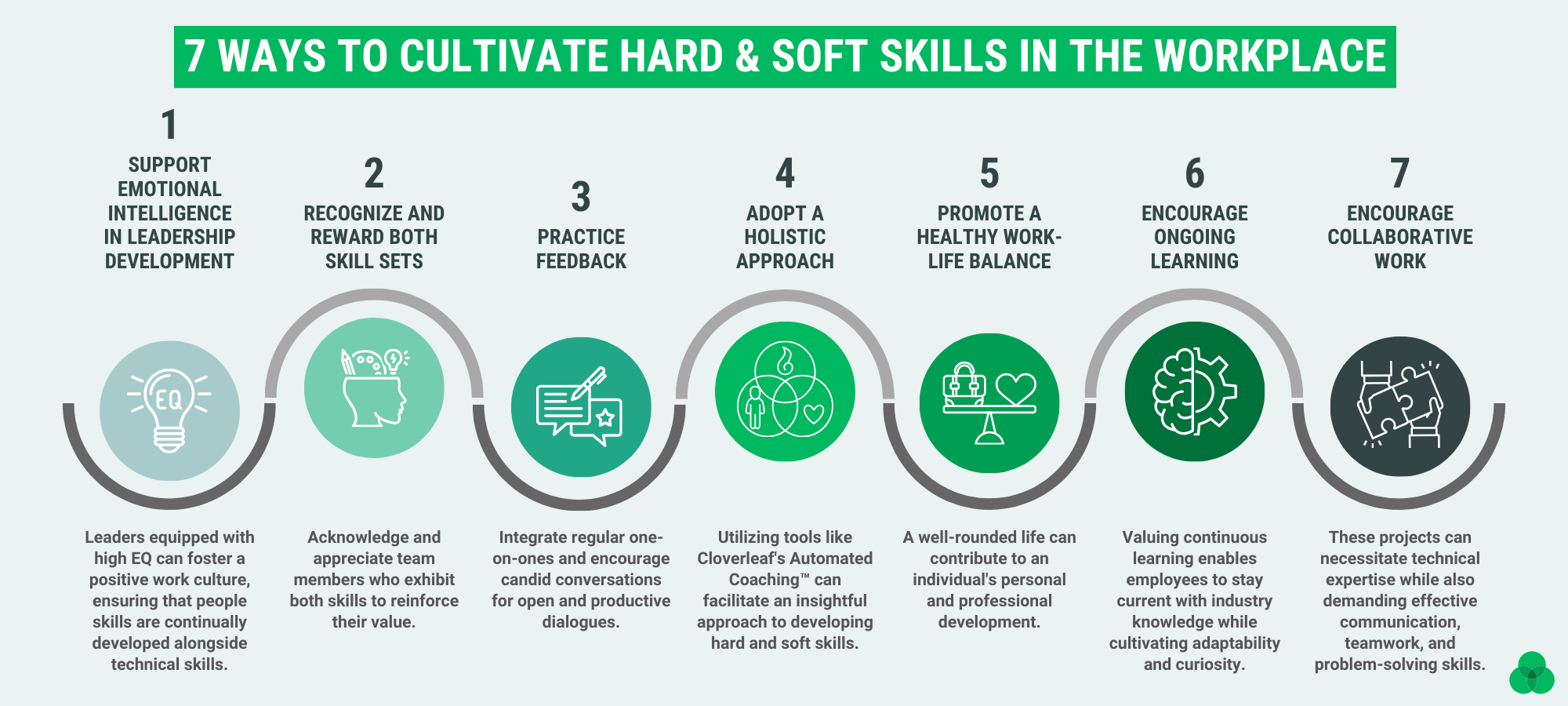

Cultivating The Whole Person: Merging Technical Prowess with Emotional Acumen
In the realm of professional development, striking a harmonious balance between hard skills and emotional intelligence is pivotal. However, as soft skills can be elusive on a resume and complex to delineate in a job description, leaders often find it challenging to identify and nurture these attributes effectively.
Companies with low turnover rates have cracked the code in developing both skill sets within their employees, creating a thriving and productive work environment. Below are three vital practices to strengthening these skills within your culture:
1. Support Emotional Intelligence in Leadership Development:
Leadership training should underscore the importance of emotional intelligence. Leaders equipped with high EQ can foster a positive work culture, ensuring that the people skills of their team members are continually developed alongside technical skills.
2. Recognize and Reward Both Skill Sets:
Acknowledging and appreciating employees who exhibit a fine balance of hard skills and emotional intelligence can set a benchmark for others, promoting a culture of balanced professional development.
3. Practice Feedback:
Regular assessments can provide valuable insights into an employee’s progress in both hard and soft skills. By integrating regular one-on-one sessions and encouraging candid conversations, employees and leaders can engage in open and productive dialogues.
Cloverleaf: A Holistic Approach to Development:
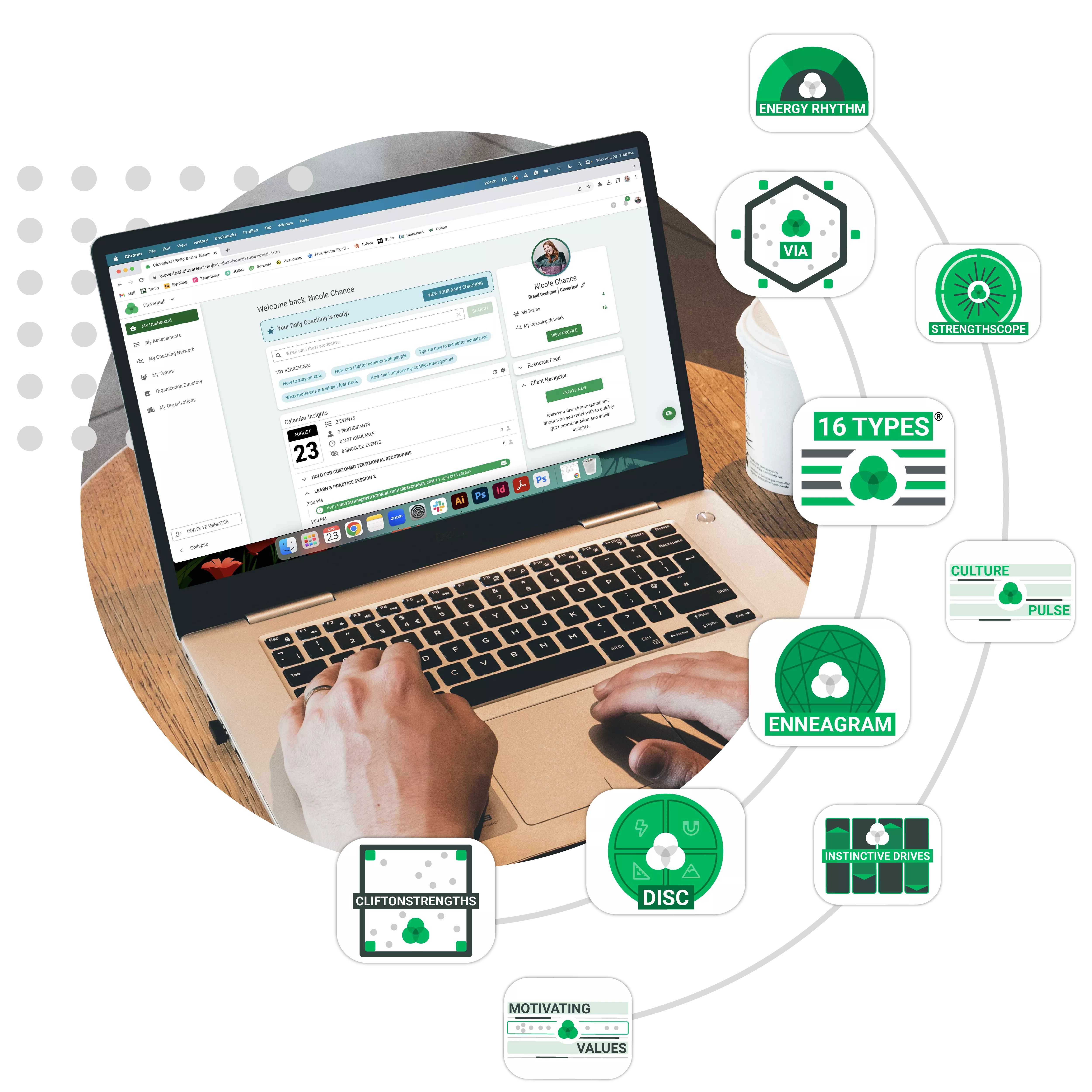
Tools like Cloverleaf’s Automated Coaching™ take a unique approach by using assessment data to provide digital nudges that enhance performance. These nudges can be pivotal in refining both hard and soft skills.
Here’s how:
1. Effective Communication: Cloverleaf helps team member’s communication resonate the first time, every time.
2. Navigating Challenges: Resolving uncertain situations and difficult conversations can be painful without understanding what makes one another tick. Cloverleaf equips you with the necessary insight about yourself and others to overcome conflict quickly.
3. Personal Growth: By highlighting strengths and recognizing the skill sets of those on your team, collaboration becomes much easier. Cloverleaf gives you the know-how to seamlessly integrate hard and soft skills so that team members can complement each other’s expertise.
Cloverleaf is designed for organizations seeking to bolster employee growth through assessments and coaching. It provides critical insights that drive development, aiding individuals in understanding themselves and their colleagues.
Final Thoughts
The future of work is not a choice between hard skills and soft skills but rather a syncing between the two. By fostering an environment where skill development meets emotional acumen, companies will not only enhance productivity but also enrich the work experience for their teams.
References
- Claessens, B. J., Van Eerde, W., Rutte, C. G., & Roe, R. A. (2007). A review of the time management literature. Personnel Review.
- Gaskin, J. E., & Skousen, T. (2016). Time-chunking and hyper-refocusing in a digitally-enabled workplace: six forms of knowledge workers. Frontiers in Psychology, 7, 1627.
- Macan, T. H. (1994). Time management: Test of a process model. Journal of Applied Psychology, 79(3), 381.
In today’s dynamic work environment, marked by globally dispersed teams and remote collaboration, self-awareness has transformed from a psychological concept into a business imperative. It’s no longer just about personal well-being or mental health; it directly impacts productivity, job satisfaction, and the organization’s bottom line.
Leaders in organizations set the tone for modeling self-knowledge. Their ability to understand their emotions, biases, strengths, and weaknesses and how these aspects affect their interactions and decision-making processes is critical.
What Is Self-Awareness In The Workplace?
Self-awareness in the workplace is about tuning into your emotions, strengths, and behaviors and understanding their impact on others.
It’s a practical skill that boosts communication, decision-making, and teamwork. Knowing your values and behavioral patterns can help contribute to a more effective, collaborative, and positive work environment.
A high level of self-awareness allows leaders to be authentic, which, in turn, fosters trust within teams. A leader who is genuine, unafraid to admit mistakes, and humble enough to leverage the team’s collective strengths is likely to create an environment of openness and collaboration.
This sense of authenticity inspires reciprocity. When a leader is authentic, team members feel more comfortable being authentic.
What about individual contributors, though? The role of self-understanding doesn’t diminish when we shift our focus from individual contributors might argue it becomes even more crucial. Self-awareness in these roles equates to understanding one’s own strengths and weaknesses, recognizing triggers, and being aware of the effects one’s actions can have on the work environment.
Key Takeaways:
- Self-awareness has evolved into a business imperative that influences productivity, job satisfaction, and the bottom line, transcending its psychological roots.
- Leaders play a pivotal role in fostering self-awareness, setting the tone for organizational culture and employee engagement by embodying self-knowledge and authenticity.
- Assessments and tools can help foster self-awareness in the workplace, enhancing understanding of individual strengths, weaknesses, and work styles.
- The cultivation of self-awareness at all levels of an organization can enhance individual performance, agile leadership, and, ultimately, the organization’s bottom line.
Just like someone using GPS to navigate, being self and others aware at work helps individuals steer through professional interactions without getting ‘lost.’
Being mindful goes beyond the self—it involves understanding the perspectives of others, being aware of the team’s collective strengths, and recognizing the different mindsets of co-workers.
When emotional intelligence becomes part of the company culture, it can transform all employees’ work-life balance, well-being, and satisfaction. But, the road to cultivating self-awareness isn’t always smooth.

4 Challenges to Self-Awareness in the Workplace
Promoting self-awareness can be a complex process. One such challenge lies in the cultural fabric of the organization itself. An organization’s culture can either nourish personal growth or squash it.
A culture promoting learning and openness encourages employees to understand their personal strengths, recognize their weaknesses, and work on their professional development. Such a culture facilitates employees to be more conscious of their own actions and behavior to create stronger relationships within the team.
Leaders who want to promote self-understanding within an organization often face hurdles. These roadblocks can hinder the growth of individuals if the culture is adverse to change.
To navigate these challenges, it is essential to understand and acknowledge them first:
1. Organization Culture: An environment that encourages silos and secrecy will hinder self-reflection. It inhibits the open exchange of ideas and feedback, which is essential for personal growth.
2. Unconscious Biases: These biases can color our perception of ourselves and others, thus skewing our understanding and preventing us from gaining a clear self-view.
3. Ego: Egos can often act as a barrier. They can prevent us from acknowledging our own emotions or shortcomings and accepting our areas of improvement.
4. Fear of Feedback: The fear of negative feedback or criticism can keep us from seeking the valuable insights we need for growth.
The role of leadership is pivotal in the process of promoting self-awareness. According to Gallup®, managers account for up to 70% of the variance in employee engagement.
Without leaders understanding their behavior and its impact on culture and business outcomes, the organization can become chaotic. A leader’s awareness helps set the stage for organizational health and an engaging employee experience.
Do You Want To Grow Self Awareness In Your Workplace?
Find Out How To Quickly:
- Make development available to each team member
- Personalize growth to individual strengths and needs
- Integrate learning so it is actually in the flow of work
- Scale human skills that accelerate teamwork
- Prove the ROI of your development programs

How To Ignite Self-Awareness In Employees
Promoting self-awareness in a corporate setting can seem like a daunting task. It always helps when an individual has an intrinsic motivation to elevate their emotional intelligence in the workplace.
In the book The Leadership Challenge, authors Kouzes, and Posner studied leadership across industries and cultures and identified five practices of exemplary leadership. The first practice is to “Model the Way.”
Great leaders promote self-awareness by exhibiting it. Organizations offer learning and development opportunities, career pathing, and an internal standard of being an effective leader in this workplace.
Let’s break this down and explore specific strategies that both leaders and individual contributors can adopt to foster self-awareness:
3 Tips For Leaders:
- Seek Feedback Regularly: Leaders should actively solicit feedback from their teams. This can help them understand how their actions and decisions are perceived, providing valuable insights for self-improvement.
- Practice Mindfulness: Being mindful and present in every interaction allows leaders to observe their behavior and its impact on others more effectively.
- Self-evaluation: Regular self-assessment can help identify areas of strength and improvement, contributing to a deeper understanding of oneself.
3 Tips For Individual Contributors:
- Seek Mentorship: A mentor can provide an external perspective, helping individuals better understand their strengths and weaknesses.
- Practice Active Listening: By understanding others’ perspectives, individuals can cultivate empathy and increase their awareness of others’ experiences and needs.
- Cultivate Empathy: Developing empathy can enhance understanding of others, promoting better teamwork and collaboration.
Everyone within the organization should be given opportunities to develop self-awareness skills. Leaders can facilitate this growth by empowering and supporting each team member. After all, a self-aware team can contribute significantly to a positive working environment, enhance collaboration, and ultimately drive organizational success.
How Can Self Awareness Be Applied In The Workplace?
Applying self-awareness in the workplace involves regularly reflecting on personal emotions, strengths, and behaviors and understanding their impact on team dynamics and decision-making. It’s about actively seeking feedback, being open to learning, and adjusting behaviors for better collaboration and communication.
Leaders can encourage self-awareness by creating an environment of trust and openness where employees feel safe to express themselves and learn from their experiences. This approach leads to a more empathetic, cohesive, and effective workplace, where everyone knows their contributions and impact on the team and organizational goals.
10 Ways To Apply Self-Awareness At Work
1. Tailor Communication: Use your self-awareness to adapt how you communicate. If you know you’re a direct communicator, you might soften your approach when dealing with more sensitive topics or colleagues who prefer a gentler communication style.
2. Manage Reactions: Knowing your triggers, you can better control your reactions. For instance, if tight deadlines stress you out, you can plan or communicate your concerns early.
3. Play to Your Strengths: Recognize what you’re good at and volunteer for tasks that align with your strengths. This not only boosts your confidence but also increases your efficiency and effectiveness.
4. Acknowledge Weaknesses in Team Settings: Openly acknowledge areas you’re working on in team discussions. This honesty fosters trust and encourages others to share, creating a supportive team environment.
5. Adjust to Others’ Work Styles: Understanding your preferences can help you better adapt to others’ styles. For example, you might compromise with a quick call if you prefer email, but a colleague likes face-to-face meetings.
6. Enhance Decision-Making: Use self-awareness to recognize biases in your decision-making process. This can help you make more balanced and fair decisions.
7. Set Realistic Goals: Knowing your capabilities helps set achievable goals. This avoids overcommitment and under-delivery, leading to more consistent performance.
8. Improve Conflict Resolution: Understanding your conflict style – whether you tend to avoid, want a competitive edge, or find ways to mediate – can help you navigate disagreements more effectively.
9. Seek Roles That Suit You: Use your self-awareness to guide your career path. Choose roles that align with your values, interests, and skills.
10. Foster a Positive Work Environment: By being aware of your mood and its impact on others, you can contribute to a positive, energizing work culture.
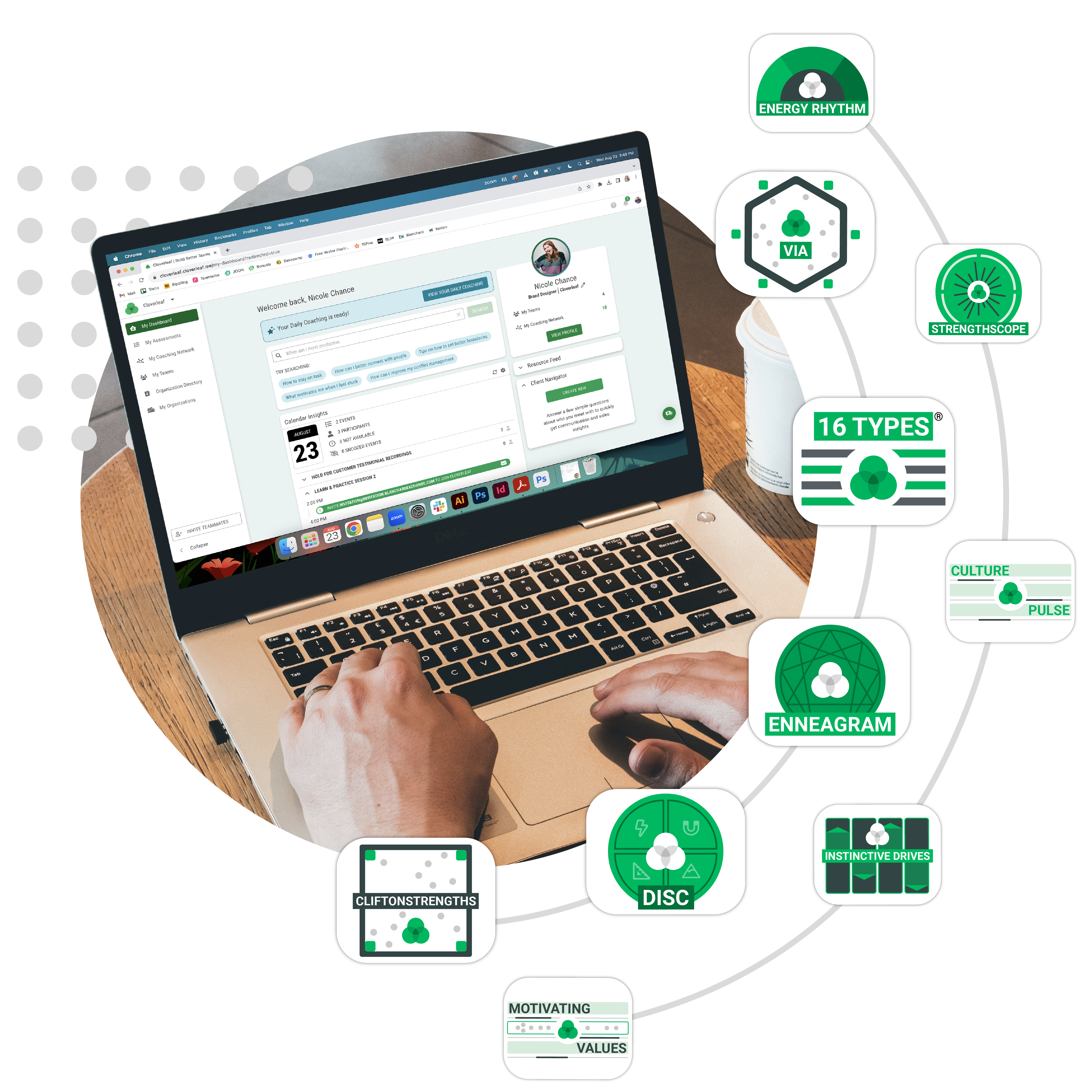
Leveraging Assessments And Tools For Greater Self-Awareness In The Workplace
Assessments and personal development tools play an indispensable role in fostering self-awareness in the workplace. These resources help individuals identify their strengths and weaknesses and provide insights into diverse work and communication styles.
Top Personality Tests For Employees
Utilizing personality assessments can help employees better understand their working styles, strengths, and areas for improvement to foster collaboration within the team. Here are the top five assessments that can significantly enhance performance in the workplace:
16 Types (MBTI): This tool helps identify personality types based on four dichotomies: Extraversion-Introversion, Sensing-Intuition, Thinking-Feeling, and Judging-Perceiving. Understanding these aspects can help individuals recognize their preferences in perceiving the world and making decisions.
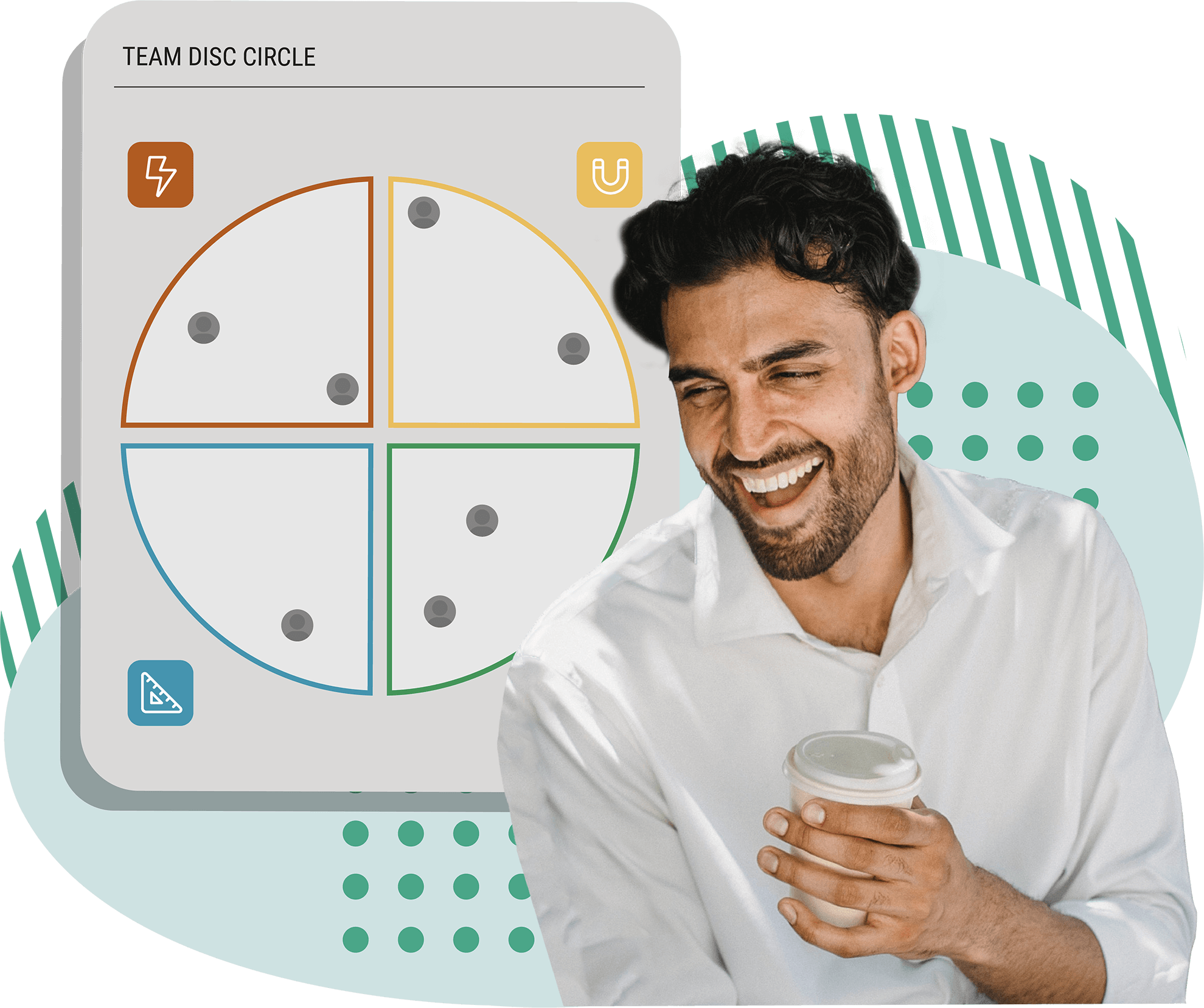
DISC: DISC measures an individual’s Dominance, Influence, Steadiness, and Conscientiousness, helping teams understand their dynamic better and enabling more effective communication, feedback, and collaboration.
Enneagram: The Enneagram personality test identifies individuals’ basic fears and desires, helping them understand their motivations and behaviors better.
CliftonStrengths®: This assessment helps individuals identify their top talents, allowing them to leverage these strengths for better performance and satisfaction at work.
VIA: Character Strengths: The VIA survey helps individuals identify their dominant character strengths.
Cloverleaf: A One-Stop-Shop For Scaling Self & Other Awareness In An Organization
Cloverleaf is an all-in-one tool that uses the most popular and validated assessments to help teams understand each other better, identify individual strengths, and experience personal growth.
Cloverleaf’s user-friendly dashboard offers insights into side-by-side assessment comparisons, strengths and blindspots, and team dynamics all in one place.
Teams using Cloverleaf have reported significant improvements: a 41% increase in strength awareness, a 24% increase in psychological safety, and a 33% increase in feeling recognized.
Empower your people to understand each other, give feedback, be heard, lead effectively, and love working together. Start a free team trial today!
4 Ways Self-Awareness Can Lead To Greater Organizational Effectiveness
The benefits of self-awareness extend far beyond knowing one’s strengths and weaknesses. It’s a vital ingredient that fuels numerous aspects of professional success.
1. Improved Decision-Making: Self-aware individuals have a clearer understanding of their values, principles, and goals, leading to better decisions. They’re less likely to be swayed by external factors and can make choices aligned with their core beliefs.
2. Enhanced Leadership Skills: Self-aware leaders can identify their strengths and shortcomings and adapt their leadership styles accordingly. They are more likely to lead by example, foster open communication, and create an inclusive environment, all of which contribute to a positive organizational culture.
3. Increased Job Satisfaction: Self-awareness enables individuals to understand what motivates them and their skill sets. Leaders can help tailor their career paths to their aspirations and abilities.
4. Better Mental Health: Self-awareness aids in recognizing and managing emotions, reducing stress, and maintaining mental well-being. It’s a powerful tool for resilience, enabling individuals to better cope with challenges and setbacks.

The Impact of Self-Awareness on Organizational Success
Research points to a clear correlation between self-awareness and performance. Notably, Bass & Yammarino and Atwater & Yammarino’s studies highlight how individuals with a more accurate perception of their abilities typically perform better.
The utility of self-understanding extends to leadership as well. A study conducted with the Royal Navy found that leaders with a higher self-awareness could adapt their leadership style to situational demands more effectively, demonstrating the essence of agile leadership.
The implications of these findings are clear. When organizations foster self-awareness at every level, they witness individual performance and leadership agility improvements, ultimately enhancing their bottom line. This highlights the transformative potential of self-awareness when it becomes an integral part of daily practices, shaping individuals and organizations toward success.
These examples demonstrate the transformative power of self-aware people in diverse professional contexts. They show that self-awareness is a personal attribute and a vital skill that fuels collective growth and success.
Source: themyersbriggs.com
Adopting self-awareness is not a one-time task but a journey that needs to be integrated into daily routines. Implementing tools that provide automated, personalized coaching can be a valuable aid. By offering daily insights about oneself and one’s teammates, these tools help in nurturing self-awareness as a habit.
Self-Awareness: The Catalyst for Organizational Transformation
When individuals strengthen self-awareness, the collective team is elevated, directly impacting business results.
Connect with us today to explore the power of self-awareness and unlock your team’s full potential. Stay updated with the latest insights for creating a healthy workspace by following us on LinkedIn.
Self-awareness is not a buzzword; it’s a transformative tool that shapes individuals, teams, and organizational culture. Here’s to making it an integral part of our professional lives.
Receiving feedback in the workplace is often perceived as walking on eggshells. This process demands high emotional intelligence, communication skills, and an open mind.
Feedback in the workplace is an essential component of professional development and performance management. However, the art of giving and receiving feedback is often misunderstood and can cause tension if not done in the right way.
Here’s where the DISC profile can be highly beneficial. Using DISC when giving or receiving feedback could transform this entire process. Understanding the nuances of DISC can help leaders turn the process from a source of dread into a powerful catalyst for personal and professional growth.
Key Takeaways:
- Understanding an individual’s DISC type can transform the feedback process from a stressful task into a catalyst for growth.
- Feedback strategies can be personalized based on the DISC type of each team member.
- Using DISC profiles in feedback enhances communication, builds empathy, strengthens team unity, and promotes professional growth.
- Leaders are pivotal in integrating DISC profiles into their team’s feedback culture.
DISC Can Simplify Feedback With Behavioral Insights
The DISC profile is a behavioral assessment tool that helps individuals identify their blind spots in communication. It categorizes individuals into four types:
- Dominance (D)
- Influence (I)
- Steadiness (S)
- Conscientiousness (C)
Each type responds differently to feedback, making it a key point in giving effective feedback.
Understanding DISC is one thing, but applying it in a team setting is another ball game. As Learning and Development Leaders, it’s crucial that you not only understand the DISC profile yourself but also effectively train your team members in it.
Start with a clear, simple introduction to DISC and its benefits. Make sure to articulate how understanding one’s DISC profile can help individual teammates enhance their communication skills and excel in their roles. Emphasize the relevance of DISC to real-life situations within your team’s specific workplace context.
To help you get started, visit our post: A Leaders Guide To Using DISC In The Workplace!
Once your team is familiar with the basic concept of DISC, move on to conducting DISC assessments. This process should be framed as a positive opportunity for self-awareness and professional development rather than a test or evaluation.
Take our free DISC assessment to gain actionable insights concerning your results and start receiving Automated Coaching™ to help your team perform more effectively.
Properly introducing DISC to your team and guiding them in its application can lead to more effective feedback sessions and foster an environment conducive to growth and learning. The art of giving and receiving feedback becomes a collaborative effort, raising the level of communication and understanding within the team.
HUMAN SKILL PROGRAMS ARE HITTING LIMITATIONS...
5 THINGS THIS FREE RESOURCE WILL TEACH YOU
- Close the widening gap between learning and on-the-job application
- Overcome the tension of pausing productivity for development opportunities
- Integrate learning so it is actually in the flow of work
- The evolution of human skill development
- What Automated Coaching™ is and how it works.

How DISC Can Transform Your Teams Feedback Processes
The DISC profile is not just a personality test; it’s a critical tool for enhancing communication skills and improving the feedback process. By tailoring your feedback to an individual’s DISC type, you align your communication style with their preferences, leading to more useful feedback and performance improvement.
For example, consider a scenario where a manager gives lengthy, detail-oriented feedback to an ‘I’ type employee, unaware of DISC principles. This type of feedback, incompatible with their enthusiastic and big-picture communication style, may make the feedback session unproductive, a pitfall that could be avoided using DISC profile insights.
The Pivotal Role of Leadership in Shaping a DISC-Enhanced Feedback Culture
Within this context, the role of people development becomes critical. Leaders need to understand and apply DISC principles and cultivate a feedback culture within their teams where DISC becomes integral.
4 Ways To Use DISC To Support A Feeback Culture
1. Strategize Feedback Sessions with Mixed-DISC-Type Teams
This involves leaders becoming adept at identifying the DISC profile of each person and tailoring their feedback accordingly. For example, if a leader is providing feedback to an individual who falls under the ‘D’ category (Dominance), they may opt for a more direct, concise approach focusing on solutions rather than dwelling on problems.
In contrast, when dealing with an ‘S’ type (Steadiness), the leader might need to be more patient and supportive, providing feedback with more warmth. This approach makes feedback a personalized tool that resonates more effectively with each person, promoting meaningful performance conversations.
2. Navigate Conflict Resolution Using DISC
Leaders can leverage DISC insights to navigate and mediate conflicts among teammates more effectively. For example, if a conflict arises between a ‘D’ type (who tends to be competitive and assertive) and an ‘I’ type (who prefers a more collaborative and harmonious environment), the leader can use their understanding of these profiles to guide the conversation.
They can respect the ‘D’ type’s need for directness and results while emphasizing the ‘I’ type’s importance of positivity and cooperation. By doing so, leaders can ensure that conflicts become opportunities for learning and growth rather than sources of division.
3. Promote DISC Understanding for Professional Development
Encouraging your team to understand their DISC profiles is integral to fostering a healthy feedback culture. By hosting DISC workshops or sharing resources for self-study, leaders can ensure that everyone understands their communication styles and how they interact with others.
This understanding not only fosters empathy and strengthens team cohesion but also aids in personal development in the workplace by highlighting areas for improvement.
For example, an ‘I’ type individual might realize they need to focus more on details, or a ‘C’ type might work on becoming more open to change. As each person strives for improvement, the team as a whole becomes stronger and more efficient.
This transition requires an open mind and a commitment to using DISC regularly, but the rewards for team performance and cohesion are well worth the effort.
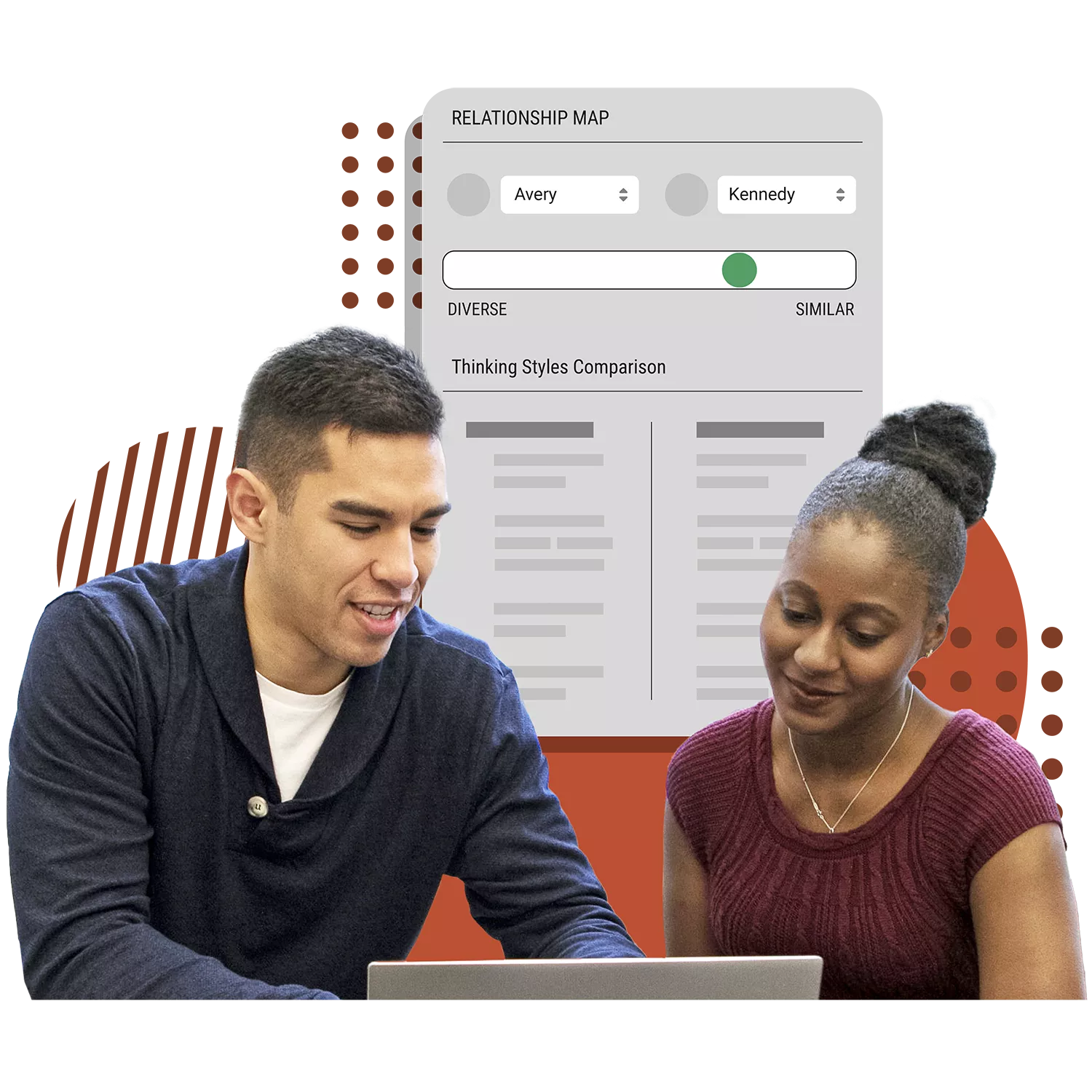
4. Leverage Cloverleaf’s Side-By-Side Thinking Comparison Tool
Utilizing the power of Cloverleaf’s Thinking Comparison tool gives teammates unique insight into their colleagues’ diverse thinking styles and motivational drivers, all through the lens of DISC profiles.
Practical Tips and Strategies for Each DISC Type
Explore our comprehensive guide filled with nuanced strategies for each DISC profile. Each section, illustrated with practical scenarios, provides valuable insight on how to optimize feedback delivery and reception to foster growth and efficient communication.
D Types: The Power of Directness and Efficiency
D types value directness, efficiency, and tangible results, which can feel challenging when giving feedback. However, understanding their communication style and preferences can transform this process into a productive, stress-free experience.
Below are several ways leaders can adapt their approach to communicate with D types effectively:
- Adopt a Direct Approach: D types appreciate straight talk. Discuss the current situation, desired outcomes, and actionable steps to achieve these goals. For instance, if you’re giving feedback to a ‘D’ type salesperson falling behind their quota, emphasize the key points succinctly and directly.
Emphasize Results: D types are results-oriented. When discussing their performance, focus on concrete data and facts rather than emotions or personal opinions. This helps them understand their standing and motivates them to improve.
Promote Independence: Give D types as much independence as possible to achieve their desired outcomes. Respect their abilities and encourage them to devise an action plan, harnessing their pioneering spirit.
Maintain Clarity: D types appreciate clearly defined boundaries, time limits, and resources. Clarity helps them operate efficiently and productively.
Prepare for Energy: It’s common for D types to respond with high energy. Don’t be overwhelmed. Stay strong, clear, and calm, offering respectful feedback that empowers them towards improvement.
I Types: Engaging with Enthusiasm and Creativity
Individuals with an ‘I’ profile are known for their enthusiasm, creativity, and sociability. They thrive when feedback is positive and engaging. Understanding how to navigate their preferences can lead to highly productive interactions. Let’s dive into strategies that make feedback more effective for I types:
- Express Positivity: I types appreciate an optimistic approach. When discussing performance issues, highlight the benefits of the desired outcomes and demonstrate confidence in their abilities to meet these goals. For instance, if an ‘I’ type graphic designer’s creations don’t align with the company’s brand image, offer constructive feedback with an emphasis on positivity.
Focus on the Big Picture: I types are big-picture thinkers who appreciate understanding the broader impact of their work. Make sure to connect individual tasks and performance outcomes to the larger team or organizational goals.
Encourage Creativity: Acknowledge their creative abilities and interpersonal skills. I types tend to be innovative and social, so recognizing these traits can help in fostering a positive feedback environment.
Maintain Engagement: Keep the conversation lively and engaging, as I types prefer interactive discussions. However, be prepared to steer the conversation back on track if they start to wander off-topic.
Ensure a Positive Tone: I types respond better to a firm, measured, and positive tone. They’re likely to be more receptive to your feedback if you can deliver it in an upbeat manner.
Set a Clear Timeline: To ensure understanding and accountability, close by agreeing on a timeline for implementing the suggested improvements. This will help ‘I’ types focus their energy and creativity on meeting their performance goals.
S TYPES: Emphasizing Support and Collaboration
- Embrace Patience and Reassurance: S types thrive in situations where they feel reassured and supported. While discussing areas of improvement, do so patiently, ensuring they understand you are critiquing the performance, not the person.
Highlight Their Strengths and Progress: Along with pointing out areas for improvement, acknowledge their strengths and progress, no matter how small. This balanced approach encourages S types and reinforces their sense of value.
Clarity on Expectations: Be clear about your expectations from S types. Ambiguity can create stress for them, so maintain clear, direct communication about goals and performance standards.
Create a Step-by-Step Plan: Guidance can greatly aid S types. Construct a step-by-step improvement plan together, providing them with a clear path to enhancing their performance.
Regular Check-Ins: Conducting regular feedback sessions helps S types feel secure and valued. Regular check-ins demonstrate your commitment to their development and allow for timely recognition of gradual improvements in their performance.
C TYPES: Precision, Accuracy, and Logical Thinking
Engaging in feedback sessions with C types, known for their conscientiousness, logical thinking, and accuracy, can be greatly enhanced by understanding their preferences. Below are some key strategies that will make your feedback sessions with C types more effective and productive:
- Precision is Key: C types value precise, specific feedback. If you’re discussing a ‘C’ type accountant’s errors in financial reports, make sure your feedback pinpoints the exact mistakes, elucidates their impact, and provides clear guidelines for correction.
Emphasize Facts and Details: Stick to a factual discussion focusing on the current results and the necessary improvements. Provide evidence or examples when necessary, as C types appreciate the meticulous analysis of situations.
Allow Time for Planning: After providing your feedback, give them time to process the information and develop a plan for achieving the desired outcomes. They prefer to take time to think things through.
Establish Clear Deadlines: Agree on a specific time frame for performance improvement, including a final deadline and milestones for reviewing progress. Firm deadlines give them a clear goal to work towards and ensure accountability.
Recognize their Competence: Whether in private or through email, recognize their hard work, precision, or competence. Positive reinforcement goes a long way in motivating C types to continuously improve.
Mastering the Art of Receiving Feedback Using DISC
Receiving feedback constructively requires self-awareness of your own DISC type. Understanding your communication preferences can help you interpret feedback from a new perspective and take action accordingly. This understanding fosters an environment of regular and real-time feedback, aiding in personal development.
Conclusion
Understanding and applying DISC profiles in the workplace can revolutionize the feedback process, transforming it from a potential point of conflict to a tool for growth and improvement. Remember to share feedback regularly and always maintain the right way of communication according to the DISC type.
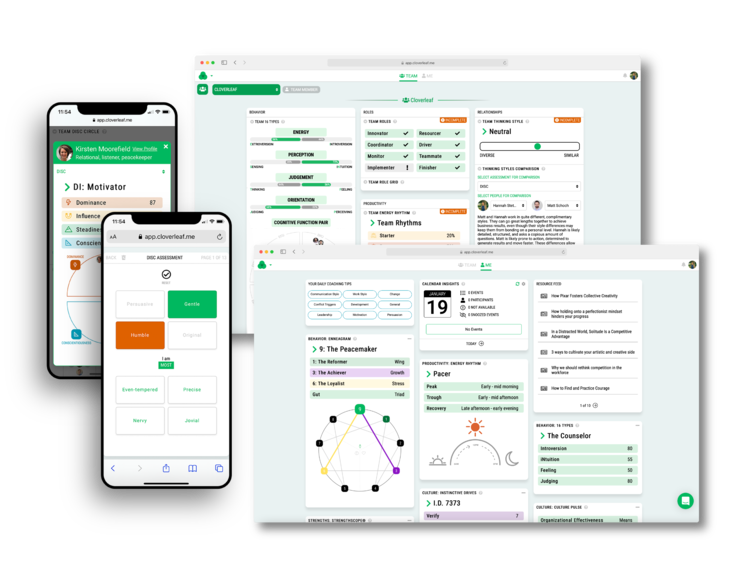
Leveraging platforms like Cloverleaf can help you foster better understanding and synergy in your team’s interactions, accelerating conflict resolution and fostering a stronger, more cohesive unit.
Visibility into the communication styles, work approaches, and intentions of colleagues can significantly bolster team cohesion, and improve collaboration, impacting organizational effectiveness.
Schedule a meeting today to learn how Cloverleaf can help you develop the leaders who manage teams.
Personality tests for employees can reveal insights into unique traits and work styles that can be invaluable for building culture and collaboration. Some critics argue that these tests may oversimplify complex human behavior, lack reliability, and validity, and suffer from self-report bias.They also raise concerns about potential stereotyping, pigeonholing, and limited growth opportunities that might arise from assigning individuals to personality types.
At Cloverleaf, we believe personality tests can be tremendous sources of data and learning that can be used to significantly improve workplace performance. The way organizations use these assessments is evolving; dynamic data usage and continuous refinement make personality tests more actionable and insightful than ever before.Ever since their inception, assessments have been a static, one-time experience. Meaning users complete a list of predefined questions that translate into a final score that lives on in perpetuity… Thanks to automation, asking additional assessment questions over time is becoming feasible. Assessments can be refined as users engage in additional contexts, such as interactions with specific colleagues or while dealing with certain challenges. – Scott Dust, Forbes Council Member
A balanced approach to tests, while considering their limitations, considers the valuable insights into employees’ strengths, motivations, and preferences. Understanding an employee’s personality inventory can help ensure they are in roles that are an ideal job fit. For example, a more introverted person who doesn’t like speaking in public will most likely not get a job that requires them to do so. Having the right personality for the job or organization will result in a better job fit and bring many benefits—including reduced turnover. – peopledynamics.co
By tapping into the power of behavioral and strength assessments, managers and coworkers can develop more understanding about each other, strengthen collaboration, and reduce conflicts. Embracing assessment tools in the workplace can ultimately lead to a more successful organization and unlock your team’s full potential.
Key Takeaways:
-
Assessment tools can provide profound insight to build understanding, strengthen collaboration, reduce conflicts, and unlock team potential for a more successful organization.
-
When selecting assessment tools for employees, leaders must consider relevance, validity, ease of use, and ways to make the insights actionable.
-
Leaders can use personality assessment to identify employees’ strengths, motivations, and preferences to strengthen organizational performance.
-
The basic practice of “treat others how they want to be treated” can help team members to feel heard, seen, and valued.
5 Personality Tests For Employees That Improve Teamwork
Teamwork can make work fun, but to get there, team members truly need to understand each other. Personality tests can bridge the gap that often exists between different personality types. People are complicated, each with their own unique ways of thinking and doing. Think of these assessments as the roadmap to navigating the diverse landscape of your team, highlighting the best paths for collaboration and identifying potential roadblocks.
We’re often asked which personality tests are best for the workplace, and we like to start with these five because of the unique insights each one provides. When combined, these layered insights create a comprehensive understanding of each individual and the dynamics that exist within a team.
The five we recommend starting with are:
16 Types
DISC
Enneagram
CliftonStrengths®
VIA
16 Types (MBTI)
The Myers-Briggs Type Indicator (MBTI) categorizes individuals into 16 distinct personality types based on preferences in four areas: Introversion/Extraversion, Sensing/Intuition, Thinking/Feeling, and Judging/Perceiving. Developed by Isabel Briggs Myers and Katharine Cook Briggs, this assessment draws from Carl Jung’s theory of psychological types. It’s invaluable for understanding how individuals consume information, learn, and reach conclusions.
Learn About The 16-Types Assessment
Key Benefits
The MBTI reveals how team members prefer to process information and make decisions. It highlights their mental habits and decision-making engines, offering a deeper understanding of their intrinsic motivations. By recognizing these habits, leaders can create buy-in, minimize miscommunication, and build trust within their teams.
Use Cases
Individual Growth: Helps individuals uncover their unique cognitive preferences, empowering them to understand how they best process information and make decisions. This self-awareness allows them to leverage their strengths, develop more effective strategies for personal growth, and increase their job satisfaction.
Team Dynamics: Enhances team dynamics by revealing the diverse thinking and communication styles within the group. By understanding these differences, teams can reduce friction, foster mutual respect, and collaborate more effectively, leading to a more cohesive and harmonious working environment.
Leadership Development: Enables leaders to tailor their management style to align with each team member’s natural preferences. By adapting their approach, leaders can boost engagement and productivity, creating an environment where everyone feels valued and understood. This empathetic leadership fosters a motivated and high-performing team.
Disc
DISC is a quick and easy-to-remember assessment that measures four traits: Dominance, Influence, Steadiness, and Conscientiousness. By observing your team’s communication styles and level of activity in conversations, you can better understand their needs and motivations. Adjusting your approach based on their DISC profile can improve collaboration and productivity.
Key Benefits
DISC helps teams quickly recognize how each member communicates, responds to challenges, and influences others. By observing these traits, leaders can better grasp the underlying motivations and needs of their team members.
Use Cases
Individual Growth: Provides individuals with insights into their behavioral tendencies, helping them understand how they interact with others and respond to various situations. This awareness allows them to improve their interpersonal skills and adapt their behavior to different contexts, enhancing their overall effectiveness.
Team Dynamics: Improves team communication by identifying the different behavioral styles within the group. By understanding these styles, teams can tailor their interactions to be more effective, reducing misunderstandings and strengthen collaboration.
Leadership Development: Helps leaders manage their teams more effectively by understanding each member’s behavioral style. Leaders can use this insight to tailor their communication and management strategies, ensuring they meet each individual’s needs. This leads to a more engaged and productive team, with members who feel understood and supported.
enneagram
The Enneagram is a versatile assessment that identifies nine distinct personality types, each with unique emotional drives and perspectives. It serves as a lens for understanding socio-emotional motivators, providing deep insights into why individuals behave differently when pursuing the same goals or facing the same challenges.
Key Benefits
The Enneagram helps teams understand the core motivations driving each member’s behavior, promoting empathy and reducing conflicts. It reveals why individuals behave differently under similar circumstances and offers valuable insights into group dynamics, decision-making environments, and conflict resolution.
Use Cases
Individual Growth: Provides deep insights into an individual’s core motivations and emotional drivers. This understanding allows individuals to recognize their strengths and areas for growth, fostering greater self-awareness and personal development. It helps them navigate their behaviors and relationships more effectively.
Team Dynamics: Enhances team dynamics by promoting empathy and understanding among team members. By recognizing the different motivations and perspectives within the team, members can better appreciate each other’s contributions and work together more harmoniously.
Leadership Development: Equips leaders with a profound understanding of their team members’ core motivations. This insight allows leaders to address conflicts and challenges with empathy and precision, creating a more harmonious and productive workplace. Leaders can tailor their approach to meet the emotional needs of their team, fostering a more engaged and committed workforce.
Cliftonstrengths®
Strengths-based assessments, such as CliftonStrengths®, Strengthscope, or VIA, help individuals tap into their innate talents and abilities. Unlike traditional personality assessments, strength-based assessments focus on what people naturally do best, helping them to understand and develop their innate abilities. By leveraging these strengths, individuals can enhance their performance, engagement, and overall satisfaction at work.
Key Benefits
CliftonStrengths® reveals individuals’ natural talents, providing a roadmap for personal and professional growth. It helps employees recognize what energizes them and how to apply their strengths to achieve their goals. Understanding these talents allows for more effective teamwork and leadership.
Use Cases
Individual Growth: Helps individuals identify and develop their innate talents, turning them into strengths. This focus on what they naturally do best can boost their confidence and engagement, leading to higher job satisfaction and personal growth.
Team Dynamics: Enhances team dynamics by helping members understand and appreciate each other’s unique strengths. By leveraging these strengths, teams can collaborate more effectively, fill gaps, and achieve better results.
Leadership Development: Empower leaders to build a strengths-based culture within their teams. By focusing on each team member’s strengths, leaders can enhance engagement and performance, creating a motivated and high-performing team. This approach helps leaders bring out the best in their team, driving success and satisfaction.
via
The VIA (Values in Action) Strengths assessment is a tool that measures an individual’s character strengths, focusing on 24 unique qualities organized under six core virtues: wisdom, courage, humanity, justice, temperance, and transcendence. By identifying these strengths, the VIA assessment helps individuals recognize and utilize their innate qualities to contribute effectively to their personal and professional lives.
Key Benefits
The VIA assessment enhances personal fulfillment and well-being by helping individuals understand and leverage their core character strengths. This deeper self-awareness not only boosts individual confidence but also promotes a collaborative and supportive team environment where everyone’s unique qualities are valued and utilized.
Use Cases
Individual Growth: Empower individuals by providing deep insights into their core character strengths, such as wisdom, courage, and humanity. This self-awareness can increase confidence and well-being to enable employees to align their actions with their values and achieve greater personal fulfillment. By focusing on their unique strengths, individuals can navigate their career paths more effectively and find greater satisfaction in their roles.
Team Dynamics: When team members recognize and value each other’s unique character strengths, they build stronger, more supportive relationships. This positive environment encourages collaboration and mutual respect, which can improve team performance and support a cohesive working atmosphere.
Leadership Development: Providing leaders with understanding can help them create a healthy culture. By aligning team roles with individual strengths, leaders can boost morale and productivity to build a more engaged and committed team. Leaders can leverage these strengths to address challenges effectively and inspire their teams to achieve common goals.
Overview: Different Personality Assessments Reveal Different Things About Employees
Selecting personality tests for employees is a powerful way to unlock your team’s full potential and create a thriving culture. By understanding each team member’s unique strengths, motivations, and work preferences, you can inspire collaboration, minimize conflicts, and ensure that tasks are assigned in a way that maximizes performance and job satisfaction.
16 Types (MBTI) offer insight into how employees process information, learn, and make decisions. By understanding how an individual’s brain works, managers can effectively assign tasks and optimize workplace dynamics.
DISC Assessment: Focused on observable behavior, DISC identifies distinct work styles, making it invaluable for managers to understand and support their employees. It’s beneficial when time is limited and a quick evaluation is needed.
Enneagram: This assessment delves into the underlying motivations that drive an individual’s behavior. By comprehending these driving forces, managers can tap into their employees’ strengths and provide tailored support, leading to improved performance and job satisfaction.
Strengths Assessments: These identify employees’ unique talents that, when developed, result in exceptional performance. Recognizing and leveraging these strengths can help employees excel with less effort, ultimately benefiting the entire team.
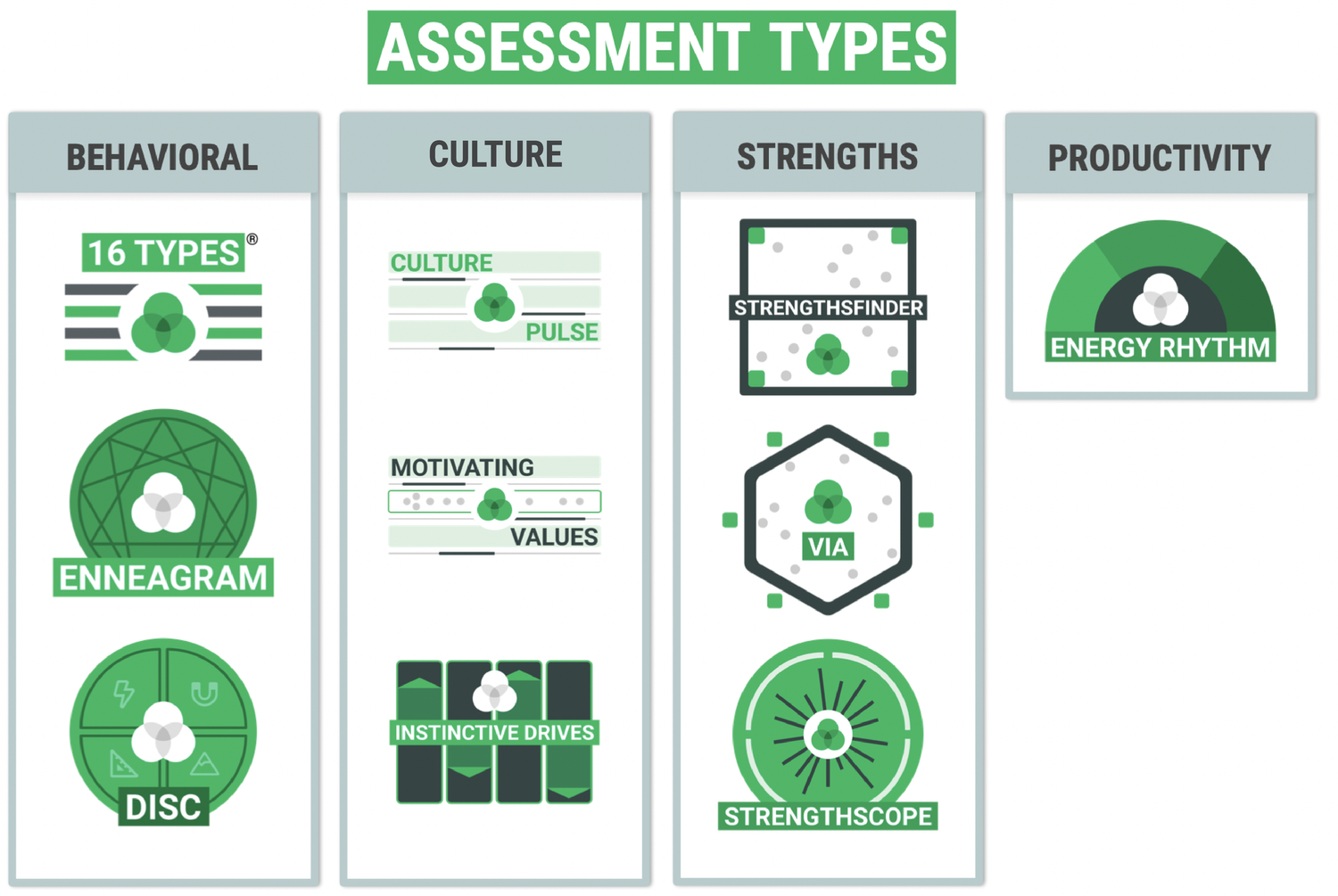
Cloverleaf offers a range of assessments, including free options. We recommend starting with 16 types, DISC, Enneagram, and strengths assessments. These can provide valuable insights into team strengths and opportunities for growth. Click here to start a free trial or take a test.
Do Want A Team That understands Each Other?
Introduce them to some of our assessments and experience automated coaching to learn something new about yourself and your team.
- Unlock your team's full potential and try Cloverleaf today.
How To Use Behavior Assessments To Coach People At Work
Using personality assessments with employees can provide invaluable insights into individual strengths, communication styles, and areas for growth. Learn how Cloverleaf integrates the insight and learning from behavioral and strengths assessments into your daily workflow to deliver personalized and actionable coaching tips in real-time.
How To Increase The Value Of Your Assessment Strategy With Automated Coaching
When deciding which personality tests to use with your team, consider the following factors to ensure you maximize their value:
-
Relevance to the workplace: Choose assessments focusing on traits directly impacting work performance and collaboration. With Cloverleaf, these insights are integrated into daily workflows, making the relevance even more apparent.
-
Validity and reliability: Opt for tests with strong scientific backing to ensure accurate and consistent results. Cloverleaf uses behavioral and strength-based assessments with reliable data that drive meaningful development.
-
Ease of use and interpretation: A good test should be easy to administer and understand. This helps individuals quickly apply the insights they gain to their everyday work interactions. Cloverleaf’s Automated Coaching™ simplifies this process, offering intuitive dashboards and personalized feedback that helps individuals quickly apply insights to their everyday work interactions.
-
Actionable insights: The best test results provide practical recommendations for improving communication, collaboration, and team performance. With Cloverleaf, these insights don’t just sit in a report—they come to life through ongoing, contextual coaching tips delivered directly within your team’s workflow tools.
Assessments
Validated behavioral and strength-based assessments you’re probably already using.

Insight search
Ask questions about yourself and teammates to get strategies specific to your context.

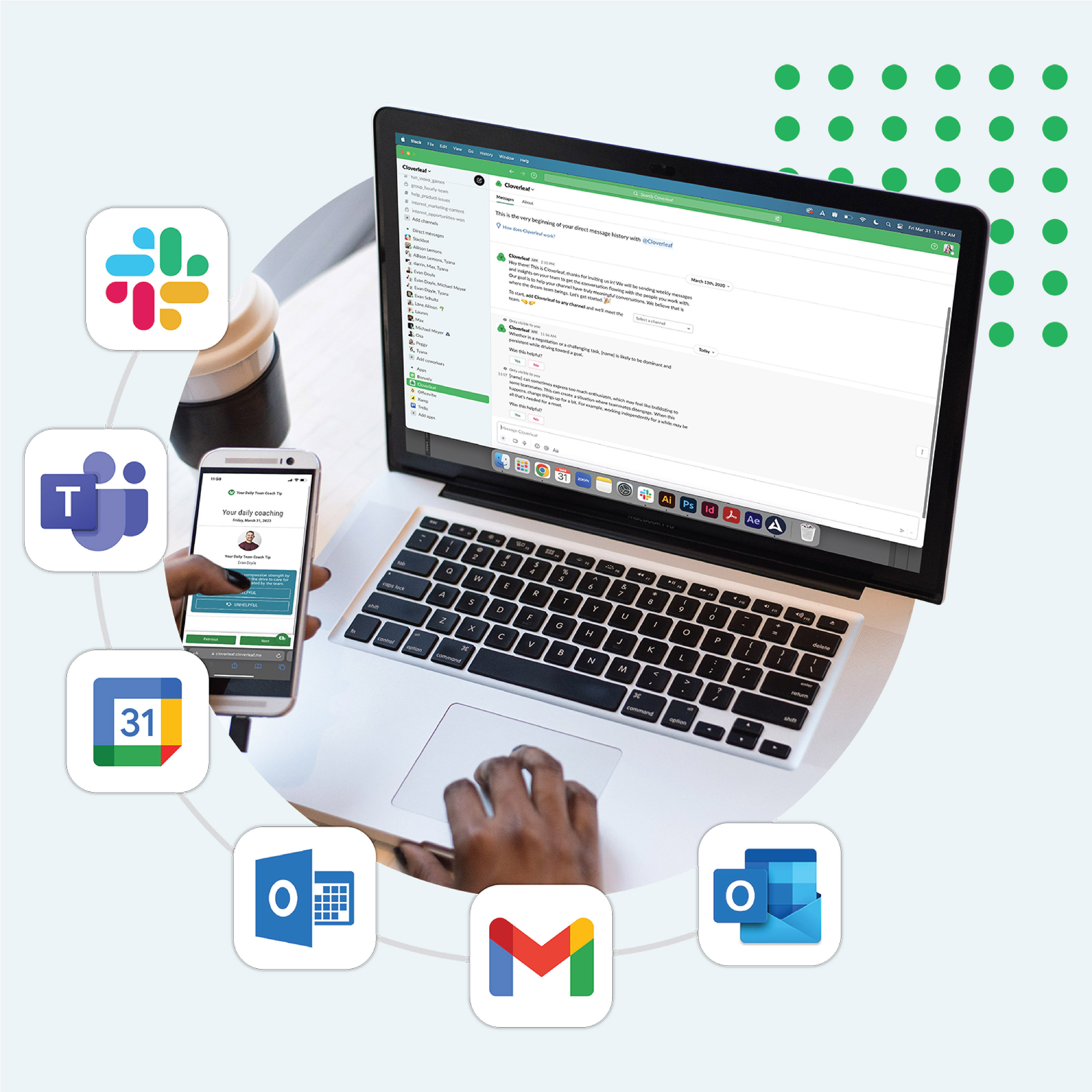
Coaching Tips
Effortlessly receive timely, actionable coaching nudged into your tools every day.
Reflections
Personalized prompts to spark introspection for application and growth.

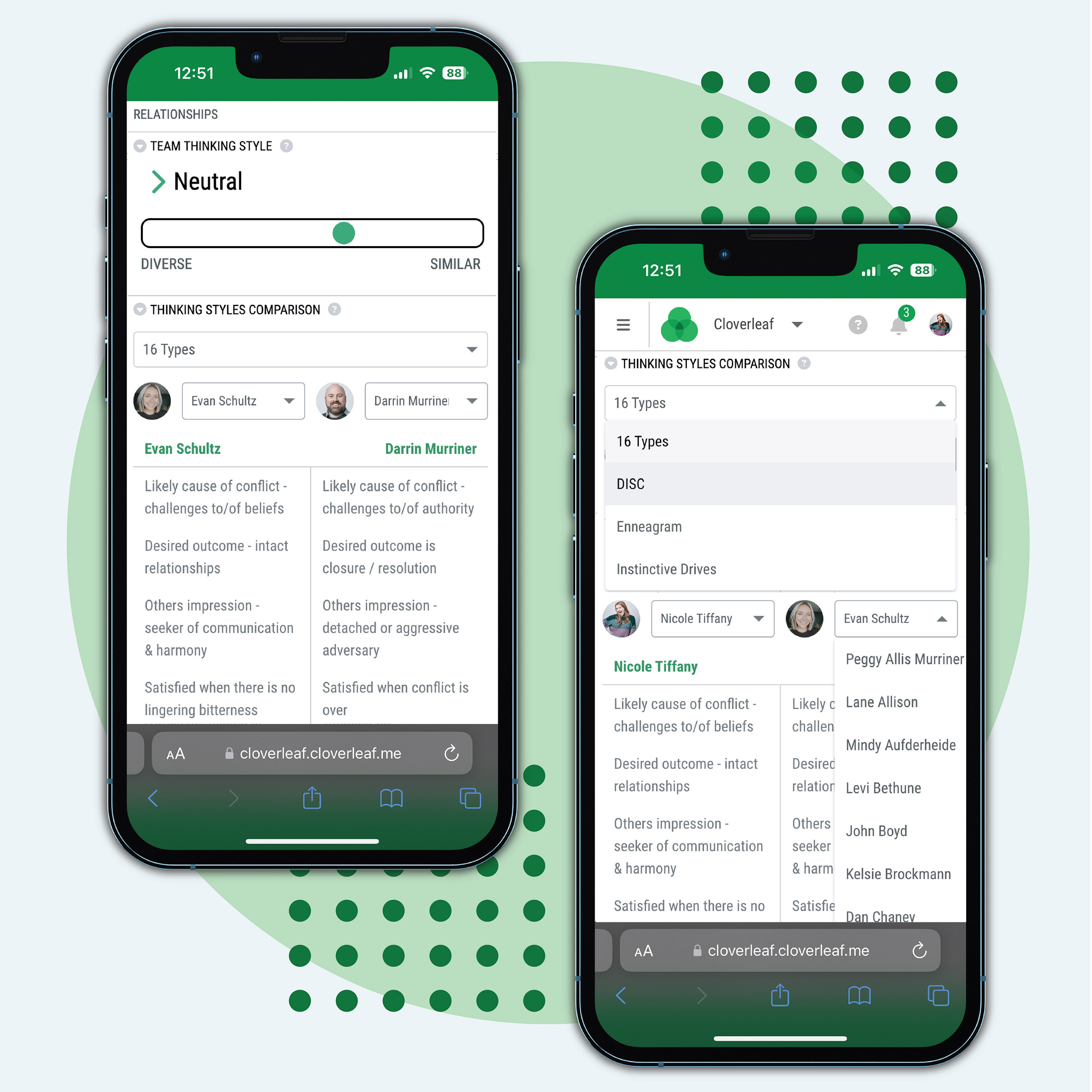
Side-by-Side Comparisons
Reveal similarities and differences among team members to improve collaboration.
Team Dashboard
A comprehensive view of your team’s behaviors, strengths, and areas to develop.

Why Use Personality Tests Within The Workplace?
The Purpose of Personality Tests For Employees
Ideally, personality tests help organizations provide a common language, improve communication, reduce tension, reveal strengths and weaknesses, and identify growth opportunities. With Cloverleaf’s Automated Coaching™, these benefits are not just theoretical—they become a dynamic part of your team’s everyday interactions.
When employees understand their personality traits and those of their teammates, they can approach each other more effectively. This can transform potentially tense situations into constructive conversations. Cloverleaf brings these insights to life by delivering personalized coaching tips that guide employees on how to interact based on real-time contexts and the people they will interact with that day.
Assessments are tools for personal and professional development. They help individuals understand themselves, manage their behavior, and learn how to adjust their communication style according to their teammates’ preferences. Cloverleaf ensures these insights are continuously reinforced through ongoing coaching, making personal and professional growth a daily practice.
8 Benefits of Personality Assessments in the Workplace
-
Increase Communication: Personality assessments can build self and other awareness. This understanding helps people express their needs more clearly and work more effectively towards shared goals. Improved communication leads to fewer misunderstandings and smoother interactions, creating a more cohesive team environment.
-
Encourage Collaboration: Teams can more easily collaborate by understanding each team member’s unique strengths, motivations, and communication styles. When team members appreciate each other’s contributions, they can work together more effectively, leveraging diverse perspectives to achieve common goals.
-
Personal and professional development: Self-awareness gained from personality assessments can be a catalyst for personal and professional growth. Individuals can identify their strengths and areas for improvement and set goals that align with their natural talents and preferences.
-
Psychological safety: When team members feel understood and can communicate in their most natural state, they experience a higher level of psychological safety. This safe environment encourages open dialogue, innovation, and risk-taking, which are essential for a thriving workplace.
-
Strengthen Trust: Understanding each other’s personalities and motivations helps build stronger relationships and trust within the team. When team members know what drives their colleagues, they can empathize with different perspectives and build a more supportive and cohesive environment.
-
Boost Productivity: Teams can enhance productivity and performance by leveraging each person’s strengths and adapting communication styles to their needs. When individuals work in ways that align with their natural abilities, they are more efficient and effective, driving better results for the organization.
-
Employee Satisfaction: Encouraging individuals to utilize their strengths and align their work with their passions leads to higher job satisfaction and engagement. When employees feel valued for their unique contributions, they are more likely to be motivated and committed to their work, resulting in increased retention and a more positive workplace atmosphere.
-
Team Building: Understanding each person’s motivations and strengths helps create more balanced and effective teams. Managers can assign tasks that align with each member’s skills, recognizing and leveraging individual talents to optimize team performance. This ongoing process ensures that teams remain dynamic and adaptable to changing needs.
Automated Coaching™ ensures your team experiences these benefits to the fullest by turning static assessment data into dynamic, ongoing development tools. Automated Coaching™ integrates personality insights into daily workflows, providing real-time, personalized coaching tips that help individuals and teams continuously grow and adapt. By layering insights from multiple assessments, Cloverleaf offers a comprehensive view of each team member, enhancing communication, collaboration, and productivity. This continuous support ensures that the benefits of personality assessments are not just realized once but are reinforced and expanded over time, creating a more engaged, effective, and satisfied workforce.
It turns out the golden rule of “treat others how you want to be treated” can be taken a step further in the workplace. Instead, strive to “treat others how they want to be treated” to improve communication, strengthen relationships, and increase team effectiveness.
Personality Tests Help You Take The Golden Rule A Step Further
It turns out the golden rule of “treat others how you want to be treated” can be taken a step further in the workplace. Instead, strive to “treat others how they want to be treated” to improve communication, strengthen relationships, and increase team effectiveness.
Understanding your team members and the dynamics of your work environment is crucial for moving from self-awareness to successful collaboration. By recognizing that different situations may require you to adapt your natural tendencies—whether it’s being more urgent in communication, asking more questions, or carefully choosing your words when giving feedback—you can significantly enhance team collaboration.
Making these minor adjustments, where you invest extra energy to adapt to your teammates’ needs or the context of the situation, is part of personal development and self-management. The ultimate goal of providing personality tests for employees is to help them better understand themselves, their team, and their environment and manage their behaviors, expectations, and actions accordingly. This approach ensures the most positive and productive outcomes for both their team and themselves.
Recognizing your unique strengths and choosing to act differently out of kindness, generosity, collaboration, and the desire to achieve more can make you more effective and help you thrive both at work and in your personal life. Personality assessments are powerful tools that provide insight into these strengths and areas for growth, enabling you to make informed decisions and achieve desired outcomes.
Assessments are tools for understanding all your options, enabling you to make the best choices and achieve the desired outcomes. By increasing emotional intelligence, you can unlock your full potential and become a more effective leader, teammate, and individual. Cloverleaf’s Automated Coaching™ enhances these insights, transforming them from static data into dynamic, ongoing development tools. Integrated into your daily workflow, Cloverleaf’s coaching tips and personalized advice help you and your team continuously grow and adapt to become more engaged, collaborative, and high-performing.
Want To Use Personality Tests To Scale Development?
Find Out How To Quickly:
- Close the gap between learning and on-the-job application
- Personalize growth to individual strengths and needs
- Integrate learning so it is actually in the flow of work
- Develop human skills fast enough to solve business problems
- Prove the ROI of your development programs
TL;DR:
Already know your DISC type? This guide walks through practical ways to use DISC in the workplace—improving communication, running better meetings, and aligning work styles. Use it to enhance collaboration and reduce team friction.
Already familiar with your DISC profile—but unsure how to use it day-to-day at work? You’re not alone. Many professionals understand the basics of Dominance, Influence, Steadiness, and Conscientiousness, but struggle to translate that into action with their teams.
This guide is designed for those ready to move beyond awareness and into application. You’ll learn how to:
👉 Communicate more effectively with each DISC type
👉 Run more inclusive meetings
👉 Align work and roles to team members’ behavioral strengths
Whether you’re a team leader or an individual contributor, this article will help you put DISC to work in real-world workplace scenarios.
What Are the Benefits of Applying DISC at Work?
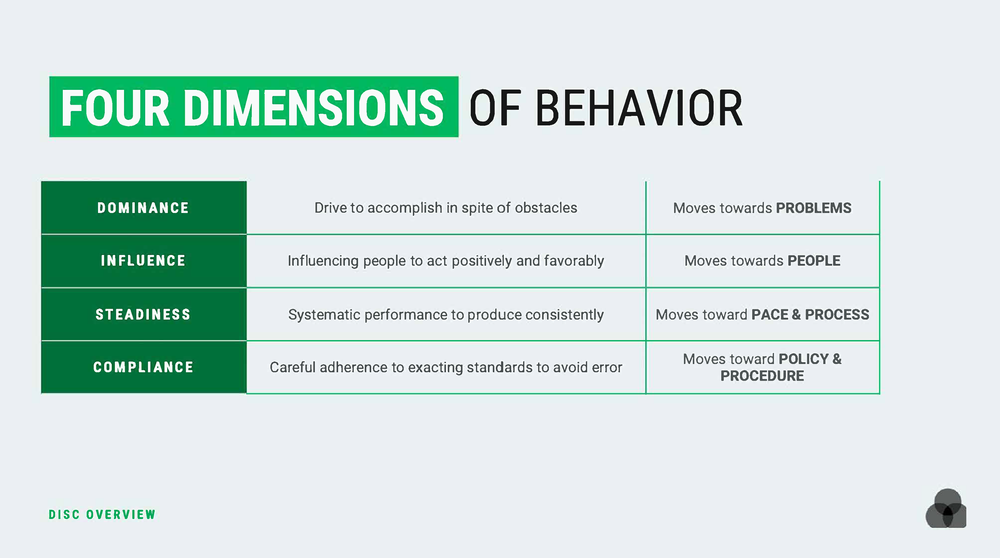
Incorporating DISC into the workplace can improve communication, giving and receiving feedback, and conflict resolution to enhance team performance. Managers can create a more cohesive and effective team by understanding each person’s motivational tendencies, communication styles, and cognitive diversity.
✅ Understanding Motivational Tendencies
One of the primary benefits of using DISC in the workplace is its ability to provide information about the motivational tendencies of individuals. For example, individuals with high Steadiness scores may value cooperation and sincerity, while those with higher Dominance scores may prioritize pushing towards goals and outcomes. Understanding these tendencies can help managers better motivate and engage members of the team.
✅ Enhancing Communication
DISC scores can also provide insights into effectively communicating with others. For instance, a team with a disproportionate number of high Dominance scores may create an environment where those with higher Steadiness or Compliance scores do not feel comfortable contributing ideas. Managers can create a more inclusive and productive environment by understanding different communication styles.
✅ Depersonalizing Conflict
DISC can also help depersonalize conflict by providing a common communication language for a team. For example, using a team dashboard to display aggregate DISC results can help team members better understand each other’s conflict management styles and triggers. This can lead to developing a “conflict contract” that establishes group norms for dealing with conflict and helps generate team buy-in.
✅ Capitalizing on Cognitive Diversity
Studies have shown that teams with higher cognitive diversity produce better outcomes. DISC can help teams understand their level of cognitive diversity and how to harness it to improve outcomes. Using the team DISC wheel, managers can see where the team lacks certain styles or where a member may play a critical role in achieving team goals.
✅ Defining the Right Roles
DISC can help managers better understand how team members fit into their roles. Managers can create a more productive and engaged team using DISC to match individuals with roles that align with their behavioral patterns. Assigning tasks that conflict with their natural style may lead to burnout or turnover.
🧠 Related Resource: Talent Development In The Age of AI
Want to scale coaching and personality insights across your organization—without burning out your HR team?
👇 Get the Playbook: A practical guide to developing human skills at scale using automation and behavioral science.
Talent Development In The Age Of AI Playbook
Get a practical guide to scale human skill development across your org, without the usual friction.
Dominance (D): How to Lead and Motivate D Types
Dominance: Balancing Drive with Team Dynamics
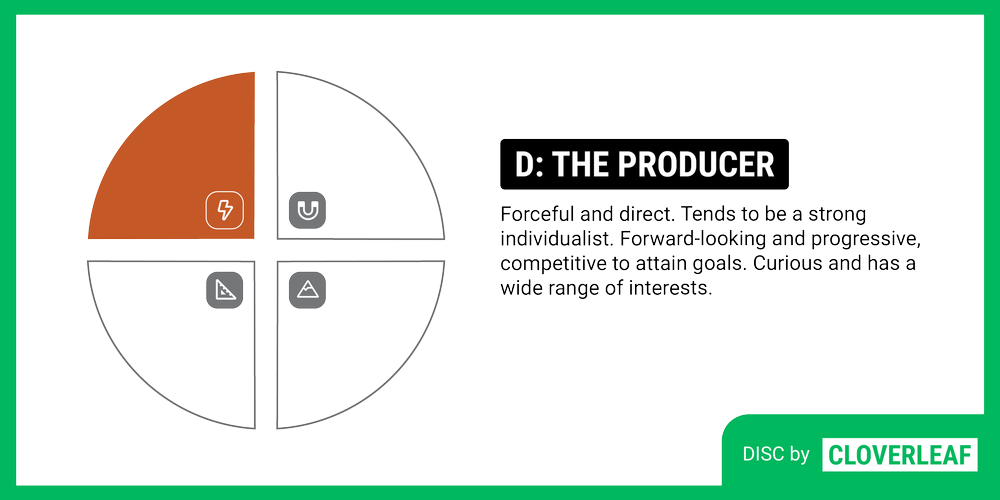
The D in DISC stands for Dominance, which characterizes driven, goal-oriented, and assertive individuals. They are natural leaders who seek control and authority, viewing them as positive qualities. However, in their quest for success, D types may prioritize tasks and outcomes over the well-being and contributions of their co-workers.
High-D individuals must balance their drive for achievement with understanding how their actions affect their team dynamics. Overly focusing on tasks can dismiss the importance of building relationships and collaborating. This can ultimately hinder team success and create a hostile work environment.
Leaders with high-D traits can motivate their team towards a shared goal while creating a culture of openness, respect, and trust. By balancing their dominant nature with empathy and consideration for others, they can harness their strengths to achieve success for the team.
Influence (I): How to Collaborate With High-I Teammates
Influence: Harnessing Energy for Collaborative Success
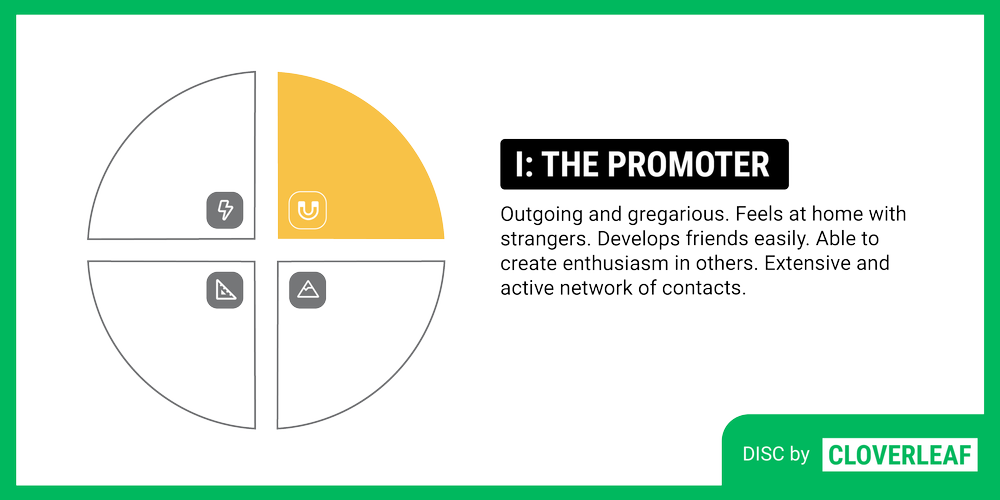
“I” stands for Influence in the DISC model, representing individuals prioritizing social interaction and relationship-building. I types are energized by being around people and are drawn to change, seeing it as a positive force that can bring about new opportunities. They excel at connecting with others, using their charisma and personal skills to generate enthusiasm and excitement.
One potential downside of the I style is that their enthusiasm and love of variety can sometimes lead to impulsiveness and distractibility. They may lose sight of the end goal or become disorganized in pursuing new experiences. As a result, it can be helpful for Is to work with someone who can provide structure and help keep them focused on the task at hand.
Influencing types bring a valuable perspective to teams, and their ability to build relationships and generate excitement can help keep teams motivated and engaged. By understanding their strengths and potential pitfalls, Is can use their skills to benefit their team and the organization.
Steadiness (S): Creating Harmony With High-S Employees
Steadiness: Fostering Team Harmony and Collaboration
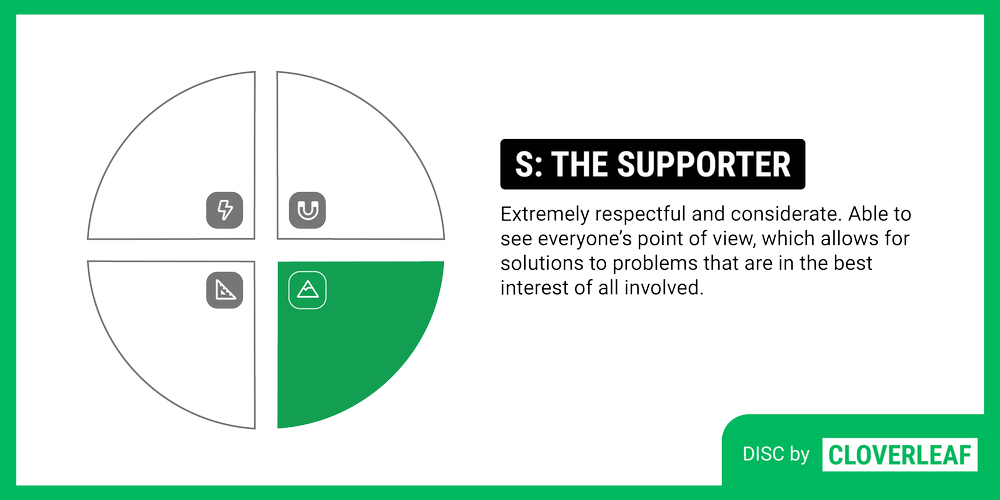
These individuals are team players who prioritize a harmonious and inclusive team culture. They value stability and seek to create that for their team.
Others often consider them to be great listeners and have supportive teammates. They don’t like change or conflict and rarely initiate it, even if it costs them. It’s also essential to include them in any team decisions, give them ample notice if any changes need to be made, and seek their opinions.
S-Types like to ensure everyone is heard and foster a strong sense of connection among teammates. By understanding and leveraging the strengths of the S style, you can create a positive and supportive team environment.
Conscientiousness (C): Supporting High-C Work Styles
Conscientiousness: Leveraging Attention to Detail for Team Success
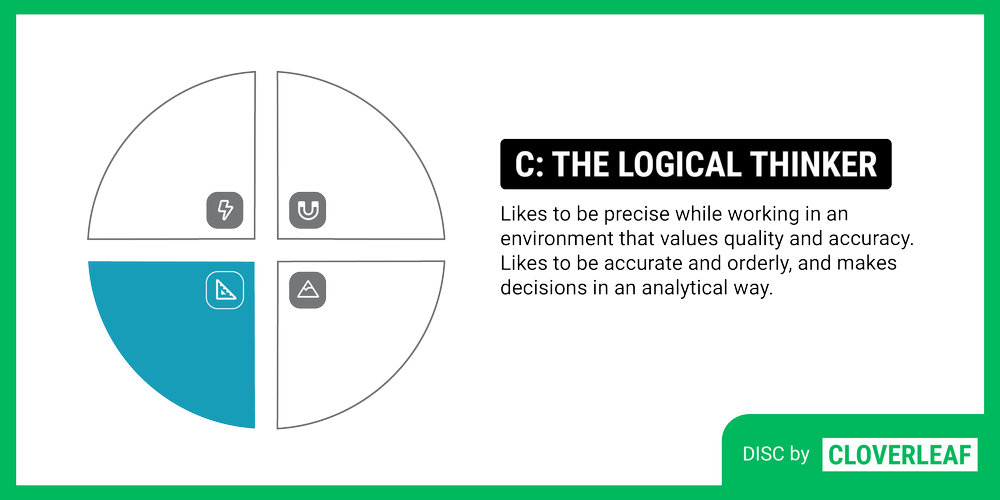
The letter C represents traits that value a high focus on details and a desire for excellence. Individuals with this personality type are motivated to deliver quality work and are experts in their area of work. They hold themselves and their team to high standards and seek feedback to ensure their work meets expectations.
While conscientious individuals bring value to a team, they can find it stressful when faced with last-minute changes or rushed schedules. It’s important to give them adequate notice and allow them to work independently. They appreciate regular feedback but must be presented with kindness, as they can be sensitive to criticism.
These individuals thrive when given tasks that require attention to detail and expertise. They don’t need much collaboration or social interaction and may prefer to work from a private office or home. You can maximize their contribution to the team’s success by recognizing and leveraging their strengths.
How To Apply DISC With Your Team
The DISC circle illustrates how individuals with different personality types respond to change differently.
How DISC Styles Respond to Change at Work
The top of the circle represents the Ds and Is, who are drawn to change and view it as a positive force that can help them achieve their goals. In contrast, the Ss and Cs at the bottom of the circle are change-averse and can perceive change as an opposing force that may impede their effectiveness. They fear that chaos may arise in the team due to change.
Which DISC Types Are People-Oriented vs. Task-Oriented?
The DISC model further categorizes individuals into two groups based on their preference for people or task-oriented work. Those on the I and S side are drawn to people, collaboration, and service, and those on the D and C sides are attracted to tasks, execution, and accomplishment.
Effective Communication Strategies For Each DISC Type
The way people communicate also varies based on their place in the circle. Ds prioritize clarity over diplomacy and may come across as blunt, while Is focus on building relationships and connection.
Ss prioritize harmony and use soft-spoken, affirming communication, making direct communication difficult. Cs prioritize clear communication based on data and have a black-and-white approach to good and bad.
It’s helpful to slow down and use a measured approach when speaking to Ss and Cs, especially when giving feedback or asking for information. Providing notice and time to synthesize information is crucial for Ss and Cs.
Providing advanced notice about impending changes or project deadlines can help gain buy-in from Cs and Ss. Communicating how changes will benefit the organization or team can help achieve their support.
D and I personality types respond well to direct, confident, and energetic communication. They appreciate clear goals, objectives, and deadlines. When communicating with a D, it’s essential to be clear and concise, avoiding too much detail or ambiguity.
When communicating with an I, it’s important to be enthusiastic and engaging, using stories and anecdotes to keep their attention. They appreciate a more conversational tone and love to be recognized for their contributions.
D and I personality types appreciate a sense of urgency and enthusiasm in communication, and giving them space to express their ideas and opinions is important. They also respond well to visual aids and are more likely to be motivated by positive feedback and recognition than criticism.
How to Use DISC During Team Meetings
During meetings, it’s important to be aware of communication patterns that can reveal someone’s DISC style. The Ds and Is tend to speak up first and express their opinions, while the Ss and Cs may reserve their comments. To ensure all members contribute, set aside time for Ss and Cs to provide feedback and opinions. For example, dedicating the last 15 minutes of the meeting can be effective. Creating a cadence for participation can also encourage involvement.
When Ds and Is lead meetings, ensuring everyone’s voice is heard is essential. They may assume that others will speak up if they have an idea, but encouraging participation is important. Awareness of each DISC type can help create routines that allow for informed decisions and ensure everyone’s voice is heard.
How Does The DISC Assessment Differ From Other Assessments?
The DISC assessment is unique in that it provides a simple, accessible way to understand and categorize behavioral tendencies, which can improve communication, teamwork, and leadership in various contexts. Other assessments may focus on different aspects of an individual’s personality or behavior, such as emotional intelligence, cognitive abilities, values, and motivating factors.
The DISC profile differs from other assessments in focusing specifically on an individual’s response to favorable and unfavorable situations. It measures their tendency toward four behavioral traits: dominance, influence, steadiness, and compliance. DISC provides insight into individual interactions and responses to stress and conflict.
How Cloverleaf Helps You Apply DISC Insights in Real Work Scenarios
DISC profiles aren’t always one-dimensional. Cloverleaf’s assessment and team dashboard reveal the complex interplay between behavioral styles—surfacing combinations and tensions that other tools often overlook.
Cloverleaf’s DISC assessment can reveal conflicting values that individuals may possess. For instance, individuals with a strong I and C may experience conflicting values because they enjoy a fast-paced environment with people and frequent changes from the I. Still, from the C, they also desire consistency.
Some characteristics may present less in individuals because they are self-regulating, which is a superpower. Balancing opposing values is a unique strength, as it allows one to see both sides of an issue.
Those with strengths in opposing quadrants, like IC and DS, have complementary strengths that can benefit a team without a partner or collaborator. This ability to see both sides of the picture can drive external collaboration and build consensus while maintaining attention to detail and striving for excellence.
In contrast, a traditional influence strength may become exhausted with detailed work. Still, someone with a balanced profile can have the energy to dig into the data and make new discoveries.
The rare combination of a high S and D result is present in only 2% of Cloverleaf users. These individuals possess a strong pioneering driver while valuing connection and being highly supportive of their team. They love change, power, and authority but also desire stability and harmony with others.
While some people with this combination may focus their drive inward rather than solely on achieving goals, it’s important to note that there is still a strong desire to move forward.
Key Takeaways: Applying DISC for Better Teamwork
Each quadrant in the DISC profile is driven by particular questions that they find most important.
-
Ds are goal-oriented and prioritize understanding where they’re going and how to get there.
-
Influencers prioritize collaboration, resourcefulness, and the enjoyment of the task.
-
Steadiness drivers want to know how they will execute a task and how it will impact the team’s well-being.
-
Conscientious individuals want to understand the task, including its standards, expectations, and boundaries (such as time, resources, and commitments).
By using DISC in the workplace, you can tailor your communication and approach to meet their unique needs and preferences.
Understanding DISC results and the communication styles of each quadrant can significantly improve your team’s dynamics and productivity. By knowing the questions that each quadrant is interested in, you can communicate more effectively, meet everyone’s needs, and gain their buy-in faster.
Put DISC Into Action With Your Team
You already know your DISC profile—now it’s time to use it to elevate how your team works together.
Cloverleaf helps you apply DISC daily with personalized coaching insights, communication prompts, and team dashboards that reveal how every individual contributes to the whole.
✅ Already know your type?
✅ Want to better collaborate with others?
👉 Explore DISC-Powered Coaching With Cloverleaf
FAQs About Using DISC at Work
Q: How do I use DISC in the workplace if I already know my type?
A: Start by understanding how your style interacts with others on your team. Use DISC to guide conversations, delegate work, and reduce conflict.
Q: What’s the best way to use DISC in team meetings?
A: Set structured time for all styles to contribute. Ds and Is speak up fast—Ss and Cs often need space or prompts.
Q: Can DISC help managers give better feedback?
A: Yes. Tailor your delivery—Ds want directness, Cs want clarity, Is want encouragement, and Ss want support.